
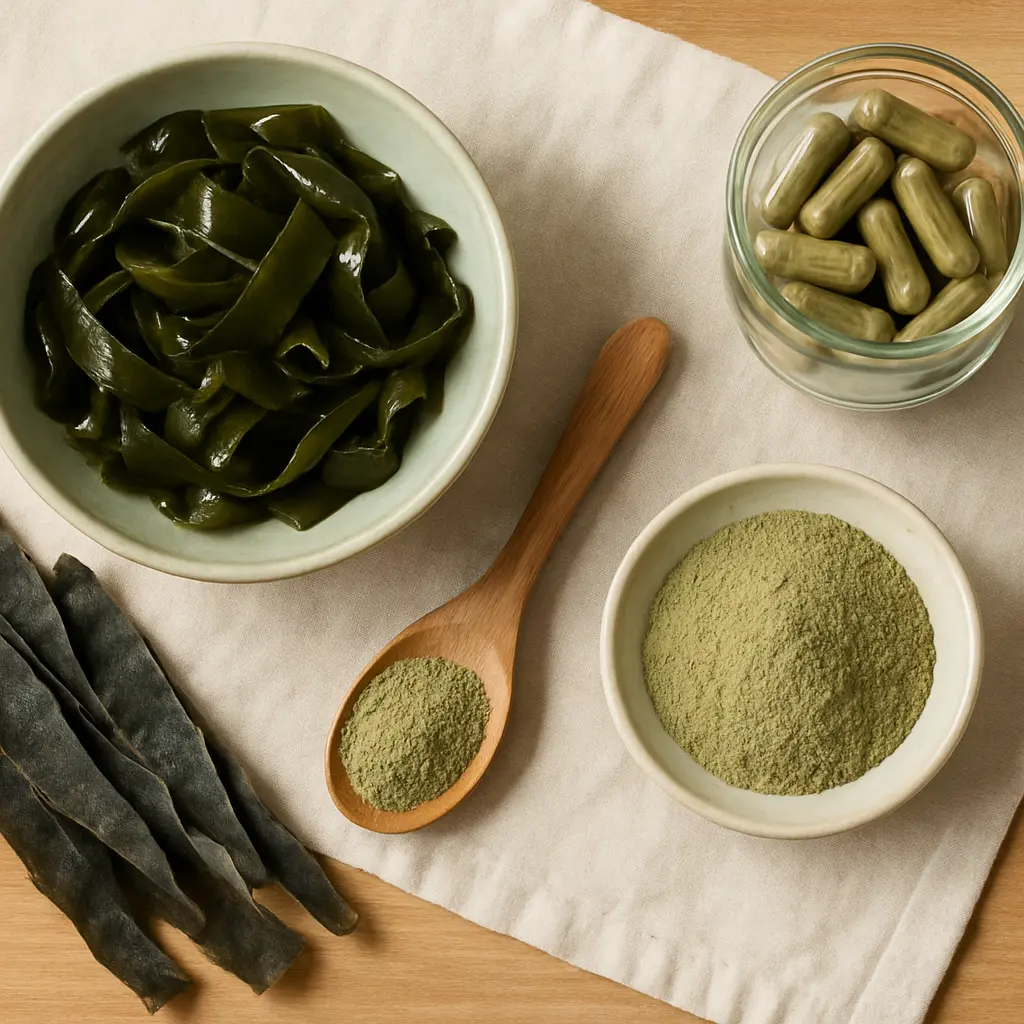
The Multifaceted World of Kelp: A Natural Powerhouse
In this page
Kelp, a group of large brown algae from the family Laminariaceae, holds significant historical and modern relevance due to its diverse applications. Predominantly found in the cold, shallow waters of the Northern Pacific and Atlantic, kelp forests are vital to marine ecosystems and offer a range of benefits from nutritional to environmental. This article delves into the characteristics, benefits, and uses of kelp, while exploring its contemporary applications in biotechnology and sustainable practices. Readers will gain insights into the nutritional profile of kelp, including its rich iodine content, and its role as a sustainable food source.

Scientific Background and General Context
Kelp belongs to the group of macroalgae, often referred to as seaweeds. These species flourish in underwater forests located in shallow parts of the ocean. Historically, kelp has been a staple in the diets and traditions of coastal civilizations, particularly in East Asia and the British Isles. The significance of kelp can be attributed to its complex structure and its role in marine ecosystems, where it serves as a habitat and food source for various marine organisms.Kelp forests are more than just a collection of seaweed; they are dynamic ecosystems that contribute to the regulation of seawater properties. By acting as carbon sinks, kelp forests play a vital role in reducing atmospheric CO2 levels. They also increase dissolved oxygen, which supports diverse marine communities. However, these underwater forests are under threat from climate change and human activities, prompting a global effort to protect and restore them.
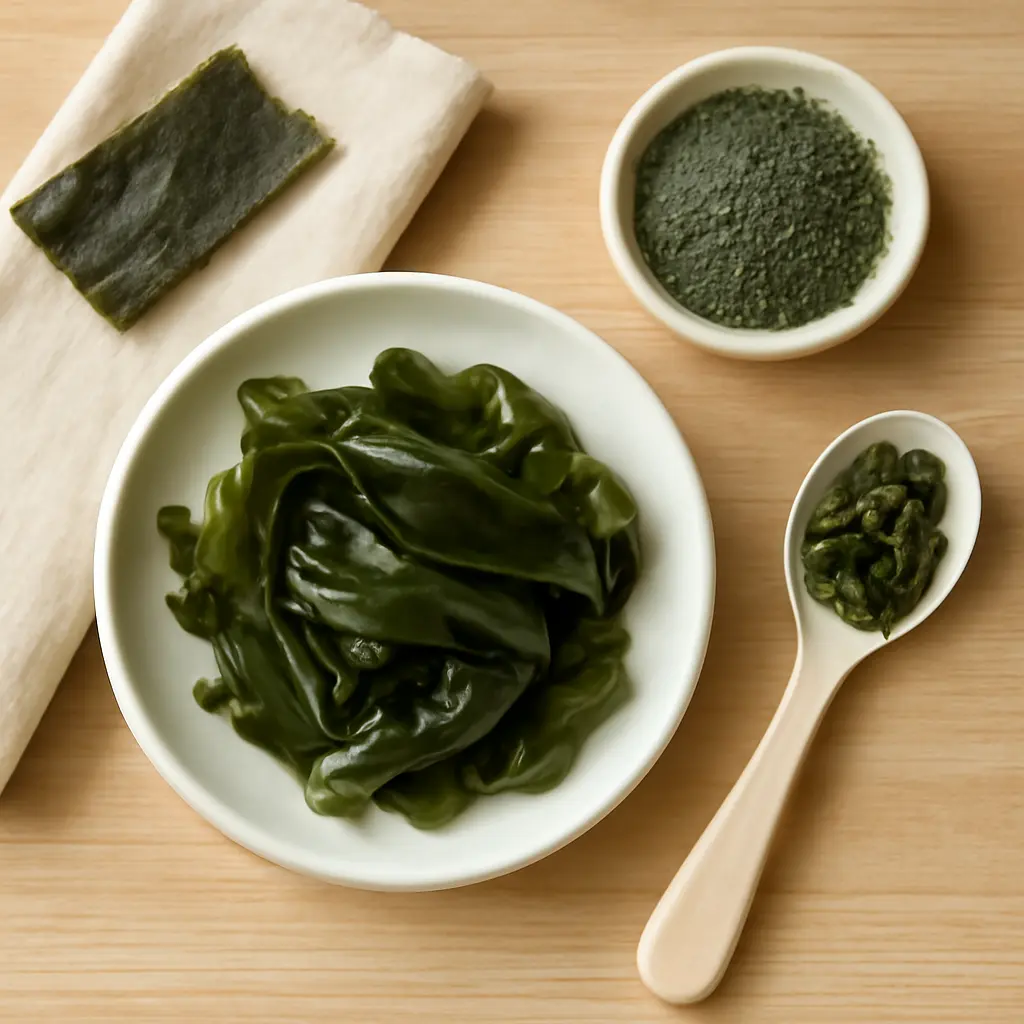
Characteristics of Kelp
Kelp is characterized by its unique structure composed of a holdfast, stipe, and blades. The holdfast anchors the kelp to the ocean floor, while the stipe provides support. The blades, which resemble leaves, are responsible for photosynthesis. These large brown algae can grow rapidly, some species reaching up to 2 feet per day under optimal conditions, making them one of the fastest-growing organisms on Earth.Kelp forests are predominantly found in the cold waters of the temperate and polar regions. Notable locations include the coastlines of the Northern Pacific, especially around Japan, and parts of the Atlantic. These regions provide the ideal conditions for kelp growth, including nutrient-rich waters and adequate sunlight penetration.One of the remarkable aspects of kelp is its bioactive compounds, such as polysaccharides like fucoidan and laminarin, iodine, and the pigment fucoxanthin. These substances are responsible for many of the health benefits associated with kelp consumption.
Applications and Benefits of Kelp
Kelp has been utilized by humans for thousands of years. In East Asia, particularly Japan and China, kelp has been harvested since at least 600 BCE for use in food, medicine, and agriculture. Known as “kombu” in Japan, kelp remains a staple in traditional diets and is celebrated for its health benefits and flavor-enhancing properties.In Europe, kelp found its earliest uses in the production of soap and glass, with its industrial potential recognized in the 17th century. Today, kelp is being explored for its applications in biotechnology, biofuel production, and sustainable agriculture. Its rapid growth and ability to absorb CO2 position it as a promising tool in combating climate change.Kelp’s culinary applications are broad and varied. It is a common ingredient in health foods and dietary supplements, valued for its flavor and nutritional content. Rich in dietary fiber and glutamate, it adds umami flavor to broths, soups, and seasonings, making it a popular choice for chefs and home cooks alike.
Nutritional Properties of Kelp
One of the standout features of kelp is its exceptional iodine content. Iodine is a crucial micronutrient for thyroid health and overall metabolism. Kelp contains significantly more iodine than fish, making it one of the richest natural sources available. In addition to iodine, kelp provides vitamins, including those from the B group, which are essential for various metabolic processes.The bioactive compounds in kelp, such as fucoidan and laminarin, have been the subject of scientific research due to their potential health benefits. Studies have suggested that these polysaccharides possess properties that may support cancer prevention, anti-coagulation, anti-atherosclerosis, cholesterol reduction, blood sugar regulation, antioxidant activity, anti-inflammatory effects, kidney protection, and immune modulation. Fucoxanthin, the red pigment in kelp, also exhibits antioxidant properties.
Kelp in Traditional Medicine
Traditionally, kelp has been used to aid labor induction in folk medicine, particularly in practices involving midwifery. Known as “kelp sticks,” these were made from dried kelp pieces that absorbed moisture and expanded, functioning as mechanical aids to dilate the cervix during childbirth. While modern medicine may not rely on such methods, the historical use of kelp highlights its significance in traditional healthcare practices.
Daily Use and Lifestyle Applications
Incorporating kelp into one’s diet can be an excellent way to enhance nutritional intake. Its high iodine content is particularly beneficial for individuals with low thyroid function. However, moderation is key, as excessive iodine consumption can lead to adverse health effects. Kelp can be consumed fresh, dried, or as a supplement, offering flexibility in how it is added to meals.Kelp’s culinary versatility means it can be used in numerous dishes, from traditional Asian cuisine to innovative modern recipes. It makes an excellent addition to soups, salads, and smoothies, and can also be used as a thickening agent in sauces and dressings.Beyond the kitchen, kelp’s role in environmental sustainability is gaining attention. As a component of mariculture, kelp farming requires minimal water, fertilizers, and pesticides, while improving water quality. This sustainable form of aquaculture is becoming increasingly popular as a means to balance ecological health with economic growth.
Balanced Perspective and Safety
While kelp offers numerous benefits, it is essential to approach its consumption with a balanced perspective. As with any dietary component, it is crucial to consider individual health needs and potential allergies. The high iodine content in kelp can be advantageous, but excessive intake can lead to thyroid dysfunction or other health issues.Furthermore, sourcing kelp from reputable providers ensures its safety and quality. Contaminants from polluted waters can accumulate in kelp, posing potential health risks. Consumers should seek certified organic or sustainably harvested kelp to avoid these hazards.In conclusion, kelp is a powerhouse of nutrition and sustainability, with applications spanning from food to environmental conservation. Its rich history and modern potential make it a valuable resource worthy of consideration in both personal health and global ecological strategies.


