
The Crucial Role of Iodine in Health and Wellness
In this page
Iodine is a vital trace element that plays a fundamental role in maintaining human health, particularly in thyroid function. While traditionally recognized for its role in thyroid hormone production, recent studies have expanded our understanding of iodine’s involvement in the health of other glands, including the mammary and prostate glands. This article will explore the importance of iodine, its recommended daily intake, the consequences of deficiency and excess, and its broader implications for health.

Scientific Background and General Context
Iodine is an essential mineral required for the synthesis of thyroid hormones, which are critical regulators of metabolism, growth, and development. The thyroid gland stores approximately 75% of the body’s iodine content, which amounts to about 20-50 mg. These hormones influence various physiological processes, including protein synthesis, nervous system function, muscle health, and cardiovascular activity. Proper thyroid function is dependent on adequate iodine levels.Historically, iodine deficiency was a common problem in regions far from the sea, where soil and water lacked this essential nutrient. The resulting condition, endemic goiter, characterized by an enlarged thyroid, was prevalent until public health measures, such as iodine supplementation in salt, were introduced.
The Importance of Iodine for Thyroid Health
Thyroid hormones thyroxine (T4) and triiodothyronine (T3) are synthesized from iodine and the amino acid tyrosine. These hormones regulate metabolic processes and have profound effects on growth, energy production, and overall metabolic rate. Without sufficient iodine, the thyroid gland cannot produce adequate amounts of these hormones, leading to hypothyroidism.Hypothyroidism, resulting from iodine deficiency, manifests as fatigue, weight gain, cold intolerance, cognitive impairment, and a variety of other symptoms. In severe cases, it can cause developmental delays in children and complications in pregnancy, such as miscarriage and preterm birth.
Daily Use and Lifestyle Applications
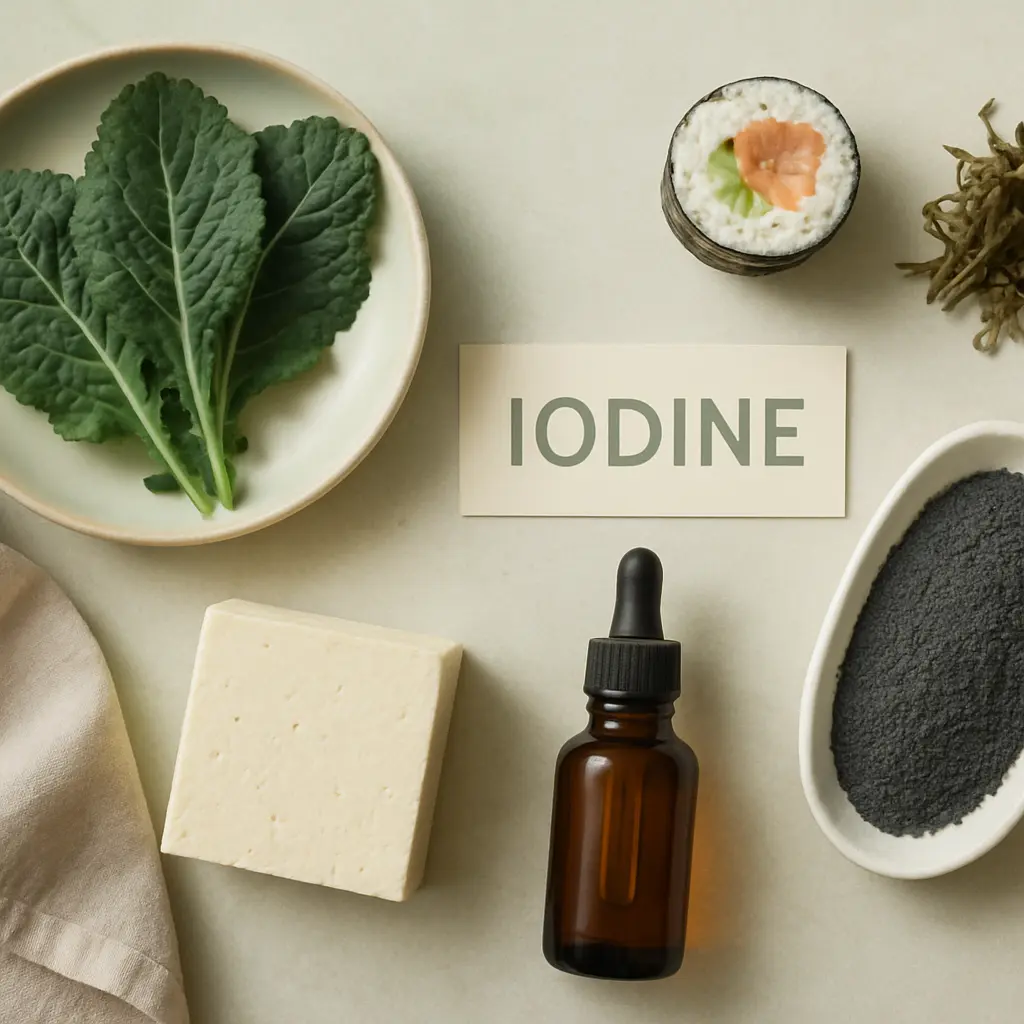
The recommended daily intake of iodine varies based on age, sex, and life stage. Generally, adults require a minimum of 150 micrograms (mcg) per day, while pregnant and lactating women need up to 300 mcg to support fetal and infant development.Iodine is naturally found in fish, dairy, and certain vegetables, but it is most commonly consumed through iodized salt. For individuals adhering to low-sodium or vegan diets, iodine intake may be insufficient, necessitating supplements or dietary adjustments.Ensuring adequate iodine intake is critically important, particularly for pregnant women, to minimize the risk of developmental disorders in the child. Health practitioners often recommend prenatal vitamins that contain iodine for this reason.
The Consequences of Iodine Deficiency
Iodine deficiency can lead to serious health issues, starting with the development of goiter. This condition is not only a cosmetic concern but also a symptom of underlying thyroid dysfunction. Hypothyroidism resulting from iodine deficiency can present with symptoms such as:- Lethargy and fatigue- Weight gain- Cold intolerance- Depression and cognitive decline- Muscle weakness- Constipation- Dry skin and hairIn children, iodine deficiency can result in developmental delays and intellectual disabilities. For pregnant women, the risks include increased chances of miscarriage, stillbirth, and congenital abnormalities.
Exploring Iodine Excess: Risks and Implications
While iodine deficiency is widely recognized, excessive iodine intake can also lead to health issues, such as hyperthyroidism. Hyperthyroidism may occur in regions with high environmental iodine levels or in individuals with autoimmune thyroid conditions like Graves’ disease. Symptoms include:- Weight loss- Increased heart rate- Anxiety- Tremors- Heat intoleranceResearch indicates that excessive iodine can trigger autoimmune thyroiditis by promoting inflammatory responses in the thyroid. Studies have shown that high iodine intake can lead to both clinically apparent and subclinical thyroid conditions, including autoimmune thyroiditis and altered thyroid function.
Balanced Perspective and Safety
The balance of iodine intake is crucial for optimal health. Public health strategies, such as iodized salt, have successfully reduced iodine deficiency worldwide. However, individuals must be cautious of excess iodine intake from dietary supplements, certain foods like seaweed, and environments with naturally high iodine levels.While some populations, such as those in parts of Asia, consume higher iodine levels due to dietary habits without adverse effects, individual tolerance varies. Therefore, sticking to recommended daily allowances and consulting healthcare providers for advice on supplements and diet is advisable.
Broader Health Implications of Iodine
Beyond thyroid health, iodine may have additional health benefits. Some research suggests that iodine could play a role in reducing the incidence of breast and prostate cancers. This is potentially due to iodine’s involvement in cellular processes and its ability to form iodinated lipids, which may inhibit cell proliferation in glandular tissues.These findings point to the complex roles iodine may play in health beyond its foundational role in thyroid hormone production. However, further research is necessary to fully understand these relationships and their practical applications for cancer prevention.
Conclusion
Optimal iodine intake is essential to maintain thyroid health and prevent related disorders. While iodine deficiency poses significant health risks, excessive iodine can also be detrimental, particularly for those with pre-existing thyroid conditions. A balanced approach to iodine consumption, grounded in recommended dietary guidelines, is crucial for maintaining overall health and well-being. Individuals should be mindful of their iodine intake and consult healthcare professionals, particularly when considering supplements or significant dietary changes.


