
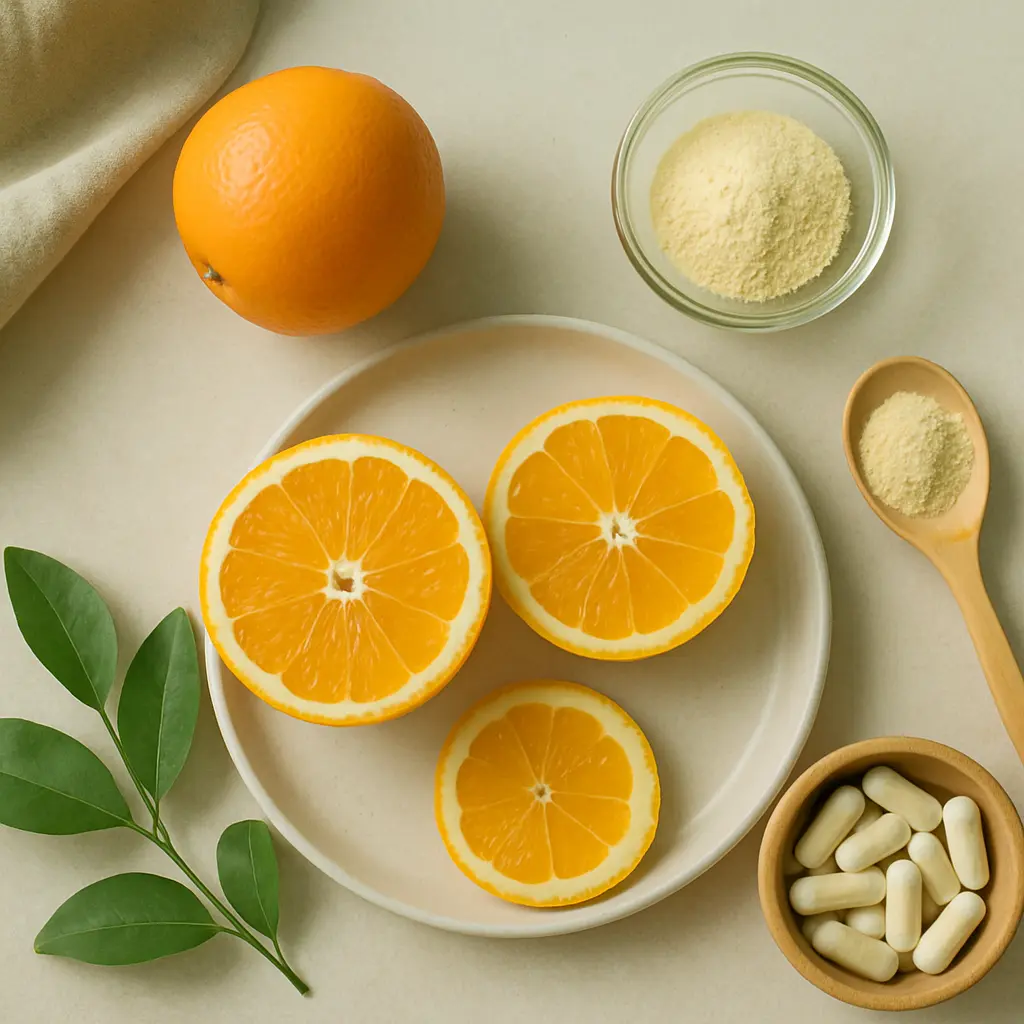
Exploring the Health Benefits of Hesperidin: A Citrus Flavonoid
In this page
Hesperidin, a flavonoid predominantly found in citrus fruits, has garnered attention for its potential health benefits. This bioactive compound is mainly sourced from the peels and the white inner layers of citrus fruits like oranges, lemons, and tangerines. Often associated with its antioxidant and anti-inflammatory properties, hesperidin is a subject of interest in dietary supplements and nutritional science. This article delves into the scientific background of hesperidin, its incorporation in daily life, and the balanced perspective on its usage.

Scientific Background and General Context
Hesperidin belongs to a group of compounds known as glycosides, characterized by the attachment of a sugar molecule to a non-sugar substance. This particular glycoside contains rutinose, contributing to its structural stability. Found primarily in the peel and albedo (the white layer) of citrus fruits, hesperidin is most concentrated in the bitter orange (Citrus aurantium). The compound is insoluble in water but remains stable in acidic environments, facilitating its accumulation in citrus pulp.Citrus fruits are not only rich in hesperidin but also boast a variety of other bioactive substances. These include flavonoids like naringin, diosmin, rutin, and quercetin, all known for their potent antioxidant and anti-inflammatory properties. Additionally, carotenoids such as beta-cryptoxanthin and lutein, present in these fruits, are linked to protective effects on eye health.Moreover, citrus fruits are a well-known source of vitamin C, a vital nutrient that supports collagen synthesis and enhances vascular stability, complementing the effects of flavonoids. The essential oils found in citrus peels, abundant in limonene and other terpenes, have potential applications in aromatherapy. Pectins in the albedo further contribute to gut health by supporting the microbiome and regulating blood sugar levels.

Daily Use and Lifestyle Applications
Hesperidin’s low natural bioavailability suggests that individuals may gain more benefits from supplementation than from dietary sources alone. Once ingested, hesperidin is metabolized into hesperetin, its active form, which exhibits stronger biological activity.
Supplementation and Dosage
Hesperidin supplementation typically involves daily intake of 200 to 500 mg of standardized citrus extract. This extract is often enhanced through micronization, a process that increases its bioavailability. In some cases, higher doses are recommended, but these should be pursued under professional guidance. Hesperidin is available in various forms, including pure citrus extracts and micronized hesperidin, as well as combinations with other flavonoids like diosmin, frequently used in venous insufficiency treatments.
Balanced Perspective and Safety
While hesperidin exhibits promising health benefits, it is essential to maintain a balanced perspective regarding its use. Its anti-inflammatory and antioxidant effects have been supported by numerous clinical studies. For instance, a comprehensive review of 18 studies indicated that hesperidin supplementation could reduce inflammatory markers such as C-reactive protein (CRP), interleukins IL-6 and IL-4, and malondialdehyde (MDA), a key indicator of oxidative cell damage.
Antioxidant System Enhancement
Research has also investigated hesperidin’s impact on antioxidant enzymes, including superoxide dismutase (SOD), catalase (CAT), and glutathione (GSH), which neutralize excess free radicals that pose risks to healthy cells. Findings confirmed its beneficial effects on the antioxidant system, although the lack of a strict dose-response relationship suggests that health outcomes are not directly proportional to the amount consumed.
Chronic Disease Implications
Further studies have explored hesperidin’s potential influence on chronic disease biomarkers, including parameters related to cognitive function, cardiovascular health, insulin sensitivity, inflammation, oxidative stress, and the metabolism of other plant antioxidants. These analyses highlighted that higher hesperidin intake—particularly through orange juice consumption—had favorable effects on these parameters compared to lower doses and less frequent consumption. However, the overall impact was not pronounced, likely due to variability in clinical trial designs, dosing differences, assessment methods, and individual metabolic traits such as diet and genetic predispositions.
Conclusion
Hesperidin, a flavonoid abundant in citrus fruits, offers various health benefits, particularly through its antioxidant and anti-inflammatory properties. While its natural absorption in the body is limited, supplementation provides a viable method to harness its full potential. Incorporating hesperidin into daily life through dietary supplements presents an opportunity to support overall health, especially when used in conjunction with other flavonoids. However, as with any supplement, it is crucial to approach its use with informed caution, considering individual health needs and potential interactions.


