
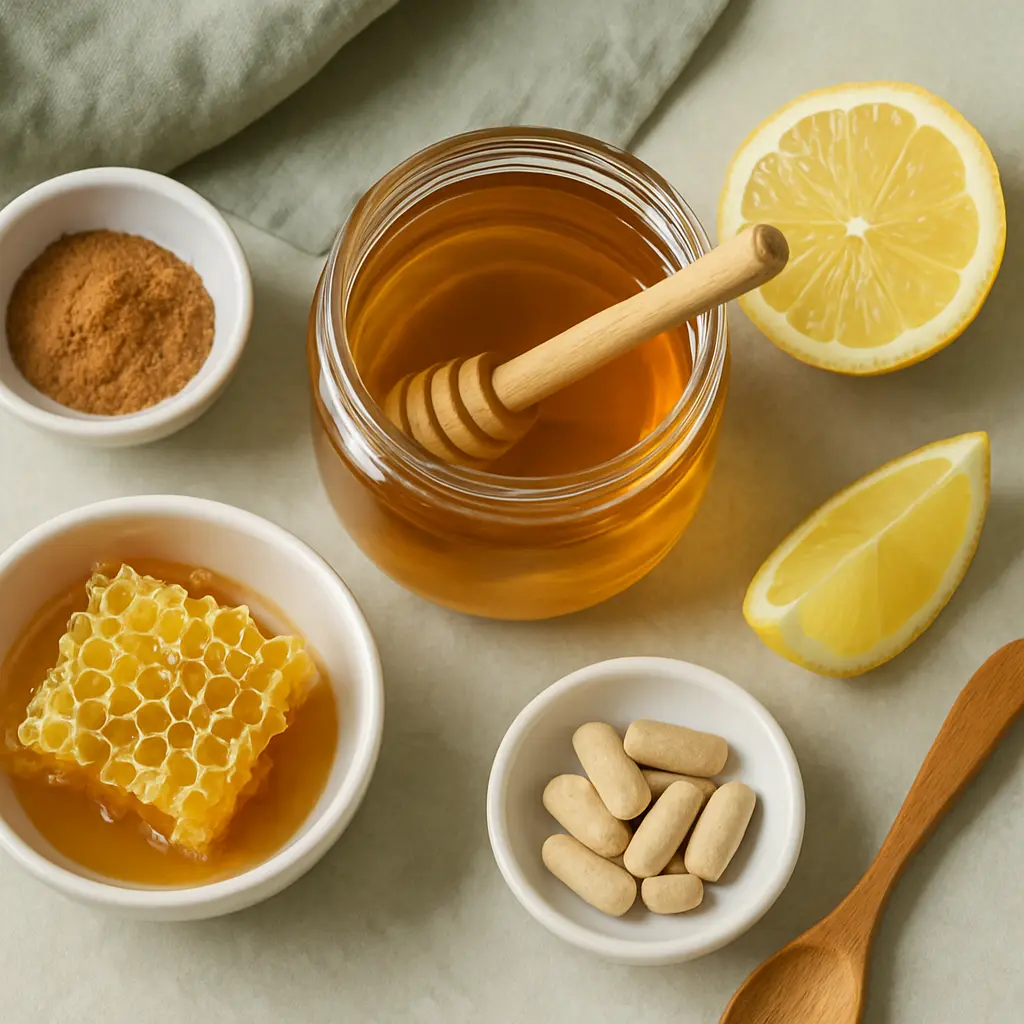
Exploring the Health Benefits and Culinary Uses of Honey
In this page
Honey, a natural sweetener with a rich history, is cherished not only for its delightful taste but also for its nutritional and potential health benefits. Derived from the nectar of flowers and processed by honeybees, this remarkable substance varies in flavor, aroma, and properties based on its botanical sources. This article delves into the fascinating world of honey, covering its production, categories, nutritional content, culinary applications, and potential health advantages.

Scientific Background and General Context
Honey production is a complex biochemical process carried out by honeybees (Apis mellifera). It begins with bees collecting nectar from flowers and storing it in their honey stomachs. Enzymes within the bees convert complex sugars into simpler ones, primarily glucose and fructose. Once inside the hive, the bees deposit the nectar into honeycombs, where it undergoes further enzymatic transformations and water evaporation. This process, combined with the sealing of the combs with beeswax, ensures the honey’s long-term stability and antibacterial properties due to low water activity and the presence of hydrogen peroxide and flavonoids.The diverse sources of nectar result in a wide range of honey types, each with unique characteristics. Honey is broadly categorized based on its source into nectar honey, honeydew honey, and mixed varieties. Each type presents distinct flavor profiles and nutritional benefits.

Categories of Honey
Honey is classified into several categories depending on the source of the raw materials:
Nectar Honey
Nectar honey is produced from the nectar of flowers. These honeys can be further subdivided into monofloral and polyfloral types. Monofloral honey, such as linden, buckwheat, and acacia, is derived from predominantly one type of flower, giving it distinct flavors and properties. Polyfloral, or wildflower honey, is a blend of nectar from various plants, with its composition and characteristics varying by season. Spring harvest tends to yield lighter, milder honey, while summer and autumn varieties are darker and richer, often containing higher levels of bioactive compounds.
Honeydew Honey
Honeydew honey is produced from the secretions of sap-feeding insects, often found on coniferous and deciduous trees. These honeys are generally less sweet compared to nectar honeys and have a higher mineral content, making them nutritionally valuable.
Mixed Honey
Mixed honey combines nectar and honeydew, resulting in unique physical and sensory properties. These honeys offer a balance of flavors and the combined benefits of both nectar and honeydew sources.
Nutritional Profile of Honey
Honey’s nutritional composition is predominantly simple sugars, with fructose and glucose comprising over 95% of its dry weight. It also contains a variety of enzymes such as invertase, diastase, and glucose oxidase, organic acids like gluconic acid, amino acids, trace amounts of B vitamins, and essential minerals like potassium, calcium, magnesium, and iron. The presence of polyphenols, particularly flavonoids and phenolic acids, contributes to honey’s antioxidant properties.
Nutritional Value of Wildflower Honey
| Nutrient | Content per 100g |
|---|---|
| Calories | 300-320 kcal |
| Protein | 0.2-0.5 g |
| Fat | 0.0-0.1 g |
| Carbohydrates | 75-79 g |
Culinary Properties and Uses of Honey
Culinary Applications
Honey’s versatility makes it a popular ingredient in various culinary creations. Its natural sweetness and flavor complexity enhance baked goods, dressings, marinades, and beverages. It acts as a natural preservative in food products due to its low water content and acidity, which inhibit microbial growth. It also serves as a humectant, keeping baked goods moist and extending their shelf life.Honey’s distinctive flavors and aromas make it an excellent pairing with cheese, yogurt, and fruit, offering a healthy alternative to refined sugars. Its use extends to glazes for meats, imparting a caramelized finish during cooking.
Health Benefits of Honey
Honey is known for its wide range of health benefits, backed by numerous scientific studies. One of its most notable effects is its ability to soothe coughs. Studies have shown that honey can be more effective than some over-the-counter medications, providing relief from cough and aiding in better sleep.Additionally, honey has wound-healing properties, promoting the healing of burns, cuts, and pressure ulcers more effectively than conventional dressings. Its antimicrobial properties, including hydrogen peroxide and other compounds, help prevent infections and aid the healing process.Regular consumption of honey has been associated with improved metabolic markers, including reduced fasting glucose levels, total cholesterol, and LDL cholesterol, particularly with the consumption of acacia, clover, and raw honey. As a carbohydrate source, honey can support physical performance and recovery, improving endurance during exercise and enhancing immune function post-workout. Varieties like manuka and wildflower honey demonstrate activity against oral pathogens, contributing to oral health.
Daily Use and Lifestyle Applications
Incorporating honey into a daily diet can be a simple yet effective way to enhance overall nutrition. As a natural sweetener, it offers an alternative to refined sugars and artificial sweeteners, providing a healthier option for sweetening tea, coffee, and smoothies.For athletes and physically active individuals, honey can serve as an energy-boosting snack before or after workouts, aiding in recovery and maintaining energy levels. Its quick absorption into the bloodstream makes it an ideal food for replenishing glycogen stores in muscles.Honey can also be used in home remedies for sore throats, mixed with lemon juice and warm water to provide soothing relief. Additionally, using honey as a face mask can offer moisturizing and antibacterial benefits, contributing to healthier skin.
Balanced Perspective and Safety
While honey is a nutritious and beneficial food, it is essential to consume it in moderation due to its high sugar content. Overconsumption can contribute to weight gain and dental issues. People with diabetes should be cautious and consider consulting a healthcare professional before incorporating honey into their diet, as it can affect blood sugar levels.Infants under one year of age should not be given honey due to the risk of botulism, a rare but serious illness caused by bacteria that can thrive in honey.In conclusion, honey is a valuable addition to a balanced diet, offering not only culinary delight but also potential health benefits. Its versatility and rich history make it a fascinating subject for both culinary enthusiasts and health-conscious individuals. By understanding its properties and using it wisely, honey can be a beneficial component of a healthy lifestyle.


