
The Science and Sweetness Behind Thaumatin: Nature’s Unlikely Sugar Substitute
In this page
The worldwide prevalence of obesity has reached concerning levels, posing significant health risks beyond just aesthetic issues. As researchers continue to seek healthier alternatives to sugar, one sweetener has caught attention due to its unusual origin and properties—thaumatin. Sourced from the fruit of a plant found in West Africa, thaumatin is a protein-based sweetener that stands out because it is not a carbohydrate. This article explores the multifaceted aspects of thaumatin, its discovery, its culinary and industrial applications, and its potential health benefits.

Scientific Background and General Context
Obesity is a major global health concern, often linked with a collection of disorders known as metabolic syndrome, which includes diabetes, atherosclerosis, and hypertension. One primary dietary culprit identified in this health crisis is sucrose or common table sugar. The overconsumption of sugar is associated with ’empty calories’ that contribute to fat accumulation, disrupt insulin levels, and damage blood vessels.With rising awareness of sugar’s health impacts, the demand for sugar alternatives—known as sweeteners—has increased dramatically. Sweeteners offer similar taste without the same health drawbacks. Thaumatin is a natural sweetener categorized as a protein, making it distinct from typical carbohydrate-based sugars.
The Origins and Chemistry of Thaumatin
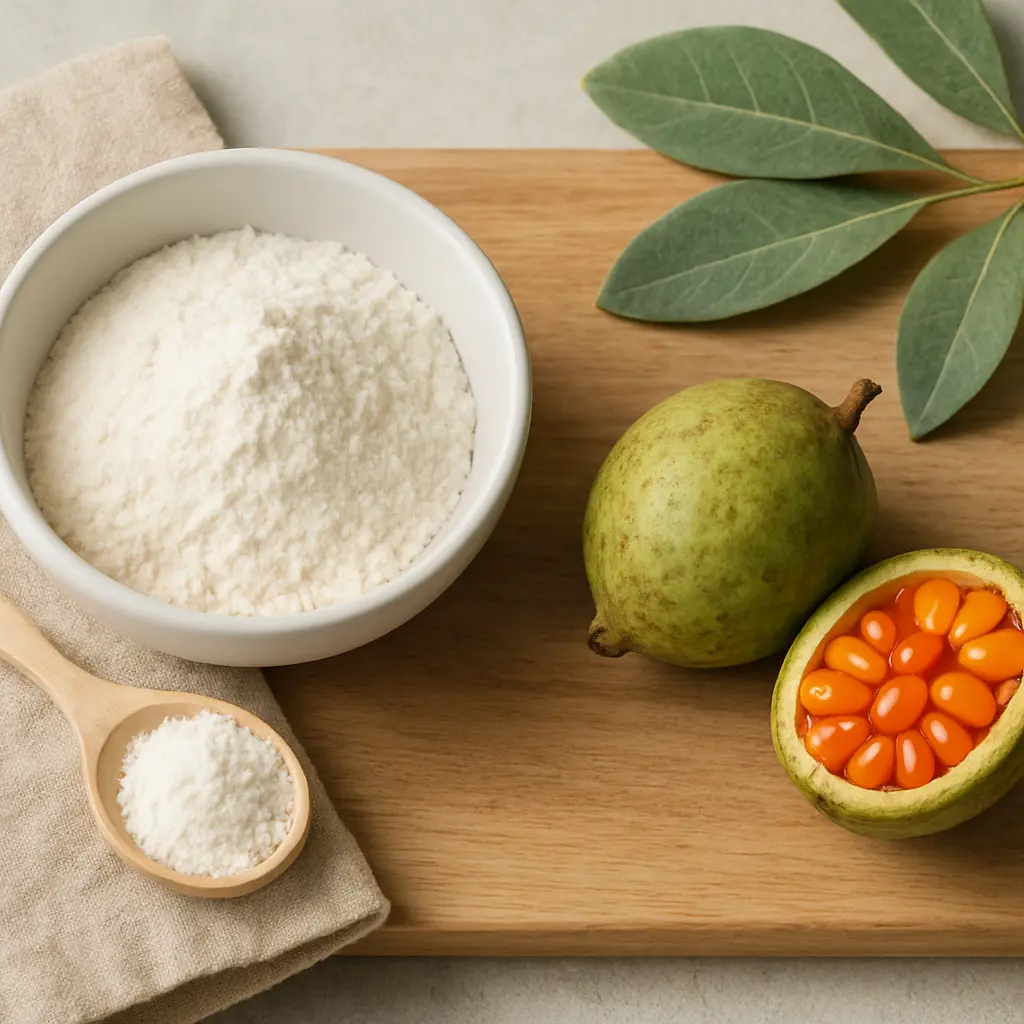
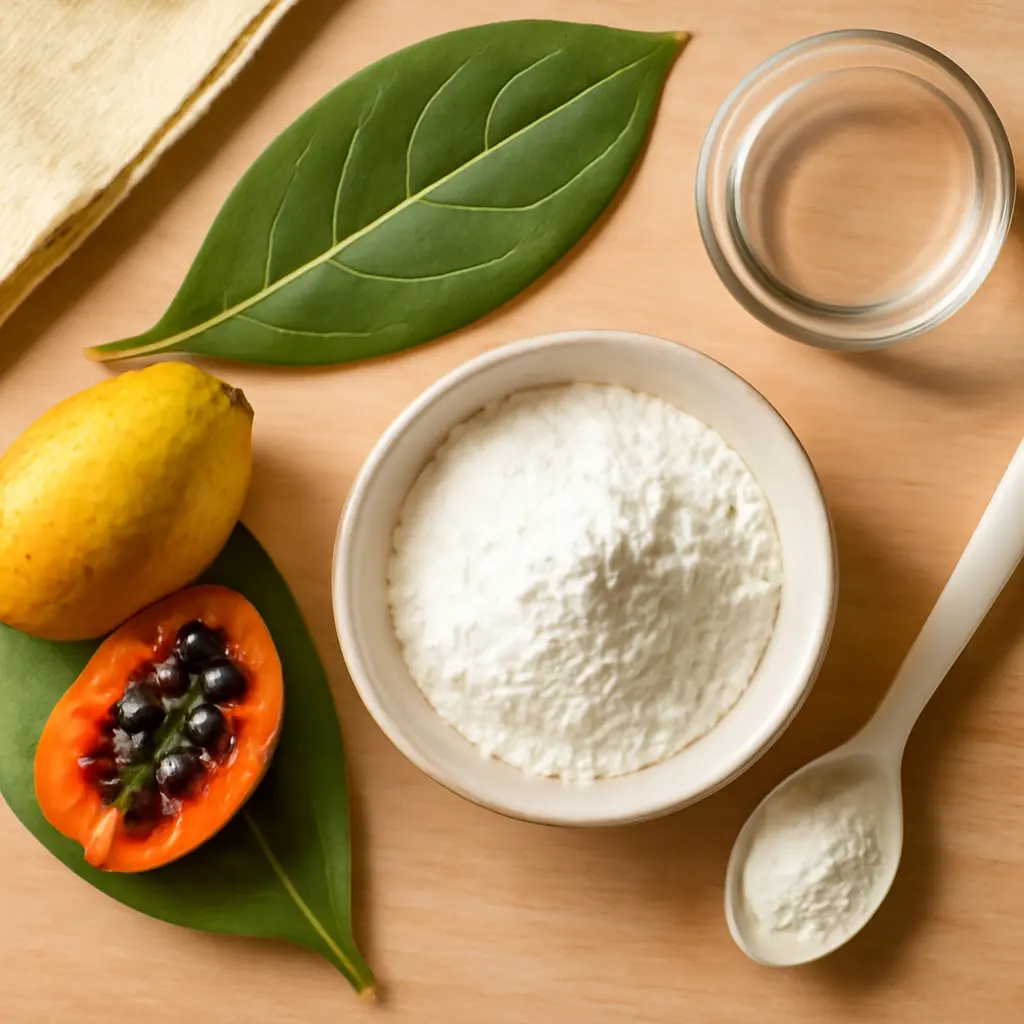
Thaumatin is derived from the fruit of the Thaumatococcus daniellii plant, which is indigenous to the rainforests of West and Central Africa. This plant is a relative of ginger and turmeric, and its fruit’s seed coat contains thaumatin at concentrations as high as 60 mg per gram. The protein itself is comprised of a sequence of amino acids, notably lysine and arginine, which contribute to its remarkable sweetness—approximately 3,500 times sweeter than sugar.Unlike typical sweeteners, thaumatin binds slowly and persistently to sweet taste receptors on the tongue, creating a delayed and lasting sweetness that has a licorice-like aftertaste. This unique sensory profile can be balanced by blending thaumatin with other sweeteners, such as stevia or acesulfame potassium, enhancing their sweetness while mitigating the aftertaste.
History and Traditional Use of Thaumatin
The properties of the “miracle fruit” were first noted by British physician and botanist William Freeman Daniell in the mid-19th century. However, it wasn’t until the 1970s that scientists thoroughly investigated and identified thaumatin as the sweet component of the fruit.In its native regions, the fruit is traditionally used to sweeten local foods and beverages, including bread, palm wine, fruit desserts, and teas. It also flavors traditional dishes like garri and pap, reflecting its cultural importance and versatility in cooking.
Modern Applications of Thaumatin
Today, thaumatin is widely used in the food and beverage industry as a sweetener and flavor enhancer. It is found in products such as desserts, chewing gum, and even pet foods. Its ability to potentiate other flavors makes it valuable in creating complex taste profiles, notably enhancing citrus, coffee, ginger, and mint flavors.In the pharmaceutical industry, thaumatin serves as a flavor-masking agent, improving the palatability of liquid medications and dietary supplements. This application is particularly beneficial in making medicines more acceptable to children.
Balanced Perspective and Safety
The safety of thaumatin as a food additive is well-documented. As a protein, it is digested into amino acids similarly to dietary proteins, with no adverse health effects reported at typical consumption levels. Regulatory agencies worldwide, including the U.S. FDA and the European Food Safety Authority, have approved thaumatin for use in food products, given its excellent safety profile.However, due to its structural similarity to proteins found in some allergens, those with allergies to kiwi or apples should exercise caution. Nonetheless, general consumption is considered safe and free from any significant health risks.
The Health Benefits and Future of Thaumatin
Beyond its use as a sugar substitute, thaumatin may offer additional health benefits. Preliminary studies suggest that thaumatin could inhibit inflammatory responses linked to conditions such as gastritis and peptic ulcers, due to its ability to modulate immune responses. Although further research is needed, these findings hint at the potential for thaumatin to play a role in gastrointestinal health.In conclusion, thaumatin stands out in the realm of natural sweeteners not only for its intense sweetness but also for its capacity to enhance flavors and potentially contribute to health beyond merely reducing sugar intake. As research continues, thaumatin may become an even more integral part of dietary strategies aimed at improving public health.


