Where Does Choline Come From?
In this page
Choline is an essential nutrient that plays a critical role in maintaining various bodily functions, including liver health and brain development. Despite its importance, many people are unaware of where choline comes from and how to incorporate it into their diets. This article explores the natural sources of choline, the role of supplements, factors affecting choline levels, and potential risks associated with choline deficiency. We also offer practical advice on how to include choline-rich foods in your daily meals.
Introduction to Choline
Choline is a vital nutrient recognized for its role in supporting the structure and function of our cells. It contributes significantly to neurotransmitter synthesis, lipid transport, and methylation processes essential for DNA synthesis. While our bodies can produce choline in small amounts, dietary intake is crucial to meet the recommended daily allowance. The importance of choline extends to various stages of life, impacting fetal brain development and liver health, making it an indispensable part of a balanced diet.
Natural Sources of Choline
Choline is found in a range of foods across the animal and plant kingdoms, offering diverse options for those seeking to increase their intake. Understanding these sources is fundamental for maintaining adequate choline levels through diet.
Animal-Based Sources
Animal products are among the richest sources of choline. Eggs, particularly the yolks, are famously abundant in this nutrient. Just one large egg provides about 147 mg of choline. Other excellent animal-based sources include beef liver, chicken, fish, and dairy products like milk and yogurt. These foods are not only high in choline but also provide a wealth of other essential nutrients, making them a valuable component of a nutrient-rich diet.
Plant-Based Sources
For those following a plant-based diet, there are several good sources of choline as well. Cruciferous vegetables such as broccoli and Brussels sprouts contain noteworthy amounts. Beans, lentils, and quinoa are also viable options, contributing both choline and plant-based proteins. Additionally, nuts and seeds, such as almonds and flaxseeds, provide small amounts of choline, which can add up when consumed regularly as part of a balanced diet.
The Role of Supplements in Choline Intake
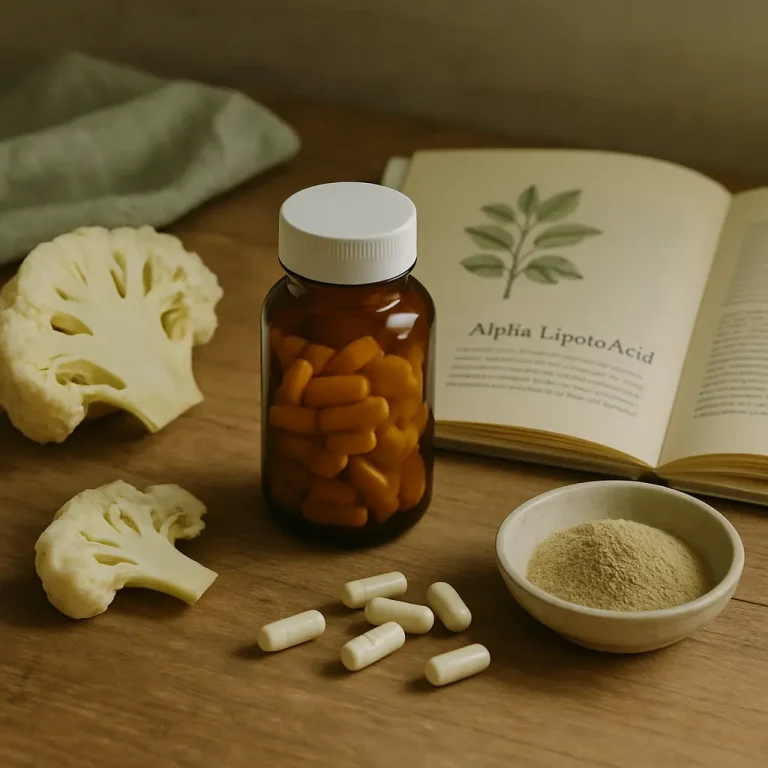
While many individuals can obtain sufficient choline through diet alone, some may consider supplements to help reach the recommended intake levels. Choline supplements are available in various forms, including choline bitartrate and phosphatidylcholine. These supplements can be particularly beneficial for individuals with increased choline needs, such as pregnant women or those with specific health conditions. However, it’s essential to consult a healthcare provider before starting any supplement regimen, as excessive choline intake can lead to adverse effects, such as hypotension and fishy body odor.
Factors Affecting Choline Levels
Several factors can influence an individual’s choline levels, including age, gender, and genetic variables. For instance, pregnant women have elevated choline requirements to support fetal development. Genetic variations can also affect how choline is metabolized in the body, impacting overall levels. Additionally, lifestyle choices, such as dietary habits and alcohol consumption, can influence choline stores. Therefore, understanding these factors is crucial for maintaining optimal choline status and ensuring adequate intake through dietary sources.
How to Incorporate Choline into Your Daily Diet
Incorporating choline-rich foods into your daily meals can be straightforward with a few simple modifications to your diet. Here are some ideas to get you started.
Breakfast, Lunch, and Dinner Ideas
For breakfast, consider starting your day with eggs, whether scrambled, boiled, or in an omelet, paired with a side of sautéed spinach. For lunch, a quinoa salad with chickpeas and broccoli offers a plant-based choline boost. Dinner can include grilled chicken or fish with a side of roasted Brussels sprouts to further enhance your intake.
Snack Options
Snacks provide an additional opportunity to add choline to your diet. Hard-boiled eggs, almond butter on whole-grain toast, or a handful of mixed nuts can be quick and nutritious options. These snacks not only provide choline but also offer other nutrients that support overall health.
Potential Risks of Choline Deficiency
Choline deficiency can lead to several health issues, including muscle damage, liver disease, and neurological disorders. In severe cases, it may contribute to fatty liver disease due to impaired lipid metabolism. Pregnant women with inadequate choline intake might face risks such as neural tube defects in their offspring. Therefore, recognizing the signs of deficiency and maintaining a choline-rich diet is crucial for preventing these potential health problems.
Conclusion
Choline is an essential nutrient with wide-ranging impacts on health, from brain development to liver function. Understanding the sources and significance of choline can help individuals make informed dietary choices to meet their nutritional needs. Whether through natural foods or supplementation, maintaining adequate choline levels is imperative for overall wellness.
FAQs on Choline
Q: Can choline supplements replace dietary choline?
A: While supplements can help meet choline requirements, they should not replace a balanced diet rich in natural food sources of the nutrient.
Q: What populations are at higher risk of choline deficiency?
A: Pregnant and breastfeeding women, as well as individuals with genetic variations affecting choline metabolism, may be at higher risk of deficiency.
Q: Can choline intake be harmful?
A: Excessive choline intake can lead to side effects such as low blood pressure and a fishy body odor. Therefore, it’s crucial to adhere to recommended intake levels.
This article is for informational purposes only and does not constitute medical advice. Always consult a registered dietitian or healthcare provider before starting any supplement regimen.