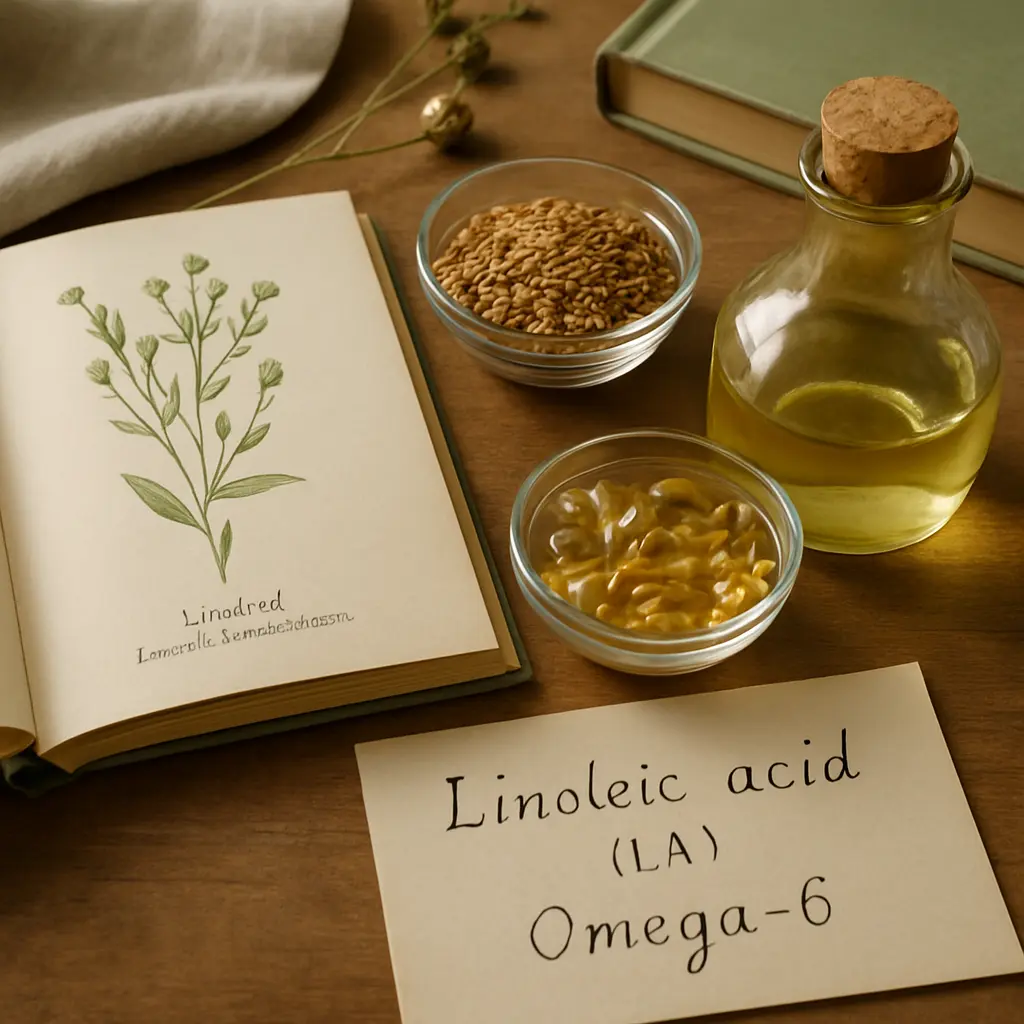
What is Linoleic Acid (LA) – Omega-6
In this page
Linoleic acid, a key component of omega-6 fatty acids, is a polyunsaturated fat essential for human health. Despite its importance, there is widespread confusion about its role and how to balance its intake with other fatty acids, particularly omega-3s. This article explores the nature of linoleic acid, its health benefits, dietary sources, and the recommended intake for optimal well-being.
Understanding Omega-6 Fatty Acids
Omega-6 fatty acids are a group of polyunsaturated fats found in various foods. Unlike saturated and trans fats, which can raise cholesterol levels, omega-6s are considered beneficial when consumed in moderation. They are essential fatty acids, which means the body cannot synthesize them and must obtain them from dietary sources. Linoleic acid is the most common and studied omega-6 fatty acid, playing a critical role in numerous bodily functions.
One of the defining characteristics of omega-6 fatty acids is their chemical structure, which includes a double bond six carbon atoms from the omega end of the fatty acid chain. This structure influences the fatty acid’s properties, including its fluidity at body temperature and its role in cell membrane function.
The Role of Linoleic Acid in the Body
Linoleic acid serves several vital functions in the human body. It is a precursor to arachidonic acid, another omega-6 fatty acid involved in inflammatory and immune responses. Moreover, linoleic acid is crucial for maintaining the structural integrity of cell membranes and ensuring their proper function.
Health Benefits of Linoleic Acid
When consumed in appropriate amounts, linoleic acid can offer various health benefits. It may help to improve cardiovascular health by reducing bad cholesterol levels while maintaining good cholesterol. Linoleic acid also supports skin health, preventing dryness and improving skin barrier function. Additionally, it aids in the absorption of fat-soluble vitamins like vitamins A, D, E, and K.
Foods Rich in Linoleic Acid
Linoleic acid is abundant in various plant-based oils and foods. Key sources include corn oil, soybean oil, sunflower oil, and safflower oil. It is also found in nuts and seeds such as walnuts, sunflower seeds, and pumpkin seeds. Incorporating these items into your diet can assist in maintaining adequate levels of this essential fatty acid.
Linoleic Acid vs. Other Omega-6 Fatty Acids
While linoleic acid is the most prevalent omega-6 fatty acid, it is not the only one. Gamma-linolenic acid (GLA) and arachidonic acid (AA) are other omega-6 fatty acids with unique roles. GLA is found in borage oil, evening primrose oil, and hemp seeds, and is known for its anti-inflammatory properties. Arachidonic acid, on the other hand, is found in animal products like meat and eggs and plays a role in muscle growth and brain function.
Understanding the differences between these fatty acids can help in balancing dietary intake to optimize health benefits while minimizing potential risks.
Recommended Intake and Balance with Omega-3
The ratio of omega-6 to omega-3 fatty acids in the diet is crucial because both types of fat compete for the same enzymes in the body. Historically, human diets had a ratio of omega-6 to omega-3 close to 1:1. However, modern diets often present a ratio as high as 15:1 or more, favoring omega-6 fatty acids excessively.
To promote optimal health, it is recommended to adjust this ratio by increasing omega-3 intake while moderating omega-6 consumption. Omega-3 fatty acids, found in fatty fish like salmon and flaxseeds, are known for their anti-inflammatory properties and cardiovascular benefits.
Risks of Excessive Linoleic Acid Consumption
Although linoleic acid is essential, consuming it in excessive amounts can lead to health issues. An imbalanced intake can contribute to chronic inflammation, which has been linked to various diseases, including heart disease, diabetes, and obesity. Therefore, it is crucial to maintain a balanced intake of omega-6 and omega-3 fatty acids to avoid potential health risks.
Conclusion
Linoleic acid is a vital component of the diet, playing essential roles in maintaining health and preventing disease. However, like any nutrient, it needs to be consumed in proper balance with other dietary fats, particularly omega-3s, to maximize health benefits and minimize risks. By understanding its sources, functions, and the importance of dietary balance, individuals can make informed choices to support their overall well-being.
FAQs about Linoleic Acid
Q: Is linoleic acid the same as omega-6?
A: Linoleic acid is the most common type of omega-6 fatty acid, but it is not the only one. Other omega-6 fatty acids include gamma-linolenic acid (GLA) and arachidonic acid (AA).
Q: How can I balance my omega-6 and omega-3 intake?
A: To balance these fatty acids, increase your intake of omega-3-rich foods such as fatty fish and flaxseeds while moderating omega-6-rich oils and processed foods.
Q: Can too much linoleic acid be harmful?
A: Yes, excessive linoleic acid can lead to an imbalance with omega-3s, resulting in increased inflammation and associated health risks. Balance is key to avoiding potential negative effects.
Q: What are the primary sources of linoleic acid?
A: Linoleic acid is found in plant-based oils like corn, soybean, sunflower, and safflower oil, as well as in nuts and seeds.
This article is for informational purposes only and does not constitute medical advice. Always consult a registered dietitian or healthcare provider before starting any supplement regimen.