
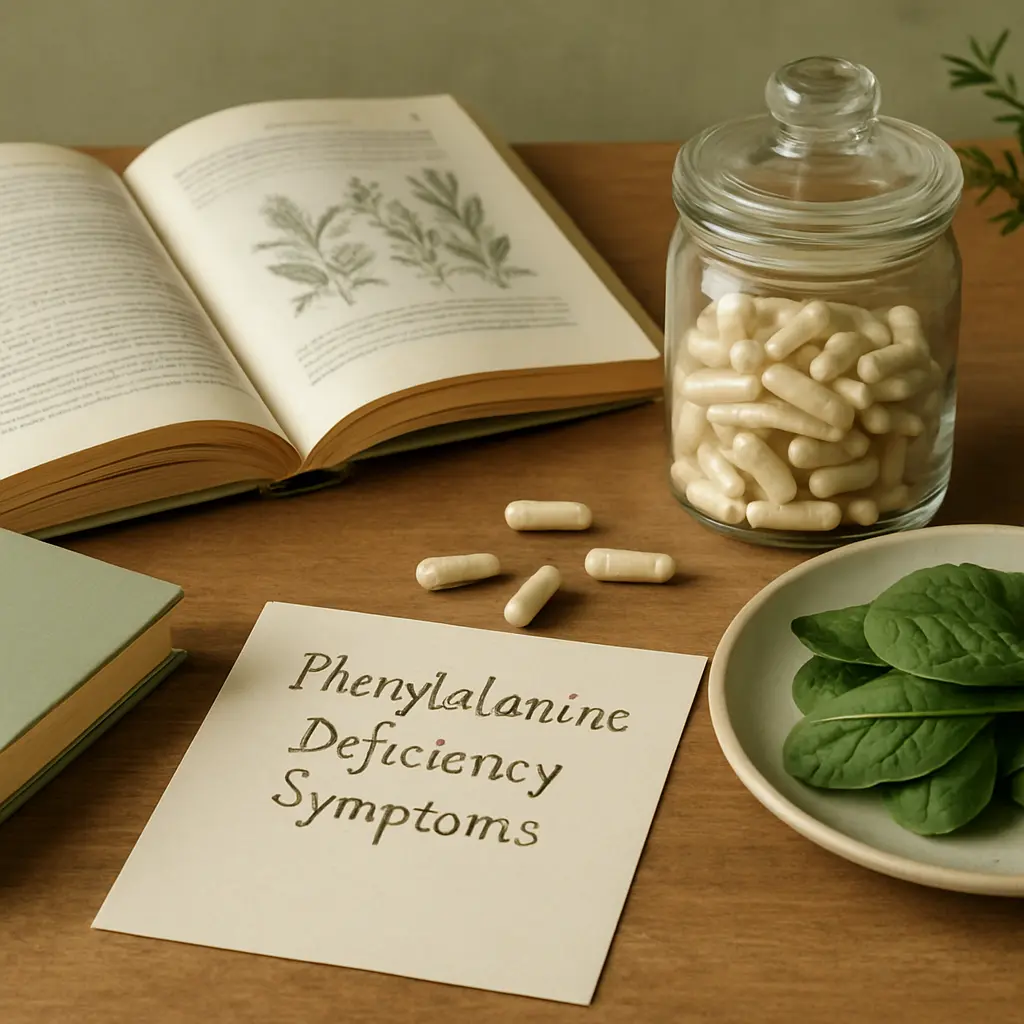
Understanding Phenylalanine Deficiency: Symptoms and Impact
In this page
Phenylalanine is an essential amino acid that plays a crucial role in various bodily functions. Deficiency in phenylalanine can lead to a range of symptoms that affect neurological health, physical well-being, and emotional stability. This article explores the importance of phenylalanine, its deficiencies, and how it impacts overall health. We will delve into the causes and symptoms of deficiency, the long-term effects, diagnostic methods, treatment options, and preventive measures to maintain optimal health.
What Is Phenylalanine?
Phenylalanine is an essential amino acid, meaning that it cannot be synthesized by the human body and must be obtained through diet. It is found in protein-rich foods such as meat, fish, eggs, dairy products, and certain plant-based sources like soybeans and nuts. Phenylalanine plays a critical role as a building block for proteins and is a precursor to several important molecules, including neurotransmitters like dopamine, norepinephrine, and epinephrine.
In the body, phenylalanine is converted to tyrosine, another amino acid that is involved in the synthesis of hormones and neurotransmitters. This conversion is vital for the regulation of mood, cognition, and alertness. Additionally, phenylalanine contributes to the production of melanin, a pigment responsible for skin and hair coloration.
The Causes of Phenylalanine Deficiency
Phenylalanine deficiency is rare due to its widespread presence in various foods. However, certain conditions and dietary factors can lead to deficiency. One primary cause is inadequate dietary intake, which might occur in individuals following extremely restrictive diets or those with eating disorders.
Moreover, metabolic disorders such as phenylketonuria (PKU) can impact phenylalanine levels. PKU is a genetic condition where the body lacks the enzyme needed to convert phenylalanine to tyrosine. As a result, individuals must manage their intake to avoid high levels of phenylalanine, which can lead to toxicity rather than deficiency. However, in rare cases, inadequate protein intake can still result in a shortage of essential amino acids, including phenylalanine.
Recognizing the Symptoms of Phenylalanine Deficiency
Identifying the symptoms of phenylalanine deficiency can be challenging, as they often overlap with other health issues. However, there are distinct categories of symptoms that can indicate a lack of this essential amino acid.
Neurological Symptoms
Phenylalanine is vital for neurotransmitter production, and a deficiency might manifest in neurological symptoms. Individuals may experience cognitive difficulties, such as memory loss or reduced ability to concentrate. Other signs include headaches, fatigue, or even a general feeling of mental fog.
Physical Symptoms
Physical symptoms of phenylalanine deficiency can include unexplained weight loss, decreased muscle mass, or weakness. As phenylalanine is converted into tyrosine, which aids in melanin production, a deficiency might lead to changes in skin pigmentation or hair color. Additionally, some individuals may experience skin conditions like eczema.
Emotional and Behavioral Changes
Phenylalanine deficiency can also impact emotional and psychological health. Changes in mood, irritability, anxiety, or depression can occur due to the impaired production of neurotransmitters like dopamine and norepinephrine, which regulate mood and emotional responses.
How Phenylalanine Deficiency Impacts Long-term Health
Long-term phenylalanine deficiency can have significant implications for health. Persistent low levels of this amino acid may result in chronic neurological issues, such as decreased cognitive function and mental health disorders. Additionally, ongoing deficiency might contribute to muscle atrophy and impaired physical performance.
Moreover, the imbalance in neurotransmitter production due to prolonged deficiency can exacerbate emotional and behavioral problems, potentially leading to severe mental health issues. Addressing phenylalanine deficiency is crucial to preventing these long-term health consequences and ensuring overall well-being.
Diagnosing Phenylalanine Deficiency
Diagnosing phenylalanine deficiency typically involves a combination of dietary assessments and blood tests. Healthcare providers may review an individual’s dietary habits and medical history to identify potential causes of deficiency. Blood tests can measure amino acid levels, including phenylalanine, to confirm deficiency.
In cases where PKU or other metabolic disorders are suspected, genetic testing and enzyme assays may be necessary to evaluate enzyme activity related to phenylalanine metabolism. Early diagnosis is essential for managing symptoms and preventing long-term health impacts.
Treatment and Management Strategies
The primary treatment for phenylalanine deficiency involves dietary modifications to ensure adequate intake of protein-rich foods. A balanced diet that includes a variety of protein sources can help replenish phenylalanine levels. In some cases, amino acid supplements may be recommended under medical supervision to address deficiency.
For individuals with metabolic disorders like PKU, managing phenylalanine levels involves a tailored dietary plan that restricts foods high in this amino acid while ensuring adequate nutrient intake. Regular monitoring by healthcare professionals is crucial to maintaining balanced phenylalanine levels and preventing complications.
Prevention Tips for Phenylalanine Deficiency
Preventing phenylalanine deficiency primarily involves maintaining a well-balanced diet rich in protein. Incorporate a variety of protein sources, such as lean meats, fish, dairy products, eggs, legumes, and nuts, to ensure sufficient intake of essential amino acids.
For individuals with dietary restrictions or specific metabolic conditions, working with a healthcare provider or nutritionist to develop a personalized dietary plan is vital. Regular health check-ups and nutrient assessments can help identify potential deficiencies early, allowing for prompt intervention.
Conclusion: Maintaining Balance for Optimal Health
Phenylalanine is a critical amino acid with significant implications for overall health, particularly concerning neurological function and emotional well-being. Understanding the causes and symptoms of phenylalanine deficiency, along with appropriate diagnostic and management strategies, is essential for maintaining optimal health. By ensuring a balanced diet and regular health monitoring, individuals can prevent phenylalanine deficiency and its associated complications, promoting overall wellness and vitality.
FAQs on Phenylalanine Deficiency
What foods are high in phenylalanine? Phenylalanine is abundant in protein-rich foods such as meat, fish, eggs, dairy products, soy products, and nuts.
Can phenylalanine supplements be taken to prevent deficiency? Phenylalanine supplements should only be taken under medical supervision, as excessive intake can lead to toxicity, especially in individuals with conditions like PKU.
How is phenylalanine deficiency different from PKU? Phenylalanine deficiency arises from inadequate dietary intake, whereas PKU is a genetic disorder where the body cannot metabolize phenylalanine properly, requiring strict dietary management.
Are there any risks associated with high levels of phenylalanine? High levels of phenylalanine, particularly in individuals with PKU, can cause neurological damage and other severe health issues, highlighting the importance of appropriate dietary management.
Is phenylalanine safe for everyone? While phenylalanine is safe for most people when consumed through a balanced diet, individuals with PKU or certain health conditions should monitor their intake to avoid complications.
This article is for informational purposes only and does not constitute medical advice. Always consult a registered dietitian or healthcare provider before starting any supplement regimen.




