Uses and Functions of Vitamin B7
In this page
Vitamin B7, also known as biotin, is an essential water-soluble vitamin that plays a critical role in numerous metabolic processes. While it is perhaps best known for its potential to enhance skin, hair, and nail health, vitamin B7 is involved in a wide array of biological functions that are vital to overall health and well-being. This article delves into the uses and functions of vitamin B7, exploring its biological significance, health benefits, dietary sources, and the importance of maintaining adequate levels.
Introduction to Vitamin B7
Vitamin B7, commonly referred to as biotin, is one of the eight B vitamins that contribute significantly to metabolic activity in the human body. B vitamins are crucial because they help convert carbohydrates, fats, and proteins into energy and other necessary substances. Biotin is a cofactor in several carboxylase enzymes, facilitating critical steps in lipid and amino acid metabolism. Although biotin deficiency is rare, maintaining adequate levels is vital for optimal health.
Biological Functions of Vitamin B7
Vitamin B7 and Energy Production
One of the primary roles of vitamin B7 is its involvement in energy production. Biotin serves as a cofactor for carboxylase enzymes, which are central to critical metabolic pathways, including gluconeogenesis, fatty acid synthesis, and amino acid catabolism. These processes are fundamental for producing adenosine triphosphate (ATP), the energy currency of the cell. Without sufficient biotin, these pathways become impaired, potentially leading to reduced energy levels and metabolic inefficiencies.
Impact on Skin, Hair, and Nails
Biotin is often associated with the health of skin, hair, and nails. Many individuals report improvements in these areas with biotin supplementation, although scientific evidence is mixed. Biotin’s role in supporting the production of keratin, a protein that forms the structural foundation of skin, hair, and nails, may partly explain these observations. Ensuring adequate biotin levels can contribute to the maintenance of healthy skin, hair, and nails, particularly in individuals with underlying biotin deficiency.
Health Benefits of Vitamin B7
Support for Pregnancy With Vitamin B7
During pregnancy, the body’s demand for nutrients, including biotin, increases to support fetal development. Vitamin B7 is believed to play an essential role in embryonic growth, although more research is needed to fully understand its impact. Some studies suggest that mild biotin deficiency may occur during pregnancy, which underscores the importance of ensuring adequate intake through diet or supplementation. Pregnant women should consult healthcare providers to tailor their nutrition plans appropriately.
Dietary Sources of Vitamin B7
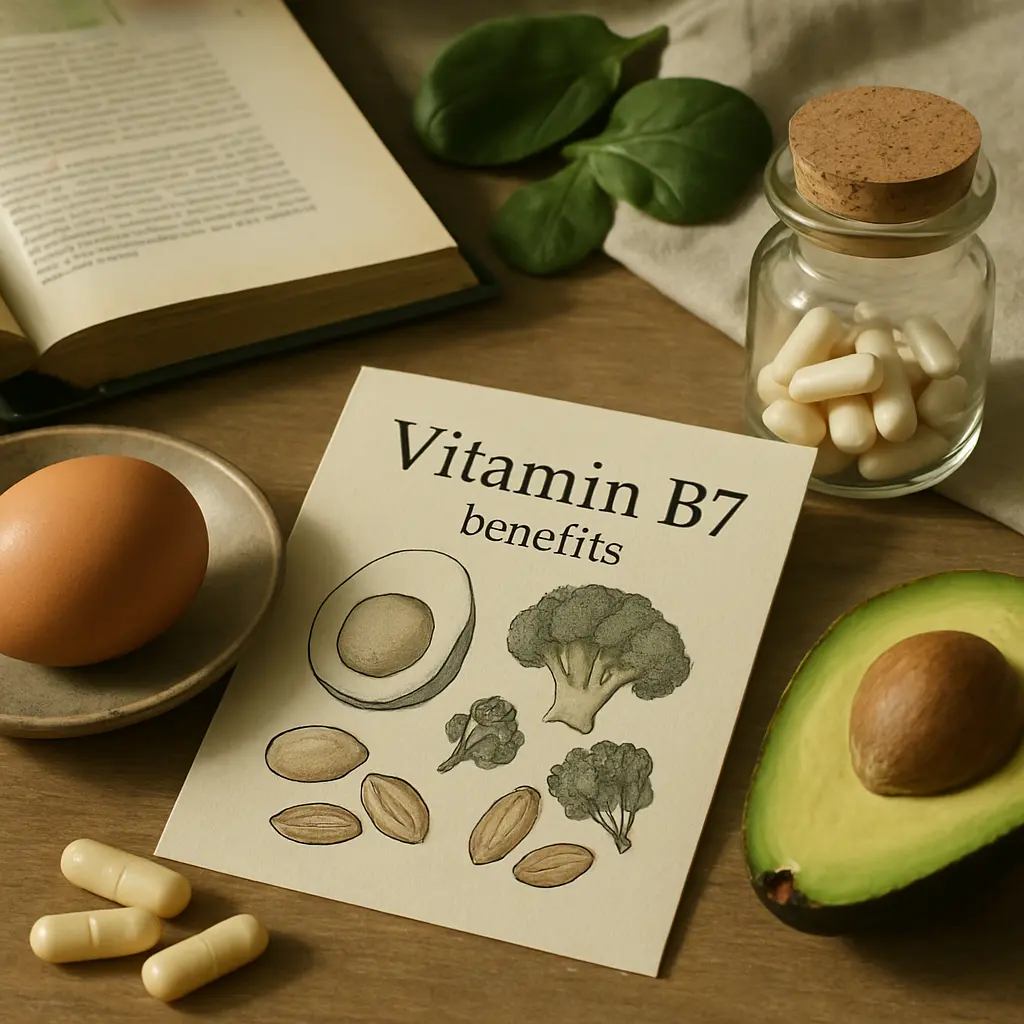
Vitamin B7 is naturally present in various foods, making it relatively easy to achieve sufficient dietary intake for most people. Good sources of biotin include eggs (particularly the yolk), nuts (such as almonds and walnuts), seeds, fish, organ meats (like liver), and dairy products. Whole grains and some vegetables, such as sweet potatoes and spinach, also contribute to dietary biotin. A balanced diet incorporating these foods can help maintain adequate biotin levels and support overall health.
Signs of Vitamin B7 Deficiency
Biotin deficiency is uncommon due to the wide availability of biotin in foods and the body’s ability to recycle it. However, certain conditions and lifestyle factors can increase the risk of deficiency. Symptoms of biotin deficiency may include thinning hair, skin rashes, brittle nails, and neurological symptoms like depression and fatigue. Individuals with genetic disorders affecting biotin metabolism, chronic alcoholics, and those consuming raw egg whites (which contain avidin, a biotin-binding protein) are at increased risk of deficiency.
Recommended Daily Intake and Safety
While there is no established Recommended Dietary Allowance (RDA) for biotin, the Adequate Intake (AI) recommendations provide guidance. For adults, the AI for biotin is about 30 micrograms per day. During pregnancy and lactation, these recommendations increase slightly. Biotin is generally considered safe, with no reported adverse effects from high intakes. However, as with any supplement, it’s essential to adhere to recommended doses and consult a healthcare provider before starting new supplementation, particularly for individuals with underlying health conditions or those taking medications.
Conclusion
Vitamin B7, or biotin, is a vital nutrient that plays a crucial role in energy production, cellular metabolism, and the maintenance of skin, hair, and nail health. While deficiency is rare, ensuring adequate intake through a balanced diet can help support overall health and well-being. Understanding the functions and benefits of biotin empowers individuals to make informed dietary choices and maintain optimal nutrient levels for better health outcomes.
References and Further Reading
For readers interested in exploring more about vitamin B7 and its impact on health, the following sources and publications offer comprehensive insights:
- National Institutes of Health (NIH) Office of Dietary Supplements: Vitamin B7 (Biotin)
- Harvard T.H. Chan School of Public Health: Vitamin B7 (Biotin)
- Journal of Clinical and Aesthetic Dermatology: The Role of Biotin in Hair and Nail Health
- Nutrition Reviews: Biotin: A Forgotten Vitamin?
This article is for informational purposes only and does not constitute medical advice. Always consult a registered dietitian or healthcare provider before starting any supplement regimen.