Let's Shape The Future Of Your Investments!
Natoque iaculis cursus augue urna commodo aptent morbi tortor porttitor quis ornare.

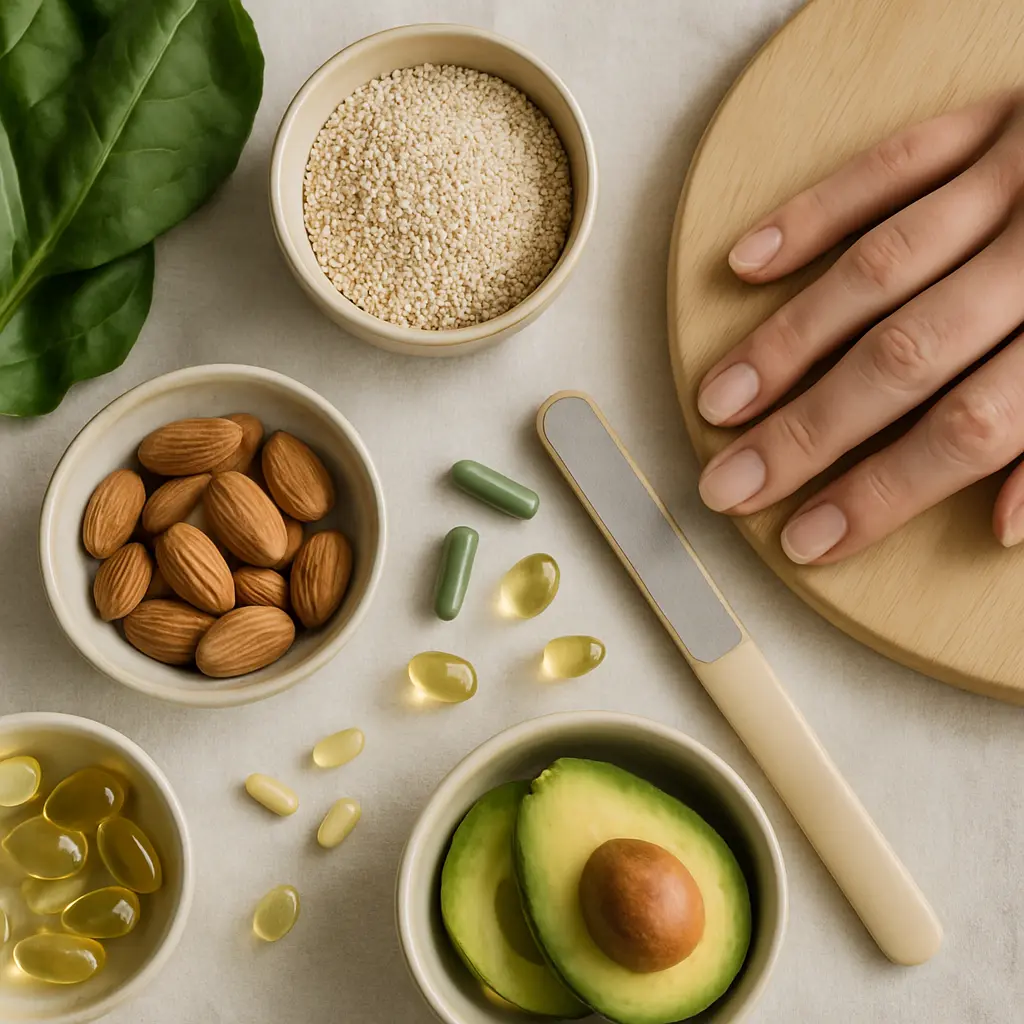
The condition of your nails can be a window into your overall health, reflecting everything from your diet to more serious underlying health issues. While nails might seem like a minor aspect of health, their strength and appearance are influenced by a variety of factors, including nutritional intake and lifestyle choices. In this article, we’ll explore the critical nutrients and minerals that play pivotal roles in maintaining nail health, delve into common problems affecting nails, and provide a balanced perspective on how to integrate these insights into daily life for optimal nail care.
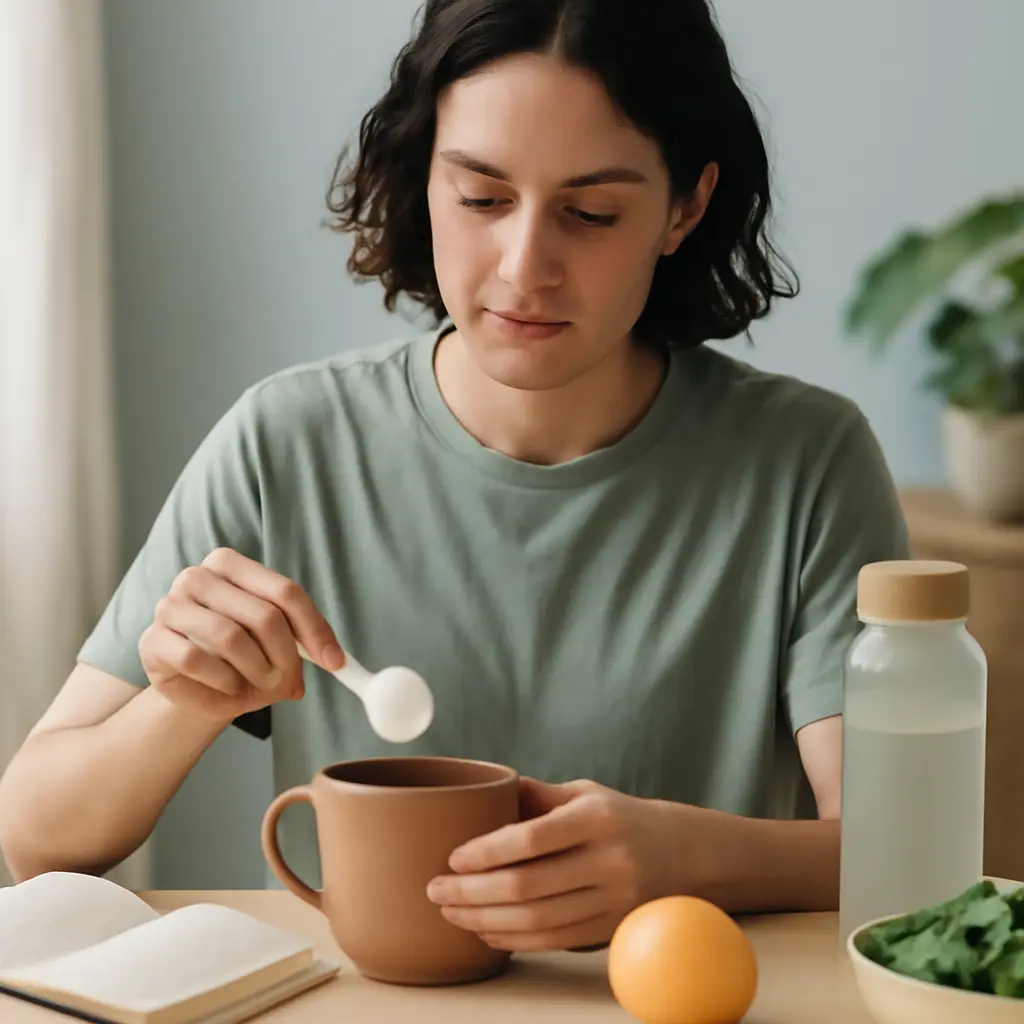
Nails are composed primarily of a protein called keratin, which is also found in hair and skin. Healthy nails are not only a mark of aesthetic appeal but also serve practical functions such as protecting the fingertips and enhancing fine motor skills. Their condition can be affected by various biological processes, nutritional status, and even external factors like exposure to chemicals or moisture.The growth and maintenance of nails depend on a consistent supply of essential nutrients. Vitamins and minerals play a significant role in the synthesis and maintenance of keratin, contributing to healthier and stronger nails. A deficiency in these nutrients can lead to common nail problems such as brittleness, discoloration, and slow growth. Understanding the nutritional requirements for nail health can thus provide valuable insights into overall physical well-being.

Biotin, also known as Vitamin B7, is a water-soluble vitamin that plays a critical role in the metabolism of proteins, fats, and carbohydrates. One of its key functions is to support the production of keratin, the structural protein that forms nails. Regular intake of biotin is linked to increased nail thickness and reduced brittleness.
Research suggests that biotin supplementation can significantly benefit individuals with brittle nails, improving nail strength and promoting growth. Foods rich in biotin include eggs, almonds, walnuts, and whole grains. Regular consumption of these foods can help maintain an adequate level of biotin, thereby supporting nail health.Despite these benefits, it’s crucial to approach biotin supplementation with caution, as an excessive intake can cause side effects or interfere with laboratory tests for thyroid function. Consulting with a healthcare provider before starting any supplement regimen is always advisable.
Vitamin C is essential for the synthesis of collagen, a vital structural protein found in connective tissues, including nails. Collagen contributes to the nail’s resilience and elasticity, protecting it from damage and preventing brittleness. Moreover, Vitamin C is a potent antioxidant, shielding nail cells from oxidative stress.
Ensuring sufficient Vitamin C intake helps maintain a robust nail structure and can assist in the repair of damaged cells. Vitamin C can be easily obtained from citrus fruits like oranges, lemons, and grapefruits, as well as strawberries and bell peppers. A varied diet that includes these foods can help sustain healthy nails and skin.
The recommended daily intake of Vitamin B7 (biotin) is about 30 micrograms (µg) for healthy individuals. For Vitamin C, the recommended daily intake is approximately 90 milligrams (mg). It is important to note that these levels might need adjustment based on individual health status and activity level.
Apart from vitamins, certain minerals are also crucial for maintaining nail health. Zinc, iron, and silicon are among the most notable.
Zinc plays a vital role in protein synthesis and cell division, both of which are essential for nail growth. A deficiency in zinc can lead to white spots on nails and increase their susceptibility to breakage. Rich dietary sources of zinc include meat, shellfish, legumes, and seeds.
Iron is an integral component of hemoglobin, the molecule responsible for oxygen transport in the blood. Adequate oxygen supply to the nail matrix is crucial for healthy nail growth. Iron deficiency can manifest as spoon-shaped nails, known as koilonychia. Incorporating iron-rich foods like red meat, spinach, and lentils into your diet can help maintain adequate iron levels.
Silicon is vital for the synthesis of collagen and keratin, thus playing a role in reinforcing nail structure. Foods such as oats, bananas, and certain root vegetables can provide the necessary silicon to support nail strength and growth.
Nail problems can arise not only from nutritional deficiencies but also from various health conditions. Understanding these issues can guide better management and treatment.
While dietary insufficiencies are a common cause, external factors like prolonged exposure to water, chemicals, or nail polish can exacerbate nail fragility. Fungal infections can also lead to cracking nails, necessitating medical treatment.
Autoimmune disorders such as psoriasis and lupus can cause significant changes in nail appearance, leading to thickening, discoloration, and pitting. Hormonal imbalances, particularly those involving thyroid hormones, can also affect nail health, resulting in brittle and slow-growing nails.
Caring for nails goes beyond just maintaining a nutritious diet. Regular nail care practices such as proper trimming, moisture application, and minimizing exposure to harmful substances can greatly influence nail health. Wearing gloves during household chores and choosing non-toxic nail care products can also help protect against damage.Adopting a holistic approach that incorporates a balanced diet, proper nail hygiene, and protective measures can ensure long-term nail health and prevent common issues.
While vitamins and minerals are critical for maintaining healthy nails, it is essential to approach supplementation thoughtfully. Overuse of supplements without medical guidance can lead to adverse effects. A balanced diet that naturally provides essential nutrients is preferable to relying solely on supplements.Consulting with healthcare professionals for personalized recommendations based on individual health needs is the best approach to ensuring optimal nail and overall health. Remember, healthy nails are often an indicator of a well-rounded lifestyle and good health.


