Let's Shape The Future Of Your Investments!
Natoque iaculis cursus augue urna commodo aptent morbi tortor porttitor quis ornare.

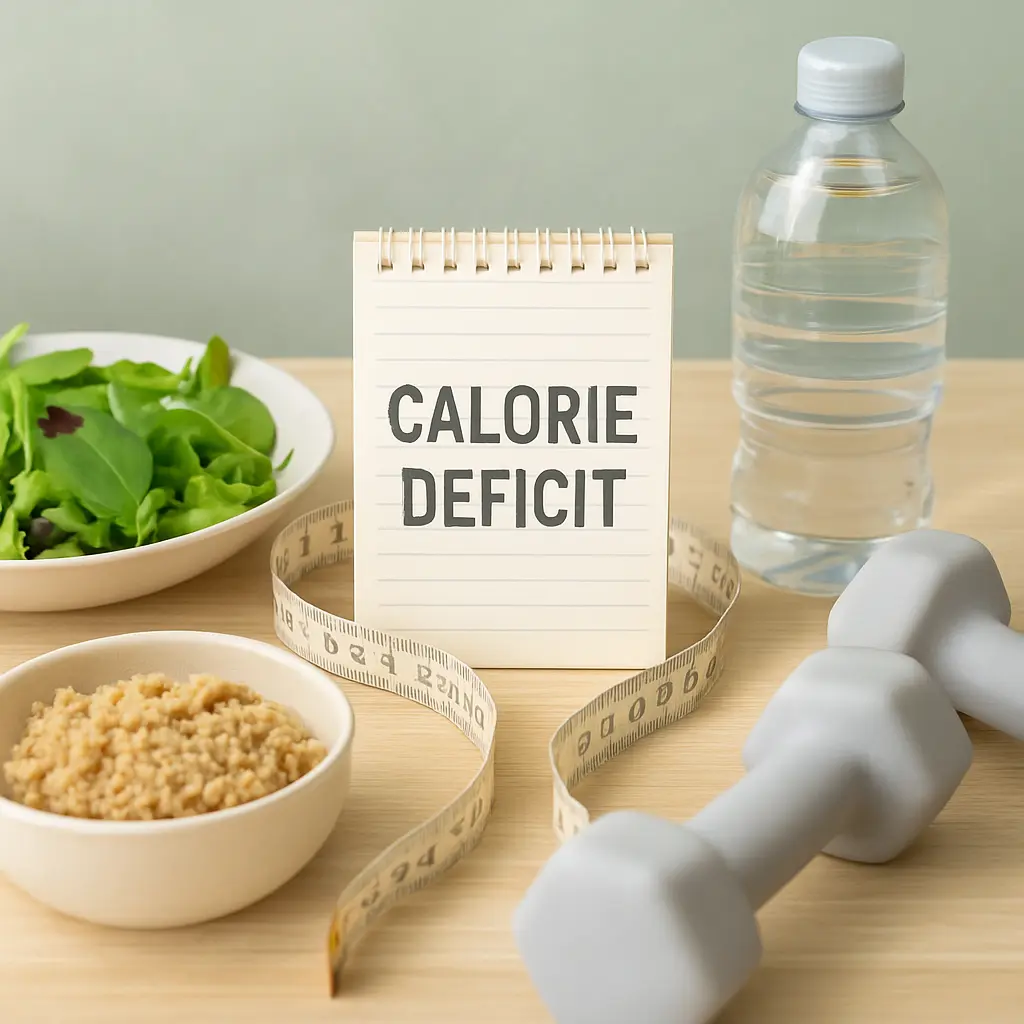
This article delves into the multifaceted strategy required to achieve an effective calorie deficit for weight loss. From optimizing dietary habits to incorporating exercise routines, and the potential role of fat burners, we will explore how each element contributes to shedding excess weight. Our focus will also include the safety and balanced perspectives necessary when considering supplements and lifestyle changes.

Understanding the concept of a calorie deficit is fundamental for those seeking weight loss. A calorie deficit occurs when the energy expenditure exceeds the calorie intake. This imbalance forces the body to utilize stored fat as an energy source, promoting weight loss. The science behind weight loss underscores the importance of a well-rounded strategy that includes a healthy diet and physical activity.To effectively create a calorie deficit, it’s essential to comprehend the body’s basal metabolic rate (BMR), which is the number of calories the body requires at rest to maintain essential physiological functions. Exercise and physical activity increase the total daily energy expenditure, thus contributing to the creation of a calorie deficit. Additionally, the thermic effect of food (TEF), which is the energy used to digest and metabolize food, plays a role, albeit smaller, in the overall energy balance.
Creating a plan that incorporates both dietary adjustments and physical exercise can accelerate the weight loss process. A high-protein and high-fiber diet is particularly effective. Protein helps preserve muscle mass while boosting the thermic effect during digestion, so more calories are expended in the process. Fiber, on the other hand, aids in maintaining stable blood glucose levels and prolongs satiety, helping with appetite control.Incorporating a varied exercise regimen that balances strength training with aerobic exercises is key. Strength training induces muscle microtrauma, which requires significant energy for repair and recovery, thereby enhancing the calorie deficit. Aerobic exercises, known for their high caloric burn, are instrumental in reducing body fat and improving cardiovascular health. While exercise is not strictly necessary to lose weight, it can significantly expedite the process and improve body composition by increasing muscle mass.
A weight loss diet rich in protein not only aids in muscle retention but also increases energy expenditure due to the high thermic effect of protein. Sources of protein include lean meats, fish, eggs, dairy, and plant-based options such as legumes and tofu. Meanwhile, dietary fiber, found in whole grains, vegetables, fruits, and legumes, supports weight loss by promoting fullness and regulating insulin response.The role of macronutrient ratios should also be considered. Balancing carbohydrates, fats, and proteins can help manage hunger and provide essential nutrients without excessive caloric intake. It’s also crucial to focus on micronutrient-rich foods to ensure that the body receives the vitamins and minerals necessary for optimal health during weight loss.
A comprehensive exercise program that combines both aerobic and strength training exercises optimizes weight loss. Aerobic activities, such as running, cycling, or swimming, are effective for burning calories and improving cardiovascular health. These exercises can vary in intensity and can be adapted to individual fitness levels.Strength training is equally important as it builds muscle, which can increase resting metabolic rate over time. This includes exercises such as weightlifting, resistance band exercises, and bodyweight exercises like squats and push-ups. While combining both types of exercise is ideal, even modest physical activity can enhance weight loss efforts by increasing overall energy expenditure.For those unable to perform structured workouts, integrating spontaneous physical activities, such as walking or using stairs, can still contribute significantly to creating a calorie deficit.
Fat burners, which are supplements designed to enhance fat loss, can play a supportive role for some individuals. These supplements often contain bioactive ingredients like caffeine, green tea extract, and L-carnitine, which may impact metabolism and appetite. However, their efficacy can vary, and they should not replace the fundamental strategies of diet and exercise.Caffeine is known for reducing fatigue and potentially increasing activity levels, which can contribute to higher calorie burn. Green tea extract, rich in antioxidants such as EGCG, may aid in weight loss by enhancing metabolic rate and fat oxidation. L-carnitine facilitates the transport of fatty acids into mitochondria for energy production, though its effectiveness is heightened when coupled with physical activity.It’s important to approach the use of fat burners with caution. While they can aid in achieving a calorie deficit, they should be used as a complementary strategy to a well-rounded plan.
Safety and a balanced perspective are crucial when considering weight loss strategies, particularly regarding supplements like fat burners. It’s essential to consult with healthcare professionals before starting any supplement regimen, especially for individuals with pre-existing health conditions or those taking medications.Relying solely on supplements without addressing dietary habits and physical activity is unlikely to yield sustainable results. A successful weight loss journey involves making permanent lifestyle changes, focusing on nutritious eating, regular exercise, and behavioral adjustments to support long-term maintenance of a healthy weight.Amidst the myriad of weight loss strategies, it’s important to remember that individual responses can vary. What works for one person may not work for another. Therefore, it’s vital to personalize the approach to align with individual goals, preferences, and health statuses.In conclusion, achieving a calorie deficit for effective weight loss requires a comprehensive strategy that combines dietary improvements, exercise, and, potentially, the judicious use of supplements. This multifaceted approach ensures not only the loss of weight but also the enhancement of overall health and well-being, paving the way for a sustainable lifestyle transformation.


