
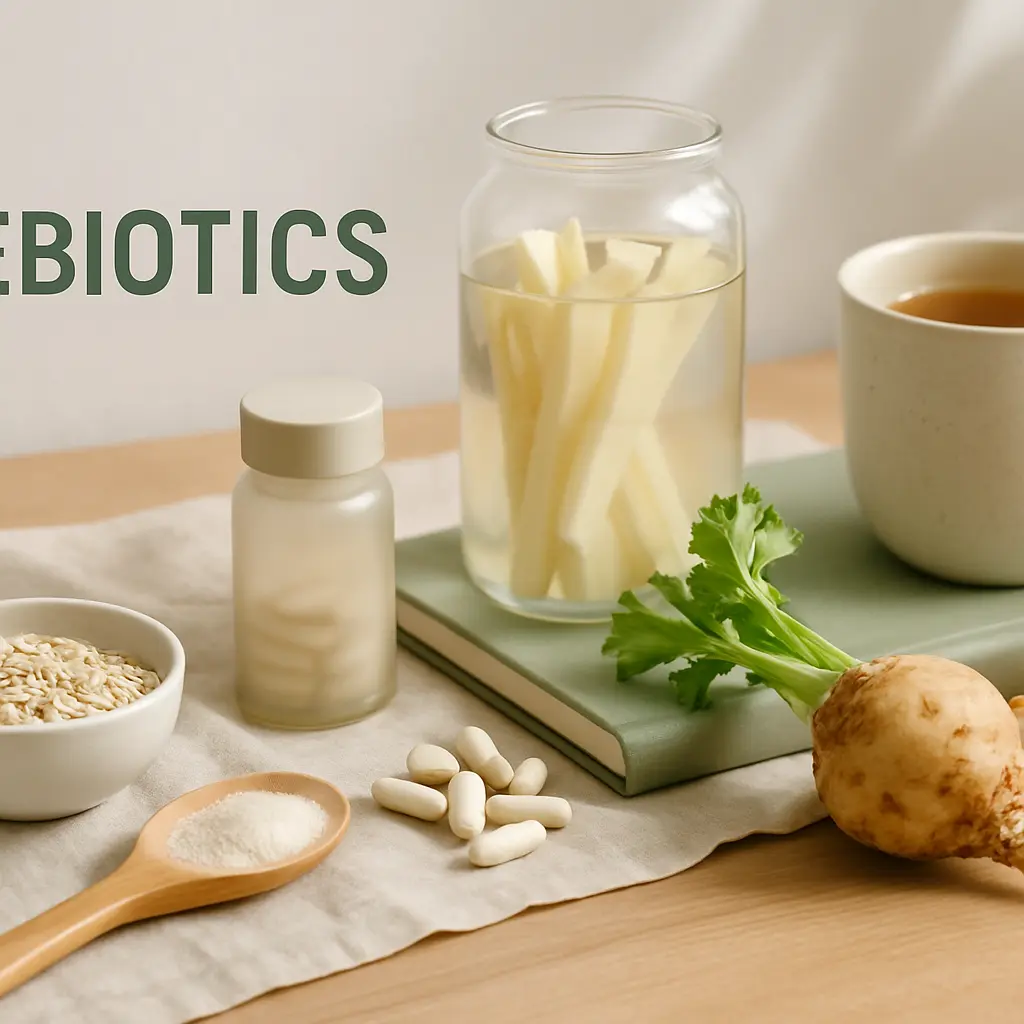
The Role of Prebiotics and Inulin in Gut Health
In this page
Probiotics and prebiotics have become household names in the realm of digestive health, and rightfully so. These substances play a crucial role in maintaining a balanced gut microbiome, which is essential for not only digestive health but overall well-being. This article delves into the specifics of prebiotics, focusing on their types, chemical structures, and the unique properties of inulin, a standout prebiotic. We will explore the applications of inulin in diet and its impact on health, supported by scientific research and practical use cases.

Scientific Background and General Context
The human gut is home to trillions of microorganisms, including bacteria, viruses, and fungi, collectively known as the gut microbiota. This complex ecosystem is crucial for numerous bodily functions, such as digestion, nutrient absorption, and immune system functioning. A healthy balance of these microorganisms is essential for optimal health, and this is where prebiotics and probiotics come into play.Probiotics are live microorganisms that, when consumed in adequate amounts, provide health benefits to the host. These are commonly found in fermented foods like yogurt, sauerkraut, and kimchi. On the other hand, prebiotics are non-digestible food components that promote the growth and activity of beneficial microorganisms in the gut. Unlike probiotics, prebiotics are not live bacteria but serve as nourishment for the beneficial bacteria already present in the gut.A well-balanced diet incorporating both probiotics and prebiotics helps maintain the equilibrium of the gut microbiome, thereby supporting digestive health, enhancing the immune response, and even influencing mental health through the gut-brain axis.
Types of Prebiotics
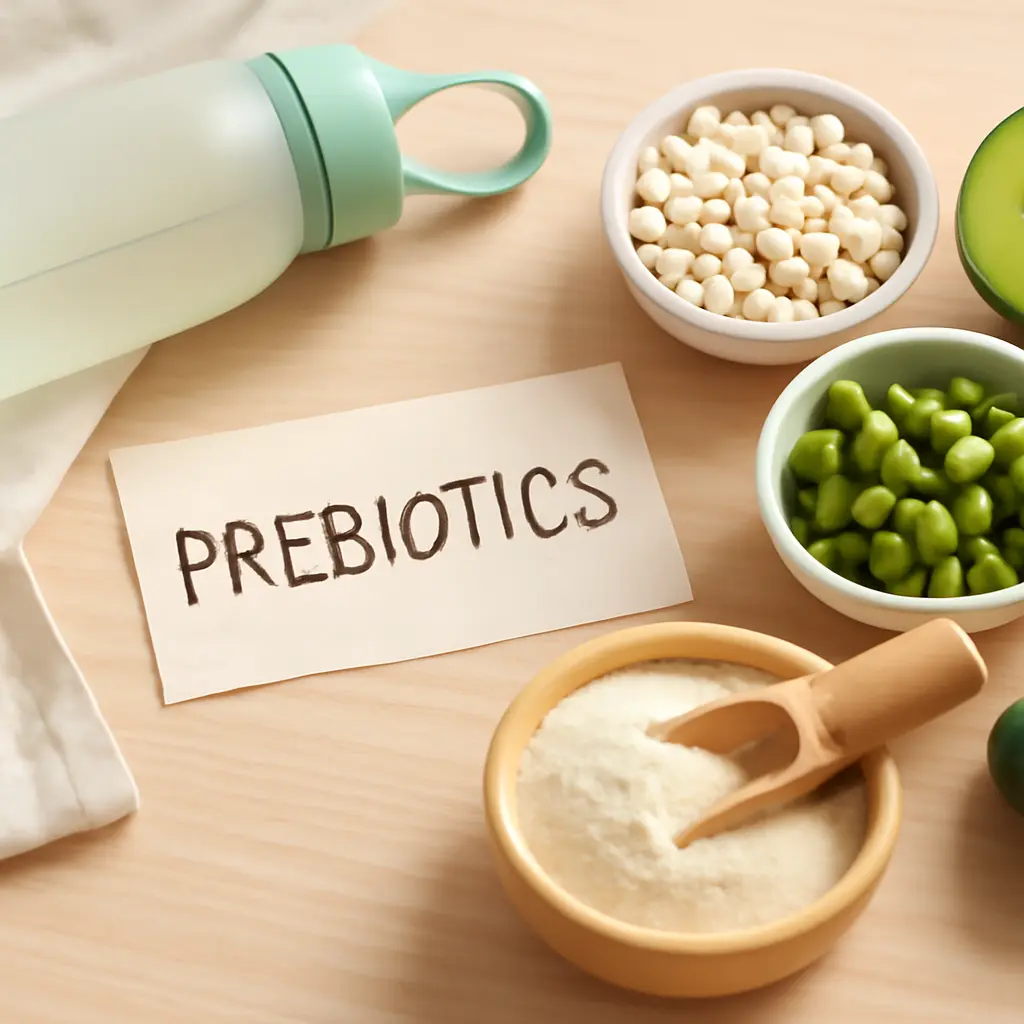
Prebiotics are a diverse group of compounds, mainly consisting of polysaccharides and oligosaccharides that resist digestion in the human gastrointestinal tract. Among the noteworthy types of prebiotics are:
- Fructooligosaccharides (FOS): These are short chains of fructose molecules found in foods like bananas, onions, wheat, and asparagus. They ferment quickly, supporting bacteria in the upper parts of the large intestine.
- Galactooligosaccharides (GOS): Made of short chains of galactose, GOS are primarily found in milk and dairy products. They are known for their ability to stimulate bifidobacteria growth.
- Resistant Starch: Present in green bananas, potatoes, and legumes, resistant starches are starch fractions that escape digestion in the small intestine.
- Beta-Glucans: Soluble fibers found in oats, barley, and some mushrooms, which have immunomodulatory properties.
- Inulin: As a polysaccharide consisting of long chains of fructose, inulin is a prominent prebiotic found in chicory root, onions, garlic, and leeks.
Each type of prebiotic has a unique chemical structure that influences its fermentation rate and the specific sections of the gut it benefits.
The Role of Prebiotic Structure
The chemical structure of prebiotics is pivotal in determining their biological activity. Short-chain prebiotics such as FOS and GOS are rapidly fermented by gut bacteria, promoting growth in the proximal colon. In contrast, longer-chain prebiotics like inulin are broken down more slowly, providing a sustained release of short-chain fatty acids (SCFAs) in the distal colon.
Understanding Different Prebiotics
| Type of Prebiotic | Chemical Structure | Natural Sources |
|---|---|---|
| Inulin | Long-chain fructose polysaccharide | Chicory root, onions, garlic, leeks |
| Fructooligosaccharides (FOS) | Short-chain fructose | Bananas, onions, wheat, asparagus |
| Galactooligosaccharides (GOS) | Short-chain galactose | Milk, dairy products, legumes |
| Resistant Starch | Non-digestible starch fractions | Green bananas, potatoes, legumes |
| Beta-Glucans | Soluble polysaccharides | Oats, barley, mushrooms |
Unique Properties of Inulin
Inulin stands out among prebiotics due to its long-chain fructose composition linked by β-2,1-glycosidic bonds. This structural uniqueness prevents its digestion in the small intestine, allowing it to reach the large intestine intact, where it becomes a substrate for probiotic bacteria.Inulin fermentation results in the production of SCFAs such as butyrate, acetate, and propionate, which play vital roles in maintaining gut health. These SCFAs serve as energy sources for colonocytes, the cells lining the colon, and help regulate inflammation within the gut.
Inulin in the Kitchen
The culinary and industrial applications of inulin are extensive. Due to its ability to mimic the texture of fat and sugar, inulin is used as a substitute in various food products, including baked goods, plant-based beverages, and low-calorie sweet treats. Its gel-forming and texturizing properties enhance the sensory quality, stability, and shelf life of foods.Inulin’s versatility makes it a popular ingredient in low-carb diets, where it can be combined with other low-calorie options like konjac noodles and protein isolates to create filling, nutritious meals without excessive caloric intake.
Inulin in Research
Clinical studies have demonstrated that chicory-derived inulin supplementation supports the proliferation of beneficial gut bacteria, particularly Bifidobacterium species, thereby improving the gut microbiome. Consuming 3 to 20 grams of inulin daily over a period of at least a week has shown positive health effects, including improved gut health across various age groups.Inulin intake is associated with regular bowel movements and increased production of SCFAs, contributing to the nourishment and protection of intestinal epithelial cells. Moreover, research suggests that inulin may aid in weight management. A comprehensive review found that regular inulin supplementation was linked to significant reductions in body weight, body mass index (BMI), fat mass, and waist circumference, with more pronounced effects over prolonged usage.
Daily Use and Lifestyle Applications
Incorporating inulin into your daily diet can be relatively easy, given its presence in many common foods. Adding it to smoothies, yogurt, or oatmeal can seamlessly enhance your fiber intake. For those seeking weight management or looking to support their digestive health, inulin supplementation can be a practical addition to a balanced diet.However, it’s essential to introduce inulin gradually, as excessive intake may lead to digestive discomfort such as bloating or gas, especially in individuals not accustomed to high fiber diets.
Balanced Perspective and Safety
While inulin offers numerous health benefits, it’s crucial to maintain a balanced perspective on its consumption. Individuals with specific gastrointestinal conditions should consult healthcare professionals before significantly increasing inulin intake, as it may not be suitable in certain health scenarios.As with any dietary component, moderation is key. Striking the right balance between prebiotics, probiotics, and a varied diet rich in whole foods will promote overall health and well-being.


