
Exploring the Health Potential of Cistus: A Mediterranean Marvel
In this page
Cistus, commonly known as rockrose, is a genus of flowering plants predominantly found in the Mediterranean region. This plant has a rich history of use in traditional medicine and has garnered attention for its potential health benefits. While modern research is still unraveling its full potential, cistus is celebrated for its antioxidant properties and possible applications in supporting immune health. This article delves into the scientific background of cistus, its traditional uses, potential health benefits, and considerations for safe usage.

Scientific Background and General Context
Cistus, a genus belonging to the Cistaceae family, comprises several species that thrive in the sunny, dry environments of the Mediterranean basin. These plants are often recognized by their woody stems, lush foliage, and striking flowers that range in color from white to vibrant pink and purple. The natural resilience of cistus, growing in harsh conditions, has piqued the interest of scientists and health enthusiasts alike.One of the most notable features of cistus is its rich phytochemical profile. The plant is abundant in polyphenols, terpenes, and essential oils, which are believed to contribute to its potential health benefits. Polyphenols, in particular, are well-documented for their antioxidant properties, helping to neutralize free radicals and reduce oxidative stress in the body. This characteristic makes cistus a candidate for supporting overall health and wellness.

Historical Use of Cistus
Cistus has been used for centuries in various cultural and medicinal contexts. The ancient Greeks and Romans utilized cistus in different forms, including infusions and macerations, acknowledging its soothing properties. A particular type of cistus, Cistus ladanifer, was prized for its resin, ladanum, which played an essential role in religious ceremonies and was employed in early medicinal practices.In the Arabian world, the aromatic qualities of cistus made it a popular ingredient in perfumes and cosmetics. The plant’s fragrant leaves were also burned as incense, contributing to spiritual and cultural rituals. Such diverse applications underscore the historical significance and multifaceted utility of cistus across different civilizations.
Distinct Varieties of Cistus
There are several notable species of cistus, each with unique characteristics:- **Cistus albidus**: Known for its pink flowers, this species is prevalent in Spain and France, growing to a height of about 2-5 feet. It contains active compounds like polyphenols and terpenes. – **Cistus ladanifer**: This variety features white flowers with a distinctive red center and is found in Portugal and Spain. It can grow up to 8 feet tall and is known for producing labdanum, along with terpenes and flavonoids. – **Cistus incanus**: With pink flowers, this species is common in the Balkans, Turkey, and Greece, reaching heights of about 3 feet. It is rich in bioflavonoids, polyphenols, and essential oils.
Daily Use and Lifestyle Applications
Cistus can be incorporated into daily wellness routines in various forms, each offering distinct advantages:
Herbal Infusions
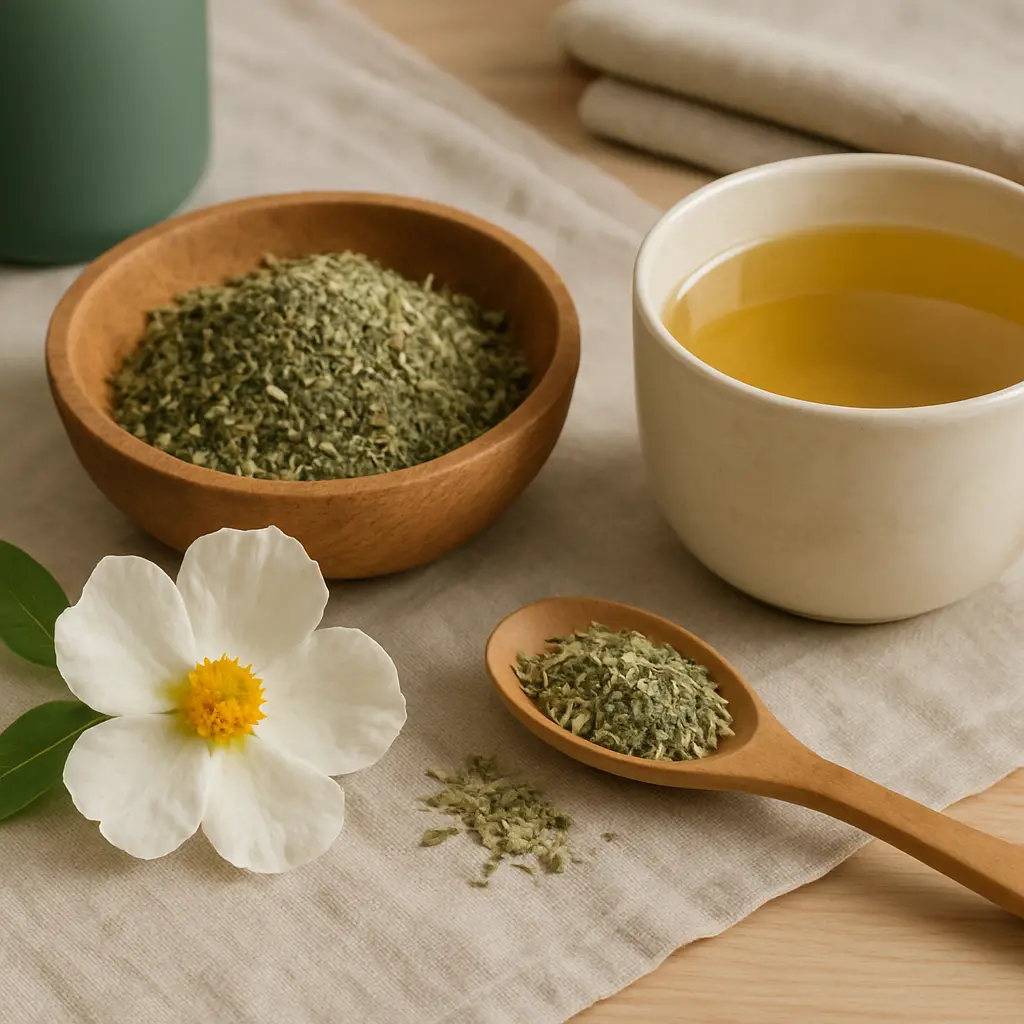
The most traditional method of consuming cistus is through herbal infusions or teas. To prepare, steep a teaspoon of dried cistus leaves and flowers in boiling water for 5-10 minutes. This method allows for the gentle extraction of beneficial compounds, providing a comforting and flavorful beverage that can be consumed daily.
Extracts and Capsules
For those seeking convenience, cistus is available in the form of extracts and capsules. These products offer standardized dosages, making it easier to incorporate cistus into a supplement regimen. Users can enjoy the potential benefits of cistus without the need for preparation, ideal for busy lifestyles.
Herbal Blends
Cistus is also a common component in herbal blends, often paired with ingredients like horsetail, lemon balm, and chamomile. These blends are crafted to enhance the flavor and aroma of cistus while providing a harmonious range of health benefits, such as supporting relaxation or digestion.
Potential Health Benefits of Cistus
While the historical and anecdotal use of cistus suggests various health benefits, modern scientific research is working to validate these claims through rigorous studies. Here are some of the potential benefits being explored:
Antioxidant Properties
Cistus’s high polyphenol content endows it with robust antioxidant capabilities. Antioxidants are crucial for maintaining cellular health by protecting against oxidative damage, which may reduce the risk of chronic diseases and age-related conditions.
Immune Support
The plant’s potential immunomodulatory effects have been of interest to researchers. The bioactive compounds in cistus may help modulate the immune system, potentially aiding in the body’s defense against infections and illnesses. However, additional research is needed to confirm these effects in human populations.
Anti-inflammatory Effects
Some studies have indicated that cistus may possess anti-inflammatory properties. This could make it a supportive agent in managing conditions characterized by inflammation. The terpenes and flavonoids in cistus contribute to its potential as an anti-inflammatory supplement.
Balanced Perspective and Safety
While cistus presents exciting possibilities, it is essential to approach its use with a balanced perspective. Despite promising preliminary findings, the scientific basis of cistus’s health benefits relies heavily on in vitro studies and animal models. Human clinical trials are sparse, warranting caution in extrapolating results.
Considerations for Use
Individuals interested in incorporating cistus into their health regimen should consult healthcare professionals to ensure its suitability, especially those with pre-existing medical conditions or those taking medications. The interaction between cistus and other substances remains an area of active research, emphasizing the need for medical guidance.
Potential Side Effects
Although cistus is generally considered safe for most people when consumed in moderate amounts, potential side effects can include gastrointestinal discomfort or allergic reactions in sensitive individuals. Monitoring the body’s response when introducing new herbal supplements is vital.
Conclusion
Cistus is a fascinating plant with a rich history and potential health benefits that merit further investigation. While it offers promising antioxidant and immune-supportive properties, comprehensive clinical research is necessary to substantiate its therapeutic claims fully. As more studies emerge, cistus may find its place among valued natural health supplements. For now, it remains a vital component of traditional practices, offering a glimpse into the power of nature in supporting health and well-being.


