Let's Shape The Future Of Your Investments!
Natoque iaculis cursus augue urna commodo aptent morbi tortor porttitor quis ornare.

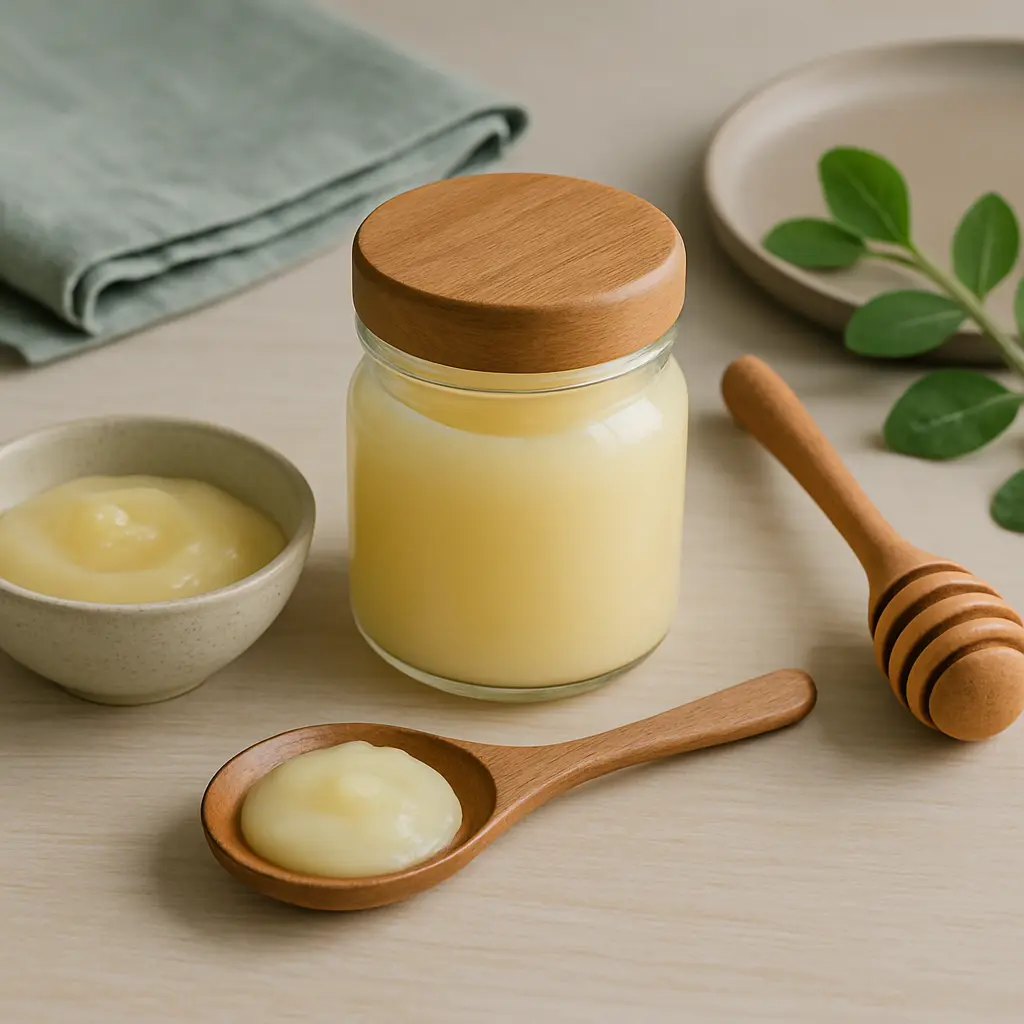
Royal jelly, often referred to as “bee milk,” is a unique secretion produced by honeybees and plays a crucial role in the life of the queen bee. It is a highly nutritious substance that has garnered interest for its potential health benefits. This article delves into the composition, production, and potential applications of royal jelly in daily life, as well as examining the scientific background and potential health benefits associated with its use.

Bees are fascinating creatures that contribute significantly to the ecosystem through pollination. Beyond their role in producing honey, bees produce several other beneficial substances, including bee pollen, propolis, beeswax, and royal jelly. Royal jelly, in particular, stands out due to its complex nutritional profile, which supports the growth and development of the queen bee, enabling her to live significantly longer and be more fertile than worker bees.
Royal jelly is produced by young worker bees and is used to nurture both the larvae and the queen bee. Its production within a hive requires meticulous care, as it involves a delicate balance of the hive’s internal environment. This unique substance contains a rich mix of proteins, vitamins, and fatty acids, which contribute to its wide array of potential health benefits being explored by scientists worldwide.

Royal jelly is renowned for its rich nutritional content, which includes proteins, lipids, sugars, vitamins, and minerals. It contains significant amounts of vitamin B5 (pantothenic acid) and vitamin B6 (pyridoxine), along with trace elements like zinc. A key component of royal jelly is 10-hydroxy-2-decenoic acid (10-HDA), a fatty acid that is believed to have antibacterial, anti-inflammatory, and possibly anti-cancer properties.
| Nutrient | Content per 3.5 oz (100 g) |
|---|---|
| Protein | 12 – 15 g |
| Fats | 3 – 6 g |
| Carbohydrates | 10 – 15 g |
| Vitamin B5 (Pantothenic acid) | 3 – 9 mg |
| Zinc | 1 – 3 mg |
These nutrients play various roles in health maintenance, from supporting metabolic processes to aiding the immune system. The presence of antioxidants, such as flavonoids and enzymes, helps protect cells from oxidative stress, which is associated with aging and many chronic diseases.
Research has explored royal jelly’s potential to support muscle regeneration, particularly after strenuous physical activity. The antioxidants present in royal jelly can reduce oxidative stress, which increases during intense exercise. Some studies suggest that regular consumption of royal jelly may help lower blood lactate levels and improve autonomic heart regulation, which is beneficial for athletes and those engaging in endurance sports.
Royal jelly’s anti-inflammatory properties are attributed to its ability to modulate key signaling pathways involved in inflammation and oxidative stress. Preclinical studies have shown that royal jelly can influence pathways such as NF-κB, MAPK, and AMPK, which play roles in reducing inflammation and metabolic regulation. Its potential anti-cancer effects, especially regarding hormone-dependent cancers like breast cancer, are being studied. The 10-HDA in royal jelly may interact with estrogen receptors, potentially lowering the risk of hormone-dependent cancers.
Royal jelly is also valued in the skincare industry for its regenerative and moisturizing properties. It is used in anti-aging products to support collagen production and accelerate skin repair processes. The bioactive compounds in royal jelly help maintain skin elasticity and hydration, making it a popular ingredient in cosmetic formulations aimed at reducing the signs of aging.
While royal jelly can be consumed fresh, it is often available in lyophilized (freeze-dried) form, as powder, or in capsules and tablets. The freeze-drying process helps preserve most of its bioactive components, making it a convenient dietary supplement. Individuals interested in incorporating royal jelly into their wellness routine should consider starting with small doses and gradually increasing the amount, monitoring for any allergic reactions.
Incorporating royal jelly into a balanced diet can be part of a holistic approach to health, complementing other nutrient-rich foods and lifestyle practices like regular physical activity and adequate rest. Those with specific health conditions or allergies should consult healthcare professionals before adding royal jelly to their diet.
Although royal jelly offers several potential health benefits, it is essential to approach its use with a balanced perspective. Scientific research on its effects is ongoing, and while some studies have shown promising results, more extensive human trials are necessary to fully understand its therapeutic potential. Moreover, individuals allergic to bee products should avoid royal jelly to prevent adverse reactions.
In conclusion, royal jelly is a remarkable natural substance with a rich nutritional profile and a range of potential health benefits. Whether used as a supplement or in skincare products, it holds promise for enhancing overall well-being. However, its use should be grounded in scientific evidence, and individuals should remain informed about both its benefits and limitations.


