
The Essential Role of Vitamin K in Health and Wellness
In this page
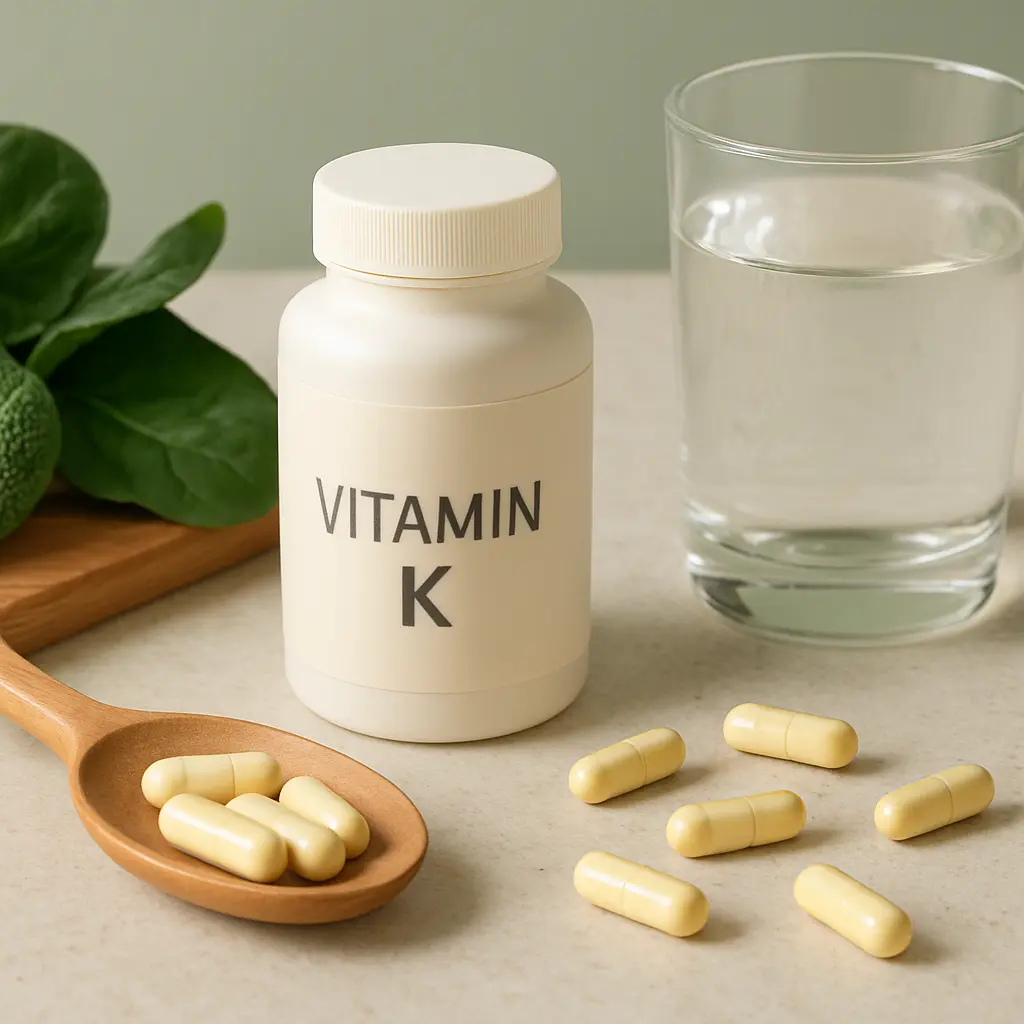
Vitamin K, a vital nutrient, plays a crucial role in maintaining overall health by supporting blood clotting, cardiovascular function, and bone metabolism. This fat-soluble vitamin is primarily obtained from dietary sources and is essential for various biochemical processes. In this article, we delve into the significance of vitamin K, exploring its functions, sources, potential deficiencies, and its synergistic relationships with other nutrients. Understanding the importance of vitamin K can help foster a balanced and healthy lifestyle.

Scientific Background and General Context
Vitamin K refers to a group of fat-soluble vitamins, including vitamin K1 (phylloquinone) and vitamin K2 (menaquinone). Vitamin K1 is predominantly found in green leafy vegetables, while K2 is present in fermented foods and animal products. Both forms play pivotal roles in the body, although they are often discussed interchangeably.The primary function of vitamin K is to aid in blood coagulation. It activates proteins that are essential for blood clotting, a crucial process that prevents excessive bleeding when injuries occur. Additionally, vitamin K is involved in bone health by aiding in the regulation of calcium, ensuring it is deposited in bones rather than arteries. This function not only supports skeletal strength but also helps maintain cardiovascular health by preventing arterial calcification.Vitamin K is stored in the liver and other body tissues, and as a fat-soluble vitamin, it requires dietary fats for optimal absorption. This characteristic is shared with other fat-soluble vitamins such as A, D, and E.
Role of Vitamin K in the Body
Blood Clotting
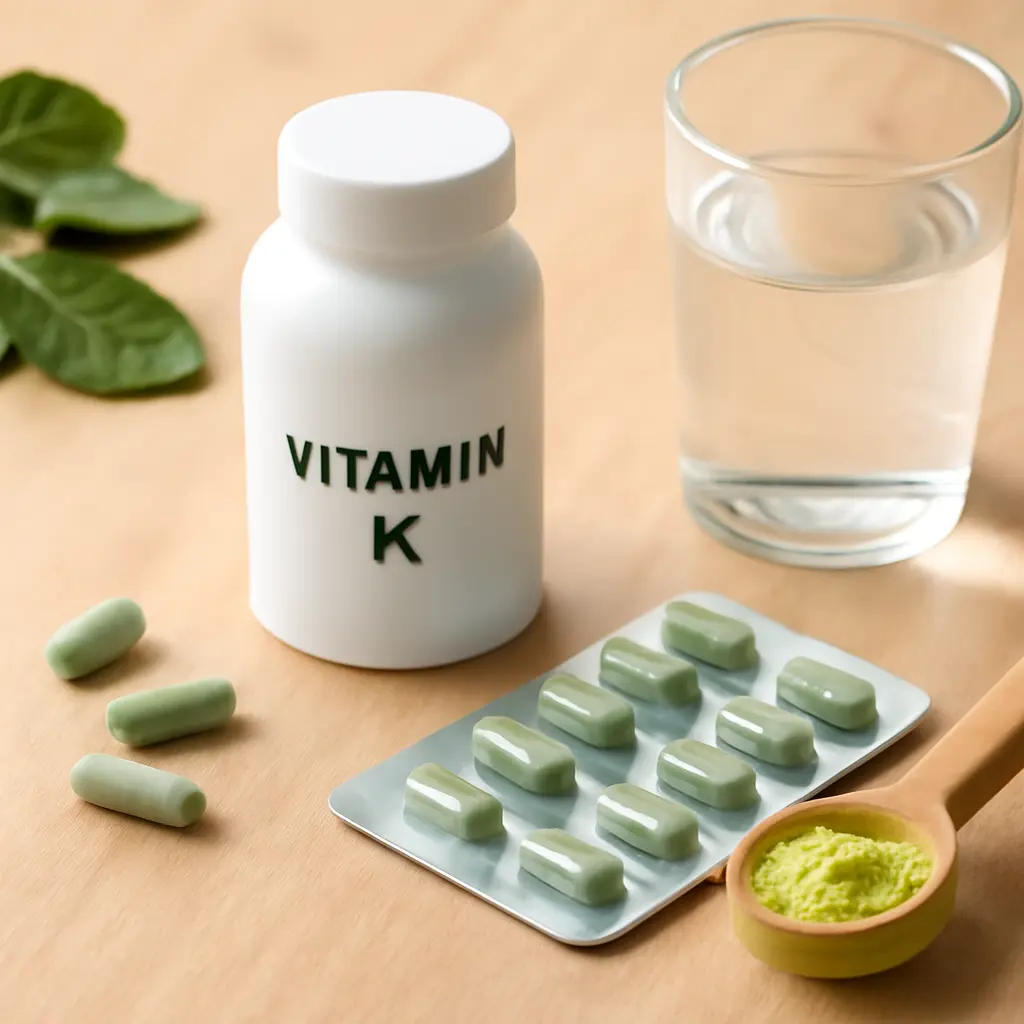
One of the most crucial roles of vitamin K in the human body is its involvement in the blood clotting process. Vitamin K acts as a cofactor for the enzyme gamma-glutamyl carboxylase, which modifies specific proteins required for blood coagulation. This process ensures that bleeding is controlled and that wounds can heal properly, preventing excessive blood loss.Individuals with vitamin K deficiency may experience issues with bleeding and bruising, emphasizing the importance of adequate vitamin K intake for maintaining hemostatic balance.
Bone Health
Vitamin K plays a significant role in bone metabolism. It supports the carboxylation of osteocalcin, a protein essential for binding calcium to the bone matrix. This process enhances bone density and strength, reducing the risk of fractures and osteoporosis, particularly in older adults and postmenopausal women who are more prone to bone density loss.Research indicates that vitamin K, particularly K2, may improve bone mineral density and lower the incidence of fractures, highlighting its importance in skeletal health.
Cardiovascular Health
Vitamin K’s role in regulating calcium metabolism extends to cardiovascular health. By ensuring calcium is directed to bones rather than blood vessels, vitamin K helps prevent arterial calcification, a risk factor for cardiovascular disease. This protective mechanism supports vascular health and reduces the potential for heart disease and related complications.Emerging research suggests that adequate intake of vitamin K may contribute to a lower risk of developing coronary artery disease, although further studies are needed to confirm these findings.
Potential Anticancer Effects
Some studies have explored the potential anticancer properties of vitamin K, particularly vitamin K2. It may play a role in inhibiting the growth of cancer cells by promoting apoptosis, or programmed cell death, and reducing inflammation. While these findings are promising, more research is necessary to determine the extent of vitamin K’s impact on cancer prevention and treatment.
Sources of Vitamin K
Vitamin K is abundantly available in a variety of foods, making it relatively easy to obtain through a balanced diet. Here are some of the primary dietary sources:
- Green Leafy Vegetables: Spinach, kale, and broccoli are excellent sources of vitamin K1.
- Fermented Foods: Natto, a traditional Japanese dish made from fermented soybeans, is rich in vitamin K2.
- Animal Products: Cheese, egg yolks, and liver provide vitamin K2.
- Vegetable Oils: Soybean and canola oils contain vitamin K1.
To enhance the absorption of vitamin K, it is beneficial to consume these foods with dietary fats, such as olive oil or avocados.
Consequences of Vitamin K Deficiency
While vitamin K deficiency is relatively rare in healthy adults, certain populations may be at increased risk. These include individuals with malabsorption disorders, those on prolonged antibiotic therapy, and newborns who have low vitamin K stores at birth.Symptoms of vitamin K deficiency can include easy bruising, bleeding gums, nosebleeds, and excessive bleeding from wounds or surgical sites. In severe cases, it can lead to excessive bleeding and hemorrhage.To prevent deficiency, it is crucial to consume adequate amounts of vitamin K through diet, particularly for those at higher risk. In some cases, healthcare professionals may recommend supplementation.
Daily Use and Lifestyle Applications
Incorporating vitamin K-rich foods into daily meals can help ensure adequate intake. Making a conscious effort to include green leafy vegetables, fermented foods, and animal products in the diet can support overall health and wellness.For athletes, vitamin K’s role in bone health and cardiovascular support can be particularly beneficial. Strengthening bones and maintaining heart health are essential components of athletic performance and recovery.Individuals undergoing specific medical treatments or those with dietary restrictions should consult healthcare professionals to tailor their vitamin K intake to their unique needs.
Balanced Perspective and Safety
While vitamin K is essential for health, it is crucial to maintain a balanced perspective and avoid excessive intake. Individuals on anticoagulant medications, such as warfarin, should manage their vitamin K intake carefully, as fluctuations can affect medication efficacy. Consistency in dietary vitamin K intake is key for these individuals, and any supplementation should be supervised by a healthcare professional.Overall, vitamin K is a vital nutrient that contributes to various aspects of health, from blood clotting to bone and cardiovascular health. By understanding its importance and incorporating it into a well-rounded diet, individuals can harness the benefits of vitamin K to support their overall well-being.


