
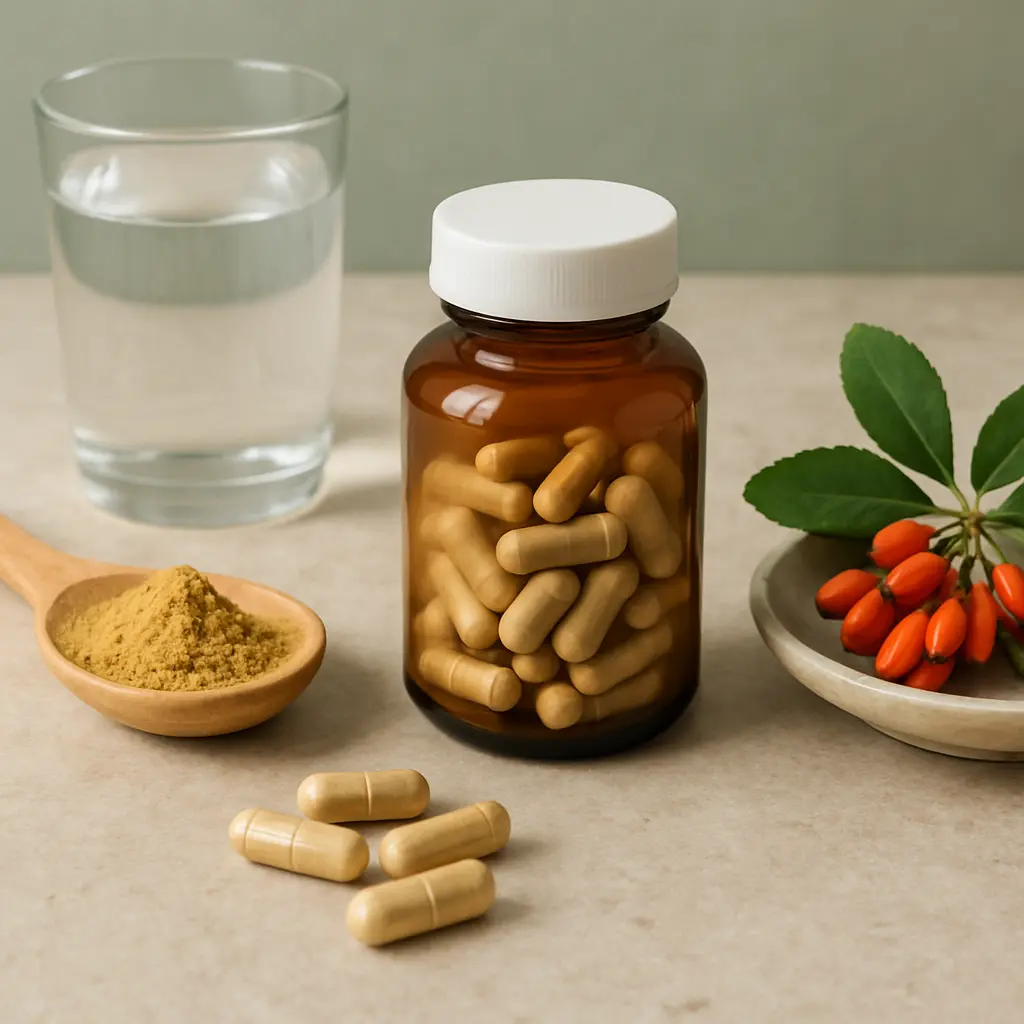
Exploring the Health Benefits of Berberine: An In-Depth Look
In this page
Berberine, a naturally occurring compound found in various plants, has gained significant attention for its potential health benefits. This article delves into the properties and effects of berberine, examining its role in managing blood sugar levels, aiding in weight loss, and its impact on muscle health. We will also explore the optimal forms of berberine, appropriate dosing, and potential side effects, providing a balanced perspective rooted in scientific understanding.
Scientific Background and General Context
Berberine is a bioactive compound extracted from a range of plants, including the barberry family. Historically, these plants have been used for their medicinal properties, with berberine being a central active ingredient. Belonging to the alkaloid family, specifically the isoquinoline alkaloids, berberine is found in plants such as Berberis vulgaris (European barberry), Hydrastis canadensis (goldenseal), and Coptis chinensis (Chinese goldthread).Research suggests that berberine influences various biological pathways, providing a broad spectrum of health benefits. It is not classified as an essential nutrient but is recognized for its potential to support overall health and wellbeing. The interest in berberine has surged, primarily due to its effects on metabolism and its potential as a supportive therapy in managing chronic diseases.
Health Benefits of Berberine
Blood Sugar Regulation
Berberine is most renowned for its ability to lower blood sugar levels. This effect was first noted in the late 1980s when diabetic patients experienced reduced blood sugar while using berberine for diarrhea. Subsequent studies have consistently supported berberine’s hypoglycemic properties, suggesting it may work similarly to metformin, a widely used diabetes medication. Berberine activates an enzyme called AMP-activated protein kinase (AMPK), which plays a crucial role in energy balance and glucose regulation in the body.
Cholesterol and Heart Health
In addition to its impact on blood sugar, berberine has shown promise in improving lipid profiles and reducing cardiovascular risk factors. Studies indicate that berberine can lower total cholesterol, triglycerides, and LDL cholesterol (the “bad” cholesterol) while increasing HDL cholesterol (the “good” cholesterol). These changes can contribute to improved cardiovascular health and reduced risk of heart disease.
Weight Management
The potential of berberine for weight loss has been explored through various studies. A meta-analysis of clinical trials found that berberine supplementation led to significant reductions in body weight, body mass index (BMI), and waist circumference. The compound may contribute to weight management by improving insulin sensitivity and regulating fat storage mechanisms.
Antiviral Properties
Berberine also displays antiviral properties, affecting a range of viruses. Research has demonstrated its efficacy against influenza viruses, and current investigations are exploring its impact on coronaviruses. This property may be particularly beneficial for individuals with metabolic conditions that heighten susceptibility to viral infections.
Daily Use and Lifestyle Applications
Berberine and Muscle Health
Some concerns have arisen regarding berberine’s effect on muscle health. Earlier studies on rodents suggested that high doses of berberine could negatively affect muscle protein production and breakdown. However, these studies involved high doses delivered via injection, not oral supplementation.Recent research indicates that berberine’s oral administration primarily influences the gut, activating receptors that play a role in metabolic regulation. This process indirectly supports muscle growth and regeneration rather than causing muscle degradation. Berberine’s activation of intestinal receptors leads to the production of fibroblast growth factor 19 (FGF19), which may promote muscle hypertrophy and regeneration.
Optimal Forms of Berberine
Berberine supplements are commonly available as extracts or as berberine HCL (hydrochloride). Each form has its advantages and drawbacks. Berberine HCL is stable and water-soluble, which may enhance absorption. However, extracts contain additional bioactive compounds that may provide synergistic effects. Dihydroberberine, a derivative found in some extracts, is reportedly more potent than berberine itself, particularly for metabolic processes. The choice between these forms depends on individual health goals and should be guided by professional advice.
Appropriate Dosing
Research suggests that a daily dose of approximately 1,500 mg of berberine, split into three doses of 500 mg, can be effective for blood sugar regulation, comparable to doses of metformin. For general health support, lower doses between 10 to 1,000 mg per day may be sufficient, with intake alongside meals potentially improving absorption.
Balanced Perspective and Safety
Side Effects and Interactions
While generally considered safe, berberine may cause gastrointestinal discomfort in some individuals, manifesting as diarrhea or constipation. These side effects typically resolve with dose adjustment. Due to its potent effects on blood sugar, berberine could interact with diabetes medications, potentially increasing the risk of hypoglycemia.Furthermore, berberine may interact with various drugs, including antibiotics, immunosuppressants, and anticoagulants. It is crucial for individuals on medication to consult healthcare providers before starting berberine supplementation.
Conclusion
Berberine presents a promising natural option for supporting metabolic health, cardiovascular wellness, and weight management. Its broad therapeutic potential, backed by scientific research, makes it a valuable supplement for many. However, as with any supplement, it is essential to use berberine responsibly, considering potential interactions and consulting healthcare professionals to ensure safe and effective use. Through informed application, individuals can harness the benefits of berberine to enhance their health and wellbeing.


