
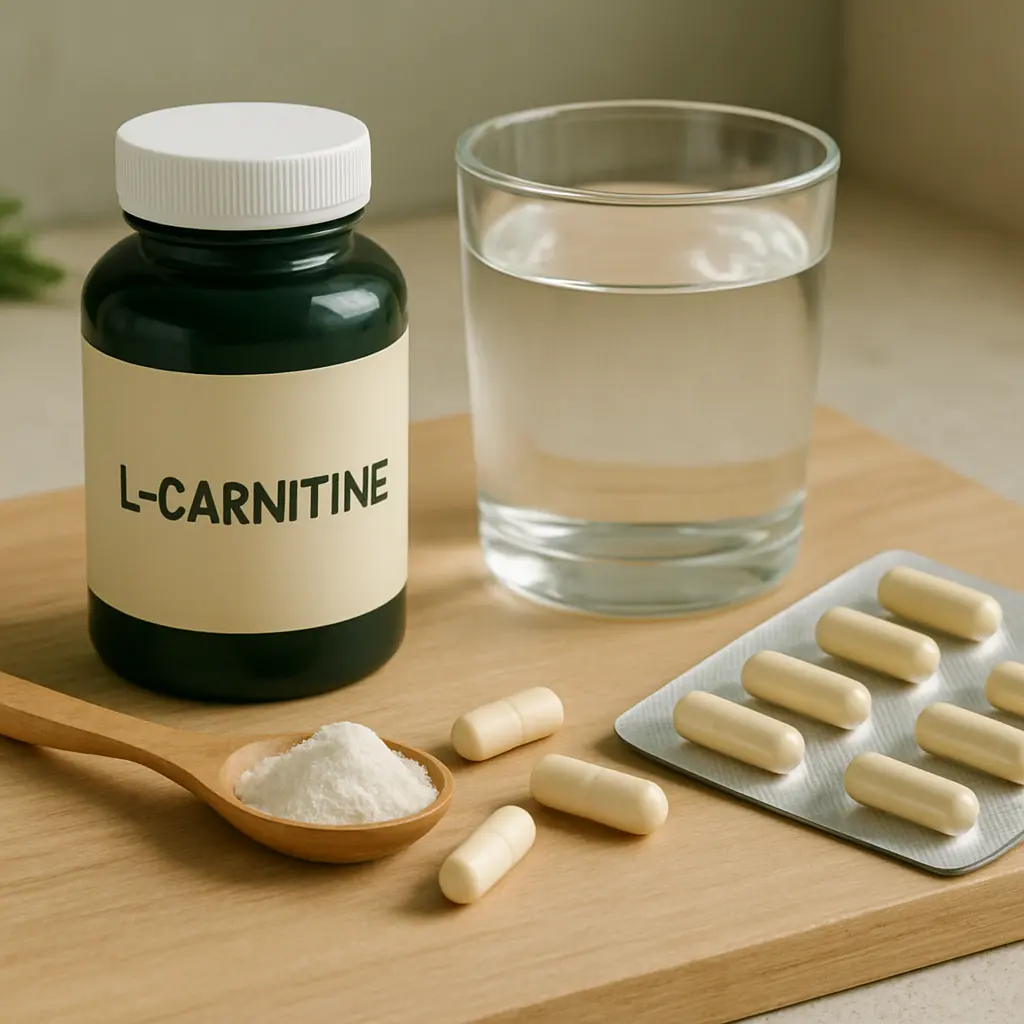
L-Carnitine: Enhancing Physical Performance and Beyond
In this page
L-carnitine is widely recognized in the fitness community for its role in enhancing exercise performance and supporting post-workout recovery. However, its benefits extend beyond sports, impacting metabolic health, cognitive function, and overall well-being. This article explores the multifaceted roles of L-carnitine, its physiological functions, its potential applications in daily life, and considerations for safe and effective use.

Scientific Background and General Context
L-carnitine, a naturally occurring amino acid derivative, plays a crucial role in the production of energy by transporting fatty acids into the mitochondria. These are the powerhouses of cells, where fats are oxidized to create adenosine triphosphate (ATP), the primary energy currency of the body. This process is vital not only during physical exertion but also for general cellular metabolism.Biochemically, L-carnitine is synthesized in the liver and kidneys from the amino acids lysine and methionine. While the body can produce it endogenously, dietary sources such as red meat, fish, and dairy products are also important contributors. For individuals with increased metabolic demands, such as athletes, or those with dietary restrictions, L-carnitine supplementation might be necessary to maintain optimal levels.
Role of L-Carnitine in Exercise Performance
Enhancing Endurance and Reducing Fatigue
One of the primary reasons athletes turn to L-carnitine is its ability to enhance endurance and reduce muscle fatigue. By facilitating the transport of fatty acids into mitochondria, L-carnitine enhances the body’s ability to convert fat into usable energy, delaying the onset of fatigue during prolonged physical activity. This is particularly beneficial for endurance athletes such as marathon runners and cyclists, who can sustain their performance levels for longer periods.Moreover, studies have shown that L-carnitine supplementation can reduce the accumulation of lactic acid in muscles, a byproduct of intense exercise that is associated with fatigue. By buffering lactic acid, L-carnitine not only improves performance but also aids in quicker recovery post-exercise.
Supporting Muscle Recovery
L-carnitine’s role in muscle recovery is another aspect that makes it attractive to those who engage in regular physical training. Muscle soreness, commonly referred to as delayed onset muscle soreness (DOMS), can hinder training progress. L-carnitine helps mitigate this by supporting the repair of muscle tissues and reducing inflammation. It does this by enhancing mitochondrial function, which increases the rate of energy production needed for cellular repair processes.
Cognitive and Neurological Benefits
Beyond physical performance, L-carnitine has been investigated for its potential cognitive benefits. The acetylated form of L-carnitine, known as acetyl-L-carnitine (ALCAR), is particularly noteworthy for its ability to cross the blood-brain barrier, where it supports neurotransmitter synthesis and cognitive function. This includes improved focus, mental clarity, and potentially, protection against neurodegenerative diseases.L-carnitine’s antioxidant properties make it a candidate for neuroprotection, helping to combat oxidative stress and inflammation in the brain. This is of particular interest in the context of aging, as oxidative damage is a key factor in cognitive decline and conditions such as Alzheimer’s and Parkinson’s disease.
Daily Use and Lifestyle Applications
Weight Management and Metabolic Health
The role of L-carnitine in fat metabolism has led to its use as a supplement for weight management. By promoting the oxidation of fatty acids, L-carnitine can potentially enhance weight loss efforts when combined with a balanced diet and regular exercise. It is important to note, however, that while L-carnitine can support fat metabolism, it is not a magic bullet for weight loss and should be part of a holistic lifestyle approach.Additionally, L-carnitine may improve insulin sensitivity, potentially benefiting individuals with metabolic syndrome or type 2 diabetes. Improved insulin sensitivity means the body can more effectively manage blood sugar levels, reducing the risk of complications associated with these conditions.
Supporting Cognitive Function and Mental Health
For individuals looking to maintain or enhance cognitive function, L-carnitine, particularly in the form of ALCAR, may offer benefits. Regular supplementation could support mental clarity, memory, and overall brain health. It also holds promise in the management of mental health issues such as depression, where mitochondrial dysfunction and oxidative stress are often contributing factors.
Balanced Perspective and Safety
Considerations for Supplementation
While L-carnitine supplementation is generally considered safe for most people, it is essential for users to be aware of potential side effects and to use it responsibly. As with any supplement, starting with a lower dose and gradually increasing as needed can help mitigate adverse effects such as gastrointestinal discomfort.It is also vital to consider individual health conditions and consult with a healthcare provider before starting supplementation, especially for those with existing medical conditions or those taking medications that might interact with L-carnitine.
Ensuring Safe and Effective Use
For the best results, L-carnitine should be used in conjunction with a balanced diet and regular physical activity. Combining its use with other lifestyle interventions such as strength training, cardiovascular exercise, and adequate rest can amplify its benefits. Moreover, focusing on whole food sources of L-carnitine in addition to supplementation can provide a more comprehensive approach to health and fitness.In conclusion, L-carnitine offers a range of benefits that go beyond enhancing athletic performance. Its roles in supporting metabolic health, cognitive function, and overall well-being make it a valuable addition to a health-conscious lifestyle. With responsible use and an understanding of its mechanisms, L-carnitine can be a powerful tool for those looking to optimize their health and fitness outcomes.


