How to Get Enough Inositol: A Comprehensive Guide
In this page
Inositol, a compound found naturally in the body and various foods, plays a crucial role in cellular health and function. This guide delves into the significance of inositol, exploring its health benefits, natural sources, and supplementation options. Additionally, we’ll provide insights into incorporating inositol into your daily routine to optimize your health. Whether you are looking to improve mental health, manage blood sugar levels, or support overall well-being, understanding inositol is a valuable step.
Understanding Inositol
Inositol is a type of sugar alcohol, often referred to as “Vitamin B8,” although it is not a true vitamin. It is a necessary component of the structural lipids in cell membranes and plays a role in various biological processes. There are nine isomers of inositol, with myo-inositol being the most prevalent form found in nature and the human body.
Functionally, inositol is involved in cell signaling, where it participates in the regulation of insulin, influences neurotransmitter function, and supports the growth of healthy cells. It is particularly concentrated in the brain and central nervous system, hinting at its role in neurological health. Understanding the fundamental roles of inositol can shed light on its potential health benefits.
Health Benefits of Inositol
The health benefits of inositol are diverse, as it supports several physiological functions. Here are some key areas where inositol may exert positive effects:
- Mental Health: Inositol is involved in the modulation of serotonin and dopamine, two neurotransmitters critical to mood regulation. Research suggests that inositol may help alleviate symptoms of anxiety and depression. It is believed to enhance the efficacy of certain antidepressant medications, potentially offering a complementary approach to mental health management.
- Metabolic Health: Inositol plays a role in insulin signaling and glucose metabolism. It may improve insulin sensitivity and support healthy blood sugar levels, making it a compound of interest for those managing polycystic ovary syndrome (PCOS) and metabolic syndrome.
- Reproductive Health: Inositol, particularly myo-inositol, is often used in fertility treatments. It may improve ovarian function and increase the quality of oocytes, offering benefits to women with PCOS and other fertility challenges.
- Nervous System Support: The concentration of inositol in the brain suggests its importance for nerve function and structure. It may aid in the health of nerve cells and contribute to the overall functioning of the nervous system.
Natural Sources of Inositol
Inositol can be obtained from a variety of dietary sources, ensuring that individuals can incorporate it into their meals without needing to rely solely on supplements. Here are some common foods that are rich in inositol:
- Fruits: Citrus fruits, such as oranges and grapefruits, are excellent sources of inositol. Fresh consumption is ideal to maximize nutrient intake.
- Whole Grains: Foods like brown rice, oats, wheat bran, and corn contain notable amounts of inositol, contributing to its intake in a balanced diet.
- Beans and Legumes: Beans, lentils, and chickpeas provide inositol alongside other essential nutrients, offering both health benefits and versatility in cooking.
- Nuts and Seeds: Almonds, walnuts, and sunflower seeds are not only rich in inositol but also provide healthy fats and protein, making them an ideal snack option.
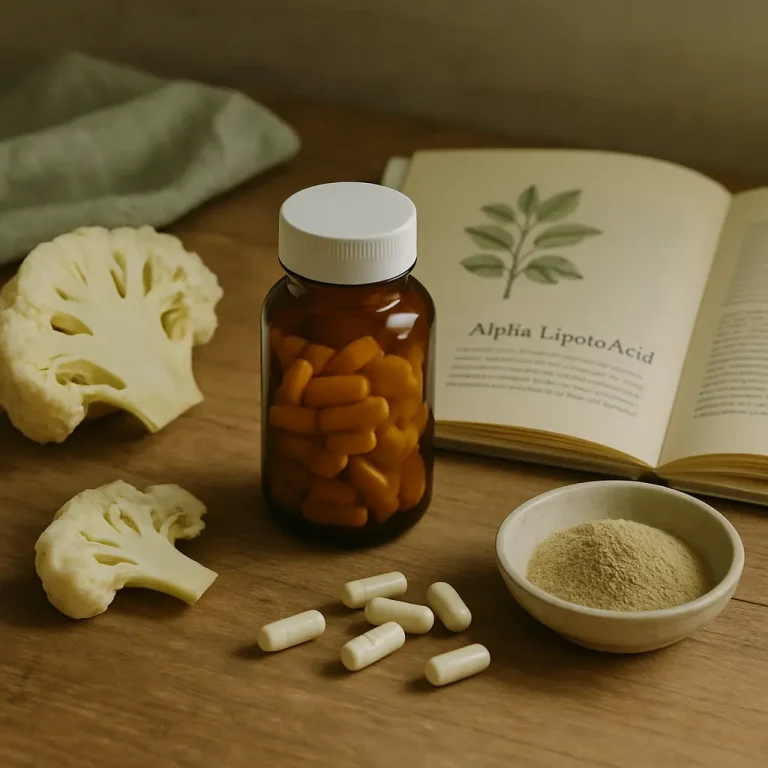
- Vegetables: Fresh vegetables, such as cauliflower, Brussels sprouts, and green beans, are also good sources of inositol.
Inositol Supplements
For individuals who find it challenging to obtain sufficient inositol from diet alone, supplementation can be a practical option. Inositol supplements are available in various forms, with myo-inositol and D-chiro-inositol being the most common. Combining these forms may offer synergistic benefits, particularly for metabolic and reproductive health.
Choosing the Right Supplement
When selecting an inositol supplement, it’s essential to consider factors such as dosage, form, and quality. Here are some tips to guide your choice:
- Dosage: The effective dosage can vary depending on the health goal. For mental health support, dosages typically range from 12 to 18 grams per day. For PCOS management, 2 to 4 grams per day of myo-inositol combined with D-chiro-inositol is often recommended.
- Quality: Choose supplements from reputable manufacturers that provide third-party testing and clear labeling. Avoid products with unnecessary fillers or additives.
- Form: Inositol is available in powder and capsule forms. Powders can be easier to adjust in dosage, while capsules offer convenience.
Incorporating Inositol into Your Daily Routine
Integrating inositol into your daily routine can be simple and effective with a few practical strategies:
- Smoothies and Drinks: Adding inositol powder to morning smoothies or beverages can be an easy way to incorporate it into your diet. It dissolves well in liquids without altering taste.
- Meal Planning: Including inositol-rich foods in your meals, such as a citrus fruit at breakfast or a bean salad for lunch, can enhance your dietary intake.
- Supplement Schedule: If using supplements, establish a regular schedule, such as taking them with your morning or evening meal, to ensure consistency.
By combining dietary sources with targeted supplementation, you can ensure adequate inositol intake that aligns with your health objectives.
Conclusion: Improving Health with Inositol
Inositol offers a range of health benefits, from supporting mental health to enhancing metabolic and reproductive functions. Understanding its role and incorporating it into your lifestyle can contribute to overall well-being. Whether through diet or supplementation, ensuring sufficient inositol intake is a valuable step toward maintaining optimal health.
While research continues to uncover the full potential of inositol, its safety profile and natural occurrence in many foods make it accessible for those looking to support their health naturally.
FAQs about Inositol
- Is inositol safe for everyone? Inositol is generally considered safe for most individuals when consumed from food sources or taken as a supplement at recommended dosages. However, it is always advisable to consult a healthcare provider before starting any new supplement, particularly for pregnant or breastfeeding women and those with existing health conditions.
- Can inositol aid in weight management? While inositol may improve insulin sensitivity and metabolic health, it is not a weight loss supplement. However, by supporting metabolic function, it may complement a balanced diet and exercise regimen.
- How long does it take to see results from inositol supplementation? The time frame for noticeable benefits can vary depending on the individual’s health condition and goals. Some people may experience improvements in mood and metabolic parameters in a few weeks, while others may require longer.
- Are there any side effects associated with inositol? Inositol is typically well-tolerated, but higher doses can cause mild gastrointestinal discomfort such as bloating or diarrhea. Reducing the dose can often alleviate these symptoms.
This article is for informational purposes only and does not constitute medical advice. Always consult a registered dietitian or healthcare provider before starting any supplement regimen.