
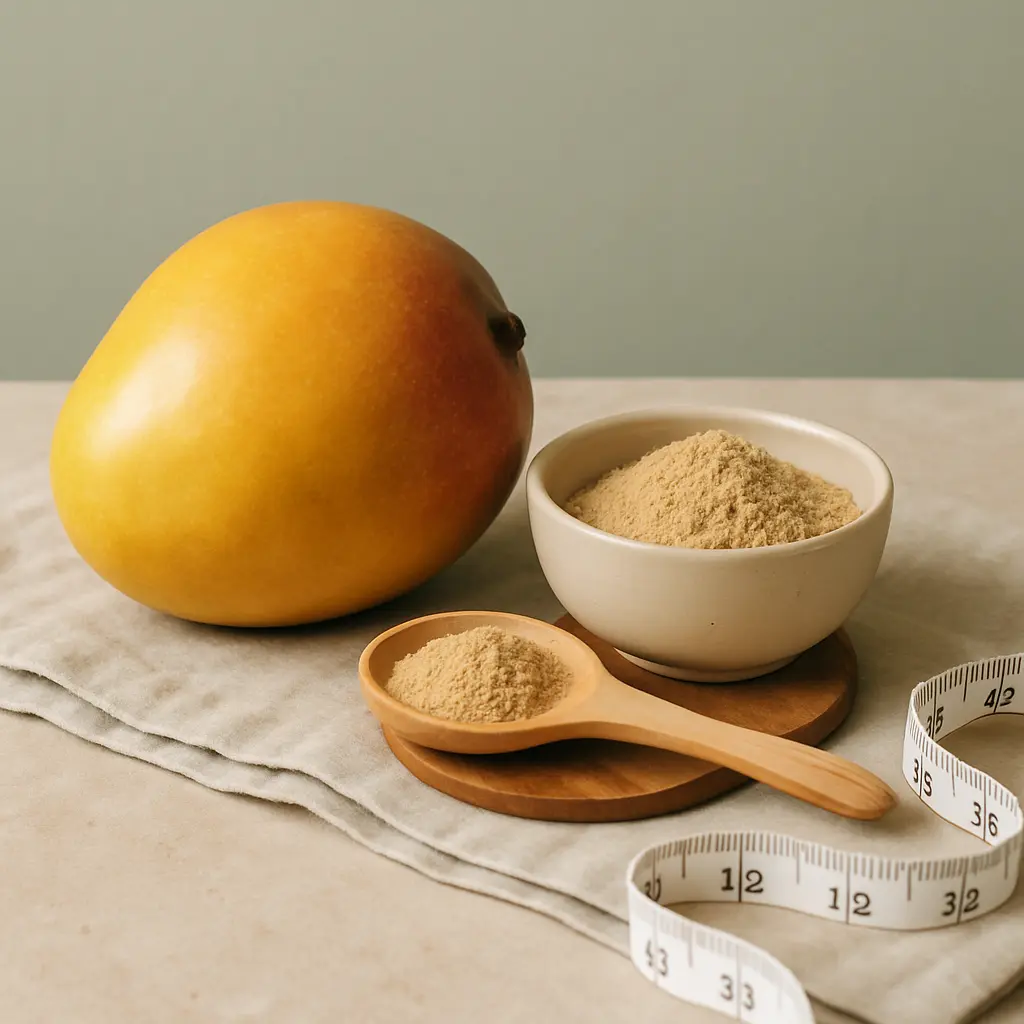
African Mango: Exploring Its Nutritional Benefits and Role in Weight Management
In this page
African mango, scientifically known as Irvingia gabonensis, is a fruit native to the tropical rainforests of West and Central Africa. While it has long been a staple in the diets of local communities, the fruit has recently gained international attention for its potential role in weight management. This article delves into the botanical characteristics of the African mango, its culinary and industrial uses, and examines the scientific evidence supporting its use as a weight loss aid, along with practical considerations for its consumption.

Scientific Background and General Context
The African mango tree is an evergreen species that thrives in the humid tropical climates of countries like Nigeria, Cameroon, Gabon, and Côte d’Ivoire. Growing up to 130 feet tall, the tree boasts a dense, sprawling canopy with glossy, dark green leaves that can reach up to 8 inches in length. Its small, inconspicuous flowers are typically white or greenish, clustered into loose inflorescences.There are two morphologically similar species of African mango: Irvingia gabonensis, which bears sweet, edible fruit, and Irvingia wombolu, known for its bitter flesh. The fruit itself resembles the common mango, with an oval shape, tough skin, and juicy pulp that turns bright yellow to orange upon ripening. Inside lies a large, hard seed containing valuable kernels.

Culinary and Industrial Uses of African Mango
The African mango is valued not only for its fruit but also for other parts of the tree, which find applications in culinary, industrial, and traditional healing practices.
Fruit and Seed Utilization
Traditionally, the sweet fruit of Irvingia gabonensis is consumed fresh or processed into jams and juices. However, the seeds, also known as “dikanut” or “ogbono,” are the most economically significant part of the tree. These seeds are dried and ground into a flour that serves as a thickener in a variety of African dishes, such as soups and stews, imparting a nutty flavor.The seeds’ oil-rich content makes them a critical source of edible oils in West and Central Africa, contributing valuable nutrients and energy to the local diet. Additionally, the oil extracted from the seeds is used in cosmetic formulations due to its moisturizing properties.
Other Uses
Beyond the fruit and seeds, the African mango tree’s bark, leaves, and roots are used in ethnobotanical medicine, believed to possess therapeutic properties. The wood of the tree, hard and durable, is used in construction and furniture-making, adding to the tree’s economic importance.
African Mango and Weight Management
Recent interest in African mango has centered around its potential benefits for weight management. Studies suggest that supplements derived from the seeds may aid weight loss, although the evidence varies in quality.
Research Insights
A number of studies have explored the effects of African mango on weight loss. In certain clinical trials, participants taking African mango supplements experienced significant reductions in body weight and waist circumference compared to placebo groups. Additionally, some research indicates improvements in lipid profiles, with reductions in cholesterol and triglyceride levels.One analysis highlighted the synergistic effects of African mango when combined with Cissus quadrangularis extract, demonstrating weight reduction in both human and animal studies. However, more robust, large-scale studies are required to fully confirm these findings and establish the efficacy and safety of African mango supplements.
Mechanisms of Action
The potential weight loss benefits of African mango are attributed to several mechanisms. The fiber content in the seeds is thought to increase satiety, reducing overall calorie intake. Compounds within the seeds may influence enzymes involved in metabolism, promoting fat breakdown and improving glucose utilization.
Daily Use and Lifestyle Applications
Incorporating African mango into a daily routine can be achieved through various means, including supplements and dietary adaptations.
Supplementation Guidelines
Typically, African mango supplements are available in extract form, with recommended dosages ranging from 150 mg to 300 mg, taken twice daily before meals. This regimen is believed to enhance feelings of fullness and help control appetite.While African mango supplements are often combined with other ingredients like green tea extract or green coffee bean extract to potentially increase efficacy, it is crucial to maintain a balanced diet and engage in regular physical activity to achieve meaningful weight loss results.
Dietary Integration
African mango can also be incorporated into the diet in its natural form. Consuming the fruit fresh or using the seeds in cooking can provide the nutritional benefits associated with this tropical fruit, though the concentration of active compounds may be lower than in standardized extracts.
Balanced Perspective and Safety
While African mango shows promise as a weight management aid, it is important to consider both its benefits and limitations.
Potential Benefits
African mango may contribute to weight loss efforts by promoting satiety, improving lipid profiles, and supporting metabolic health. Its nutritional value, particularly when consumed as part of a balanced diet, can enhance overall well-being.
Safety Considerations
As with any supplement, it is important to exercise caution. Potential side effects of African mango supplements may include gastrointestinal discomfort, headaches, or allergic reactions. Consulting with a healthcare professional before starting supplementation is advisable, especially for individuals with pre-existing health conditions or those taking medication.Additionally, sourcing supplements from reputable manufacturers ensures quality and reduces the risk of contamination or mislabeled products.
Need for Further Research
The current body of research, while promising, is not yet conclusive. Further studies are needed to isolate the specific compounds within African mango responsible for its effects and to determine optimal dosages and combinations for safe and effective weight management.In conclusion, African mango offers intriguing possibilities for those seeking natural weight management aids. However, it should be used in conjunction with a healthy lifestyle, and its benefits should be weighed against the current scientific evidence and individual health considerations.


