
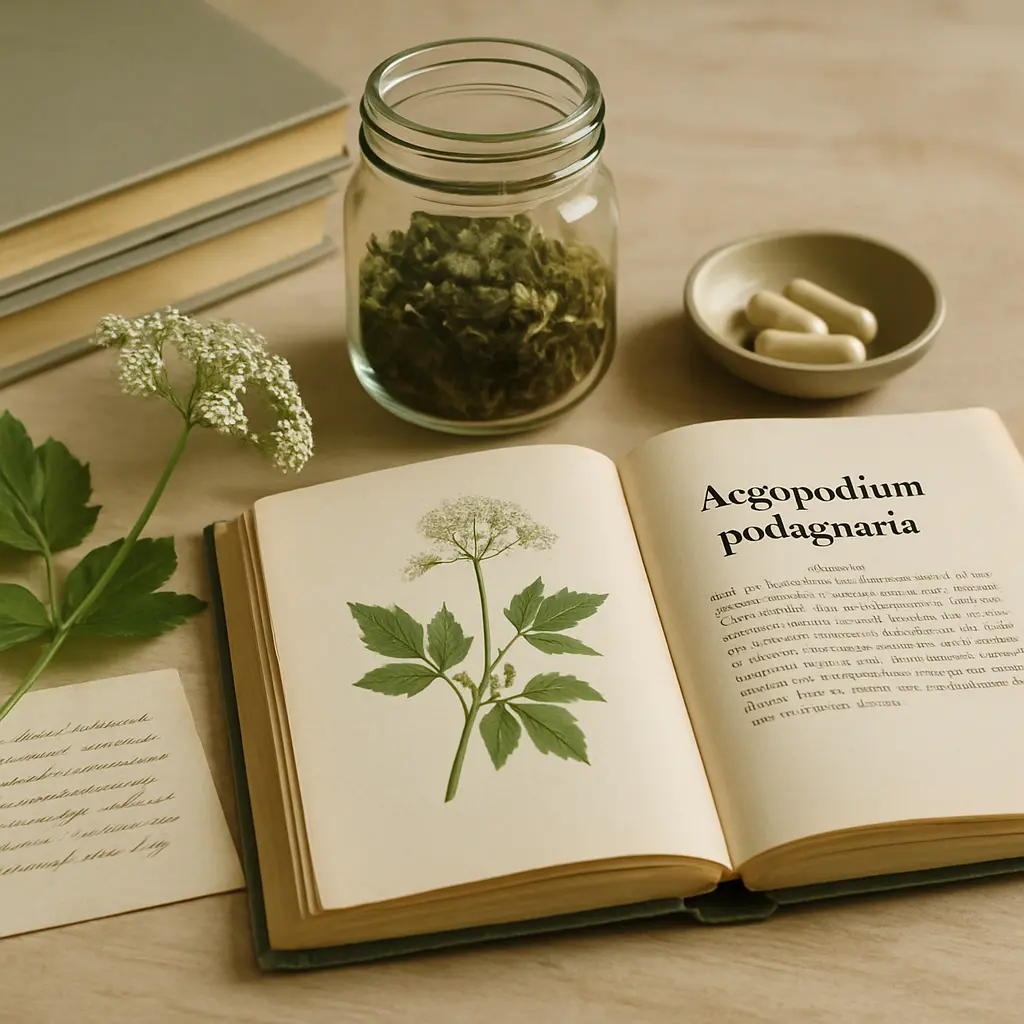
Aegopodium podagraria: Exploring the Historical and Potential Health Benefits
In this page
Aegopodium podagraria, commonly known as ground elder or goutweed, is a perennial plant with a long-standing history in traditional European herbal medicine. Traditionally used for its culinary and medicinal properties, ground elder has been regarded not only as an edible plant but also as a potential remedy for various ailments. This article delves into the historical and potential health benefits of ground elder, examining its traditional uses, active compounds, and the current state of scientific research.
Scientific Background and General Context
Ground elder belongs to the Apiaceae family, which also includes well-known plants like parsley and celery. Native to Europe and parts of Asia, this plant is often found in damp meadows, forests, roadsides, and gardens. It is characterized by its tall, feathery leaves and clusters of small, white flowers. Despite its historical use, ground elder has gained a reputation as an invasive species due to its rapid vegetative reproduction through rhizomes, making it a concern for gardeners.The plant possesses a unique flavor profile that resembles a mix of parsley and celery, which contributed to its use as a culinary herb. During times of scarcity, particularly in medieval Europe, ground elder was consumed as a leafy vegetable. However, its historical significance extends beyond the kitchen, as it was also employed in traditional herbal medicine for various health issues, notably gout, which is reflected in its common name.
Traditional Uses and Culinary Applications
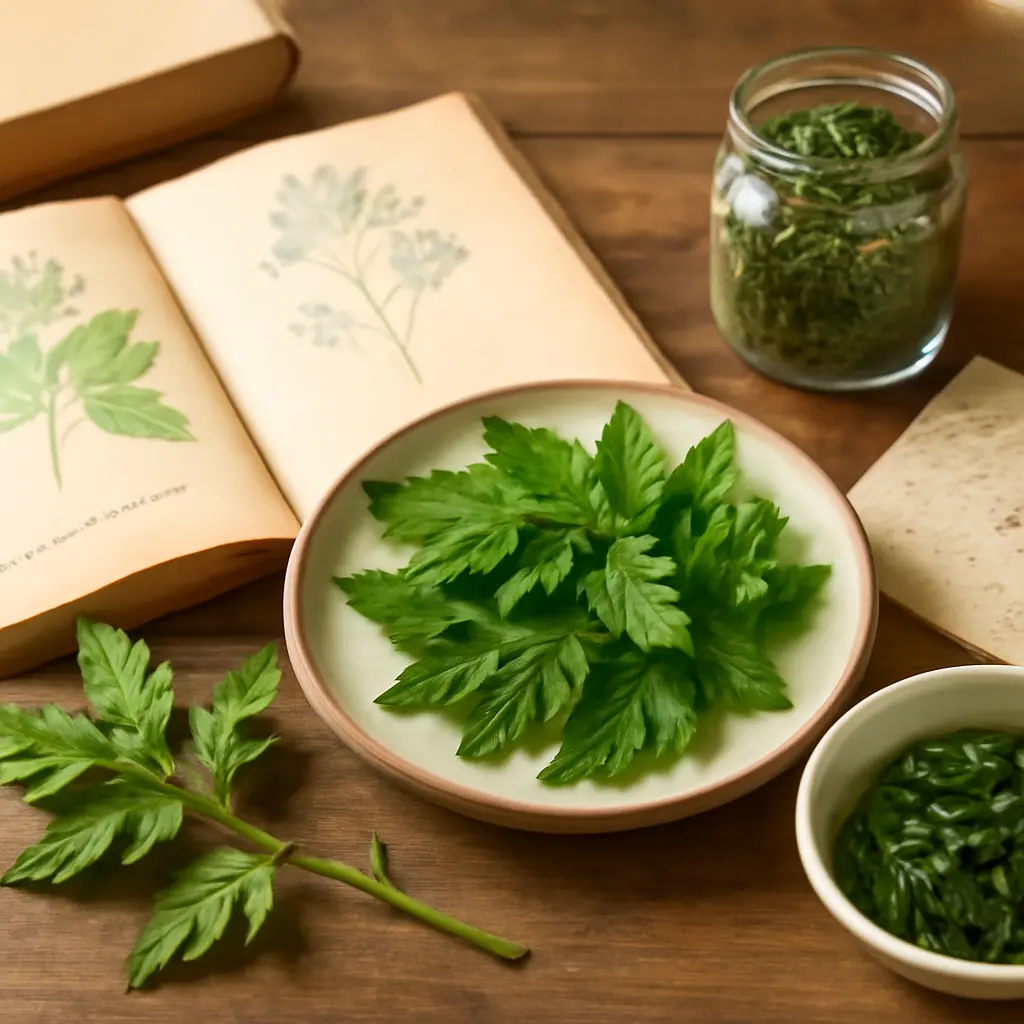
Historically, ground elder was valued not only for its taste but also for its nutritional content. The young leaves of the plant were often consumed raw in salads or cooked in soups and stews. During periods of food scarcity, ground elder served as an important dietary supplement, providing essential nutrients when other food sources were limited.In traditional medicine, ground elder was notably used in treating gout, a form of arthritis characterized by sudden, severe attacks of pain, redness, and swelling in joints. It was believed that the plant could alleviate the inflammation and pain associated with gout, hence its name. Additionally, ground elder was used as a diuretic and laxative to help cleanse the body of toxins and promote digestive health. It was also applied topically as a poultice for wounds and skin irritations.
Nutritional and Medicinal Properties
Ground elder contains a variety of bioactive compounds, including polyacetylenes such as falcarinol and falcarindiol, essential oils like monoterpenes and sesquiterpenes, and phenolic compounds including coumarins, phenolic acids, and flavonoids. These compounds are thought to contribute to its traditional medicinal uses and potential health benefits.
Active Compounds and Potential Health Benefits
The bioactive compounds found in ground elder have attracted scientific interest due to their potential health-promoting properties. Polyacetylenes, for instance, are known for their antifungal, antibacterial, and anti-inflammatory properties. Falcarinol and falcarindiol, in particular, have been studied for their potential to reduce inflammation and oxidative stress, which can contribute to various chronic diseases.Essential oils derived from ground elder, predominantly composed of monoterpenes and sesquiterpenes, are responsible for its distinct aroma and may exhibit antimicrobial and antiviral activities. These properties make ground elder a subject of interest for its potential use in managing infections and supporting immune health.Phenolic compounds present in ground elder, such as coumarins and flavonoids, are recognized for their antioxidant capabilities. Antioxidants play a crucial role in neutralizing free radicals, thereby reducing oxidative damage to cells and tissues. This can help protect against chronic conditions like cardiovascular disease and cancer.
Current Research and Emerging Evidence
Although ground elder has not been extensively studied in clinical settings, its bioactive compounds are being investigated for their potential therapeutic effects. Research into the anti-inflammatory and antioxidant properties of polyacetylenes, for example, suggests that a diet rich in these compounds might reduce the risk of inflammatory diseases.Recent studies have also explored the potential of ground elder compounds in the context of metabolic disorders. One study examined the effects of ground elder on the efficacy of metformin, a common diabetes medication, in an animal model. While the results were promising, more research is needed to establish specific benefits and appropriate dosages for humans.Additionally, coumarins found in ground elder have garnered interest in Alzheimer’s disease research due to their metal-chelating properties. Excessive metal ions in the brain can lead to oxidative stress and neurodegeneration, and coumarins may help mitigate these effects by binding to and neutralizing these ions.
Daily Use and Lifestyle Applications
Incorporating ground elder into a balanced diet can be a practical way to take advantage of its potential health benefits. The young leaves can be used fresh in salads or cooked in various dishes, much like other leafy greens. However, given the lack of extensive human studies, it is advisable to consume ground elder in moderation and as part of a diverse diet.For those interested in herbal remedies, ground elder can be prepared as a herbal tea or infusion. Traditionally, it was also used topically for its soothing effects on skin conditions. However, due to limited scientific evidence, any medicinal use of ground elder should be approached with caution and under the guidance of a healthcare professional.
Balanced Perspective and Safety
While ground elder has a history of traditional use and contains potentially beneficial compounds, it is important to approach its use with a balanced perspective. The plant has not been the focus of rigorous clinical trials, and most of the evidence for its health benefits is based on preliminary research or traditional knowledge.For those considering ground elder as a supplement or alternative remedy, it is crucial to consult with a healthcare provider, especially if there are pre-existing health conditions or if it is being considered as a complementary treatment for a specific ailment.Furthermore, as with any wild plant, correct identification is vital to ensure safety, as some wild species can be toxic. Those harvesting ground elder in the wild should be confident in their plant identification skills or seek guidance from experienced foragers.In conclusion, while ground elder offers an intriguing blend of historical usage and potential modern-day health benefits, further research is necessary to fully understand its capabilities and ensure its safe application. Until then, it remains a fascinating example of nature’s complexity and the potential benefits of integrating traditional plants into contemporary wellness practices.




