
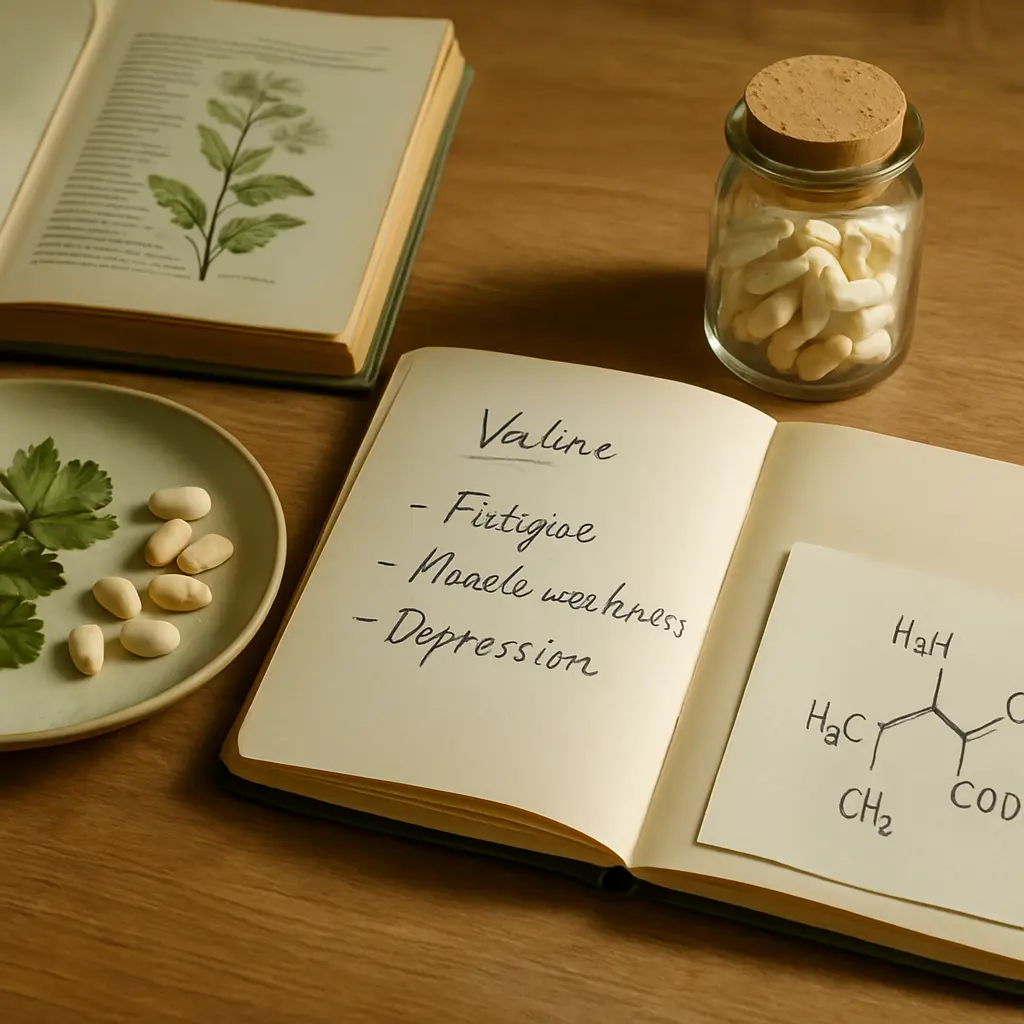
What are the Symptoms of Valine Deficiency?
In this page
Valine, an essential amino acid, plays a critical role in various bodily functions, including muscle metabolism and tissue repair. While our bodies cannot synthesize valine, it must be obtained through diet. A deficiency in valine can lead to a range of symptoms affecting physical health, cognitive function, and exercise performance. This article explores the role of valine in the body, causes and symptoms of its deficiency, diagnostic approaches, and strategies for treatment and prevention.
Introduction to Valine
Valine is one of the three branched-chain amino acids (BCAAs), the others being leucine and isoleucine. These amino acids are vital for protein synthesis and have a unique structural side chain, allowing them to be metabolized directly in muscle tissues. As an essential amino acid, valine must be acquired through dietary intake, primarily from protein-rich foods such as meat, dairy products, soy, and legumes. It contributes significantly to muscle energy production and overall metabolic balance.
Understanding Valine’s Role in the Body
Valine is indispensable for maintaining several physiological processes. It supports muscle growth and repair, making it especially crucial for athletes and those engaging in regular physical activity. Additionally, valine participates in maintaining nitrogen balance in the body, which is essential for tissue repair and the synthesis of neurotransmitters that influence mood and cognitive function. By contributing to glucose metabolism, valine also plays a part in energy production during both aerobic and anaerobic exercises.
Causes of Valine Deficiency
Valine deficiency is rare, as it typically results from extreme dietary restrictions or underlying health conditions. Poor dietary intake, particularly in strict vegetarians or vegans lacking adequate protein sources, can lead to an insufficient supply of valine. Certain metabolic disorders, such as maple syrup urine disease, can also impair the body’s ability to metabolize BCAAs, including valine. Additionally, prolonged physical stress or illness can increase the demand for valine, potentially leading to a deficiency if not adequately met through diet.
Identifying the Symptoms of Valine Deficiency
Symptoms of valine deficiency can manifest in various ways, affecting physical, cognitive, and emotional health. Recognizing these symptoms promptly is essential for addressing the deficiency and preventing more severe health issues.
Physical Symptoms
Physically, a deficiency in valine can lead to weakness, fatigue, and muscle degeneration due to its role in protein synthesis and energy production. Individuals may experience muscle cramps and an overall decrease in muscle mass, particularly if the deficiency persists over time. Additionally, problems with skin and hair health may arise, given valine’s involvement in tissue repair and maintenance.
Cognitive and Emotional Symptoms
Valine supports the synthesis of neurotransmitters, making it crucial for proper brain function. A deficiency can result in cognitive symptoms such as poor concentration, memory loss, and difficulty thinking clearly. Emotionally, individuals may experience mood swings, irritability, and even depression. These symptoms highlight the interconnectedness of amino acids and mental health, emphasizing the importance of adequate valine intake.
Impact on Exercise and Physical Performance
For those who are physically active, a valine deficiency can significantly impact exercise performance. Reduced endurance, increased fatigue, and slower recovery times are common, stemming from valine’s critical role in muscle metabolism and energy production. Performance levels may decline, and individuals may struggle to reach their previous fitness benchmarks.
Diagnosing Valine Deficiency
Diagnosing a valine deficiency typically involves a combination of dietary assessments, symptom evaluation, and biochemical tests. Healthcare providers may conduct blood tests to measure amino acid levels, specifically focusing on BCAAs like valine. A thorough dietary history can also help identify potential dietary insufficiencies. In some cases, genetic testing may be necessary to rule out metabolic disorders that affect valine metabolism.
Addressing Valine Deficiency: Treatment and Prevention
Addressing valine deficiency primarily involves dietary adjustments to ensure adequate intake of high-quality protein sources. Incorporating foods rich in valine—such as poultry, fish, eggs, and soy products—can help restore normal levels. For those with dietary restrictions or increased needs, amino acid supplements may be considered, though it’s essential to consult a healthcare provider before starting any supplementation regimen. Additionally, managing underlying health conditions and ensuring balanced nutrition can prevent future deficiencies.
Conclusion
Valine is a vital amino acid that plays an essential role in muscle metabolism, cognitive health, and overall bodily function. While deficiency is rare, it can lead to significant physical and mental health challenges. Recognizing the symptoms and understanding the causes of valine deficiency are crucial steps in treatment and prevention. By ensuring a balanced diet rich in essential amino acids, individuals can maintain optimal health and performance.
FAQs on Valine Deficiency
What foods are rich in valine? Foods such as meat, dairy products, eggs, soy, legumes, and nuts are excellent sources of valine.
Can supplements help in treating valine deficiency? Yes, amino acid supplements can help address valine deficiency, but they should be taken under medical supervision, especially if there are underlying health conditions.
Is valine deficiency common in vegetarians or vegans? Although not common, strict vegetarians or vegans can experience valine deficiency if their diet lacks diverse plant-based protein sources. Including a variety of legumes, grains, and soy products can help meet valine requirements.
How long does it take to recover from valine deficiency? Recovery from valine deficiency depends on its severity and the effectiveness of dietary changes. Most individuals notice improvement in symptoms within a few weeks of adequate valine intake.
Are there any risks associated with excessive valine intake? While valine is essential, excessive intake, particularly from supplements, can lead to imbalances and potential toxicity. It is crucial to adhere to recommended dietary allowances.
This article is for informational purposes only and does not constitute medical advice. Always consult a registered dietitian or healthcare provider before starting any supplement regimen.




