Where Does Vitamin B7 Come From?
In this page
Vitamin B7, also known as biotin, is an essential nutrient that plays a crucial role in metabolic functions and maintaining overall health. Understanding where Vitamin B7 comes from can help you ensure you are getting adequate amounts through diet and lifestyle choices. This article explores the natural sources of Vitamin B7, the role of gut bacteria, the utility of supplements, and the recommended daily intake. By providing a comprehensive look at Vitamin B7, this guide aims to enhance your knowledge and support your wellness journey.
Introduction to Vitamin B7
Vitamin B7, commonly referred to as biotin, is a water-soluble vitamin that belongs to the B-complex group. It plays a pivotal role in the metabolism of carbohydrates, fats, and proteins, making it indispensable for energy production and the synthesis of fatty acids. Biotin is also known for its benefits in supporting healthy hair, skin, and nails, which is why it is a popular component in many beauty and wellness products. While biotin deficiencies are rare, understanding its sources and functions is essential for maintaining optimal health.
Natural Sources of Vitamin B7
Vitamin B7 can be obtained from a variety of dietary sources, which are categorized into animal-based, plant-based, and fortified foods. Each source offers unique advantages, making it possible to tailor your diet according to your preferences and nutritional requirements.
Animal-Based Sources
Animal-based foods are some of the richest sources of Vitamin B7. Organ meats such as liver and kidney are particularly high in biotin. Additionally, egg yolks, dairy products, fish, and poultry contribute significantly to biotin intake. For example, a cooked egg can provide a substantial portion of the daily biotin requirement. It is important to note that consuming raw egg whites can interfere with biotin absorption due to the presence of a protein called avidin, which binds to biotin and prevents its utilization in the body.
Plant-Based Sources
For those following a plant-based diet, there are still plenty of options for obtaining Vitamin B7. Nuts, seeds, and legumes, such as almonds, sunflower seeds, soybeans, and peanuts, are excellent sources of biotin. Whole grains like oats and barley also contain moderate amounts of biotin. Furthermore, certain vegetables, including sweet potatoes, spinach, and broccoli, offer a plant-based supply of this vital nutrient.
Fortified Foods
Fortified foods can also be a viable option for obtaining Vitamin B7, especially for individuals with specific dietary needs or restrictions. Common fortified foods include cereals, nutritional yeast, and plant-based milk alternatives. These foods have biotin added during the manufacturing process, helping to ensure that even those with limited dietary variety can meet their nutritional requirements.
Role of Gut Bacteria in Vitamin B7 Production
The human gut microbiome plays a significant role in synthesizing various nutrients, including biotin. Certain strains of gut bacteria have the capability to produce biotin, contributing to the overall biotin status of the host. However, the extent of biotin production by gut bacteria and its availability for absorption remains a subject of ongoing research. Maintaining a healthy gut flora through a balanced diet rich in prebiotics and probiotics may support the natural synthesis of Vitamin B7 and improve overall nutrient absorption.
The Role of Supplements in Achieving Optimal Vitamin B7 Intake
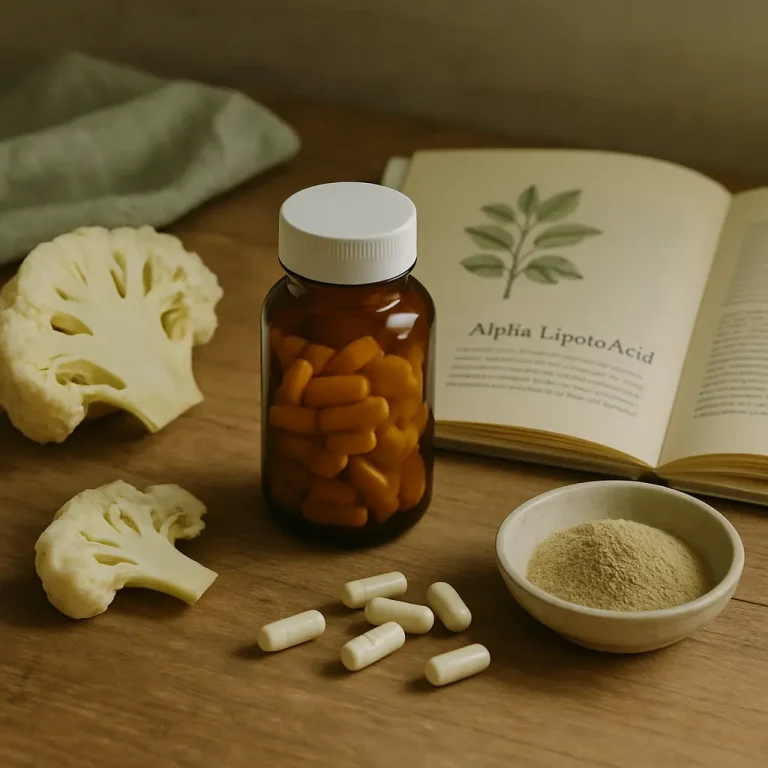
Although most people can meet their biotin needs through a balanced diet, some individuals might require supplementation. This includes pregnant or breastfeeding women, individuals with certain genetic disorders, or those taking medications that interfere with biotin absorption. Biotin supplements are available in various forms, including capsules, tablets, and gummies. It is always advisable to consult with a healthcare provider before starting any supplementation to determine the appropriate dosage and to ensure safety.
Signs of Vitamin B7 Deficiency
Biotin deficiency is uncommon but can occur in certain situations, such as prolonged consumption of raw egg whites, malabsorption disorders, or during pregnancy. Symptoms of biotin deficiency may include thinning hair, scaly skin rashes, brittle nails, and neurological symptoms like depression and fatigue. Identifying these signs early and addressing them through dietary changes or supplementation can help prevent more serious health issues.
Daily Recommended Intake and Absorption Tips
The recommended daily intake (RDI) for biotin varies by age, gender, and life stage. For adults, the average RDI is around 30 micrograms per day, while pregnant or breastfeeding women may require slightly more. To optimize biotin absorption, it is beneficial to consume this vitamin alongside other B vitamins, which often work synergistically. Additionally, maintaining a diet that includes a variety of biotin-rich foods can enhance absorption and utilization.
Conclusion
Understanding the sources and functions of Vitamin B7 is essential for maintaining overall health and well-being. With a variety of animal-based, plant-based, and fortified food options, it is relatively easy to meet the daily biotin needs through diet alone. However, for those with specific dietary restrictions or increased requirements, supplements can offer a practical solution. By prioritizing biotin intake, you can support essential metabolic processes, as well as promote healthy hair, skin, and nails.
References and Further Reading
- National Institutes of Health Office of Dietary Supplements: Biotin Fact Sheet
- Harvard T.H. Chan School of Public Health: Vitamins and Minerals
- Linus Pauling Institute at Oregon State University: Biotin
- Mayo Clinic: Biotin (Vitamin H) Overview
This article is for informational purposes only and does not constitute medical advice. Always consult a registered dietitian or healthcare provider before starting any supplement regimen.