Where Does Methionine Come From?
In this page
Methionine is an essential amino acid that plays a critical role in various bodily functions, including metabolism and detoxification. This article delves into the origins of methionine, exploring its natural sources, significance in nutrition, presence in processed foods, and the recommended daily intake. Additionally, the article covers potential deficiencies and risks associated with methionine and concludes with answers to frequently asked questions about this vital nutrient.
Understanding Methionine
Methionine is one of the nine essential amino acids, meaning that it cannot be synthesized by the human body and must be obtained through diet. It contains sulfur, a component that is crucial for the synthesis of other amino acids such as cysteine and taurine, which contribute to maintaining health and functional processes in the body. Methionine is also involved in the production of important compounds like S-adenosylmethionine (SAM-e), which plays a role in immune function, mood regulation, and cell repair.
Natural Sources of Methionine
Obtaining methionine from natural sources is crucial for those who aim to maintain a balanced diet. It is found in a variety of foods, both from animal and plant origins. Understanding these sources can aid in making informed dietary choices.
Animal-Based Sources
Animal-based foods are generally rich in methionine, making them an important component of many diets. Prominent sources include:
- Meat and Poultry: Beef, chicken, turkey, and pork are excellent sources of methionine, with chicken breast being particularly high.
- Fish: Fish like tuna, salmon, and cod are not only rich in methionine but also provide essential omega-3 fatty acids beneficial for heart health.
- Dairy Products: Milk, cheese, and yogurt contain methionine, along with other vital nutrients like calcium and vitamin D.
- Eggs: Eggs are a powerhouse of nutrients, including methionine, making them a versatile and valuable addition to the diet.
Plant-Based Sources
For those following a plant-based diet, there are several sources of methionine, though they often contain it in lower quantities compared to animal-based foods. Notable plant-based sources include:
- Nuts and Seeds: Brazil nuts, sesame seeds, and sunflower seeds are good sources of methionine, providing an added boost of healthy fats and minerals.
- Legumes: Lentils, chickpeas, and soybeans, including soy products like tofu and tempeh, are rich in methionine and other essential amino acids.
- Whole Grains: Foods like quinoa, oats, and brown rice offer methionine along with fiber, which supports digestive health.
Methionine in Supplements
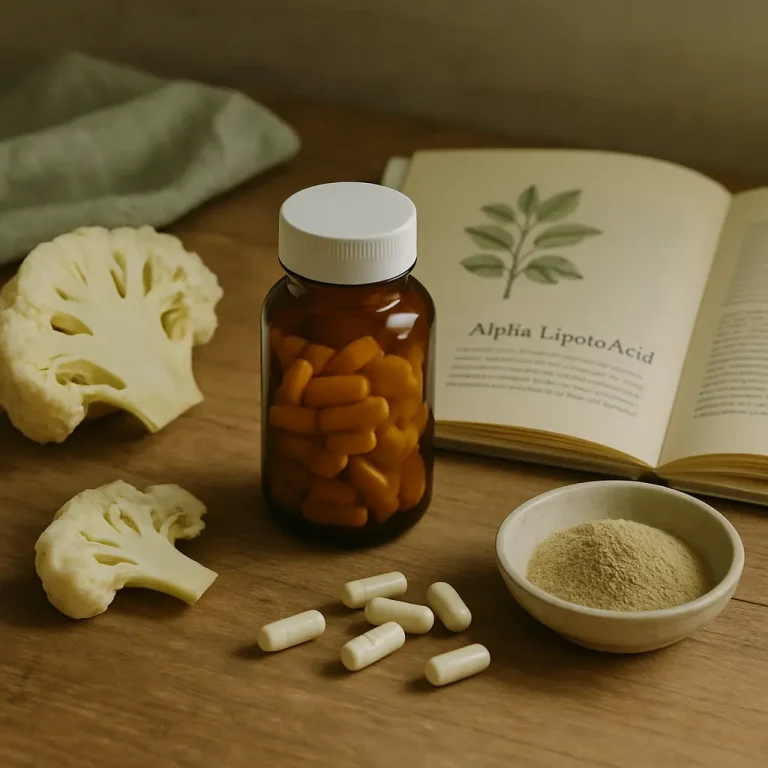
Dietary supplements are another avenue to ensure adequate methionine intake, especially for individuals with specific dietary restrictions or increased nutritional needs. Methionine supplements are available in various forms, including capsules and powders. However, it’s important to consult with a healthcare professional before starting any supplement regimen to determine appropriate dosage and necessity.
Methionine and Nutrition
Methionine plays a significant role in overall nutrition. It contributes to protein synthesis, aids in fat metabolism, and serves as a precursor for other crucial molecules. It is also a key player in the methylation process, which is vital for DNA repair and genetic expression. Ensuring a balanced intake of methionine is essential for maintaining optimal health and supporting physiological functions.
Methionine in Processed Foods
Processed foods often contain methionine, either naturally present or added during production. Foods like protein bars, ready-to-eat meals, and fortified cereals may list methionine as an ingredient. While processed foods can contribute to methionine intake, it’s important to consume them in moderation and prioritize whole, minimally processed foods for overall health.
Daily Recommended Intake of Methionine
The daily recommended intake of methionine varies based on age, gender, and overall health. The Recommended Dietary Allowance (RDA) suggests an intake of approximately 15 mg per kilogram of body weight for adults. This figure may change for pregnant or breastfeeding women, athletes, or individuals with specific health conditions. It’s crucial to tailor methionine intake to individual dietary needs, ideally under the guidance of a healthcare professional or nutritionist.
Potential Deficiencies and Risks
Insufficient intake of methionine can lead to a range of health issues, including muscle weakness, liver damage, and compromised immune function. Vegans and vegetarians, if not mindful of their diet, may be at risk for methionine deficiency due to lower levels in plant-based foods. On the other hand, excessive consumption of methionine, particularly through supplements, can lead to elevated blood homocysteine levels, increasing the risk of cardiovascular problems. Striking a balance through a well-rounded diet is key to avoiding these issues.
Conclusion
Methionine is an essential amino acid vital for various bodily functions and overall well-being. Understanding its sources and ensuring adequate intake through a balanced diet are crucial steps toward maintaining health. While both animal and plant-based foods provide methionine, supplements can serve as an additional resource under appropriate guidance. Awareness of recommended intake levels and potential risks associated with deficiencies or excesses further supports informed dietary choices.
FAQs about Methionine
- What is methionine used for in the body? Methionine is used for protein synthesis, detoxification, and as a precursor for other essential substances, including cysteine and taurine.
- Can methionine be harmful? While methionine is vital for health, excessive intake, especially through supplements, can elevate homocysteine levels and increase cardiovascular risks.
- Is methionine found in vegan diets? Yes, although in lower amounts. Plant-based sources like nuts, seeds, legumes, and whole grains can provide methionine.
- Do I need methionine supplements? Most individuals can meet their methionine needs through diet. However, supplements may be beneficial for those with specific dietary restrictions or health conditions, with professional advice.
This article is for informational purposes only and does not constitute medical advice. Always consult a registered dietitian or healthcare provider before starting any supplement regimen.