What is Vitamin B2?
In this page
Vitamin B2, also known as riboflavin, is an essential nutrient that plays a crucial role in many bodily functions. This water-soluble vitamin is vital for maintaining energy levels, promoting healthy skin and eyes, and supporting cellular function. In this article, we will explore the importance of Vitamin B2, its health benefits, sources, recommended intake, and the potential risks associated with deficiency and toxicity.
Introduction to Vitamin B2
Vitamin B2, or riboflavin, is a member of the B-vitamin family, which is known for its role in energy production and maintaining cell health. As a water-soluble vitamin, it dissolves in water and is not stored in the body, necessitating a regular intake through diet. Found naturally in a variety of foods, riboflavin is crucial for converting carbohydrates, fats, and proteins into energy, and it also acts as an antioxidant, helping to combat free radicals that can damage cells and DNA.
The Role of Vitamin B2 in the Body
Vitamin B2 is integral to several metabolic processes. It serves as a precursor for the coenzymes flavin mononucleotide (FMN) and flavin adenine dinucleotide (FAD), which are essential for the metabolism of carbohydrates, fats, and proteins. These coenzymes play a critical role in the electron transport chain, a series of reactions that produce adenosine triphosphate (ATP), the energy currency of the cell.
Beyond energy production, riboflavin supports other functions such as the maintenance of mucous membranes, the integrity of the skin, and the health of the eyes. It is also involved in the conversion of vitamin B6 and folate into their active forms and aids in the production of red blood cells, contributing to overall cardiovascular health.
Health Benefits of Vitamin B2
The benefits of Vitamin B2 extend across various aspects of health:
- Energy Production: As a critical component in the metabolism of nutrients, riboflavin ensures that the body efficiently converts food into energy.
- Antioxidant Protection: By supporting glutathione production, riboflavin helps protect cells from oxidative stress and damage.
- Skin Health: Adequate levels of riboflavin can help prevent skin disorders such as dermatitis.
- Eye Health: Riboflavin may reduce the risk of cataracts and other eye conditions by maintaining healthy eye tissues.
- Neurological Support: By aiding in the production of neurotransmitters, riboflavin contributes to proper nervous system function.
Sources of Vitamin B2
Natural Food Sources
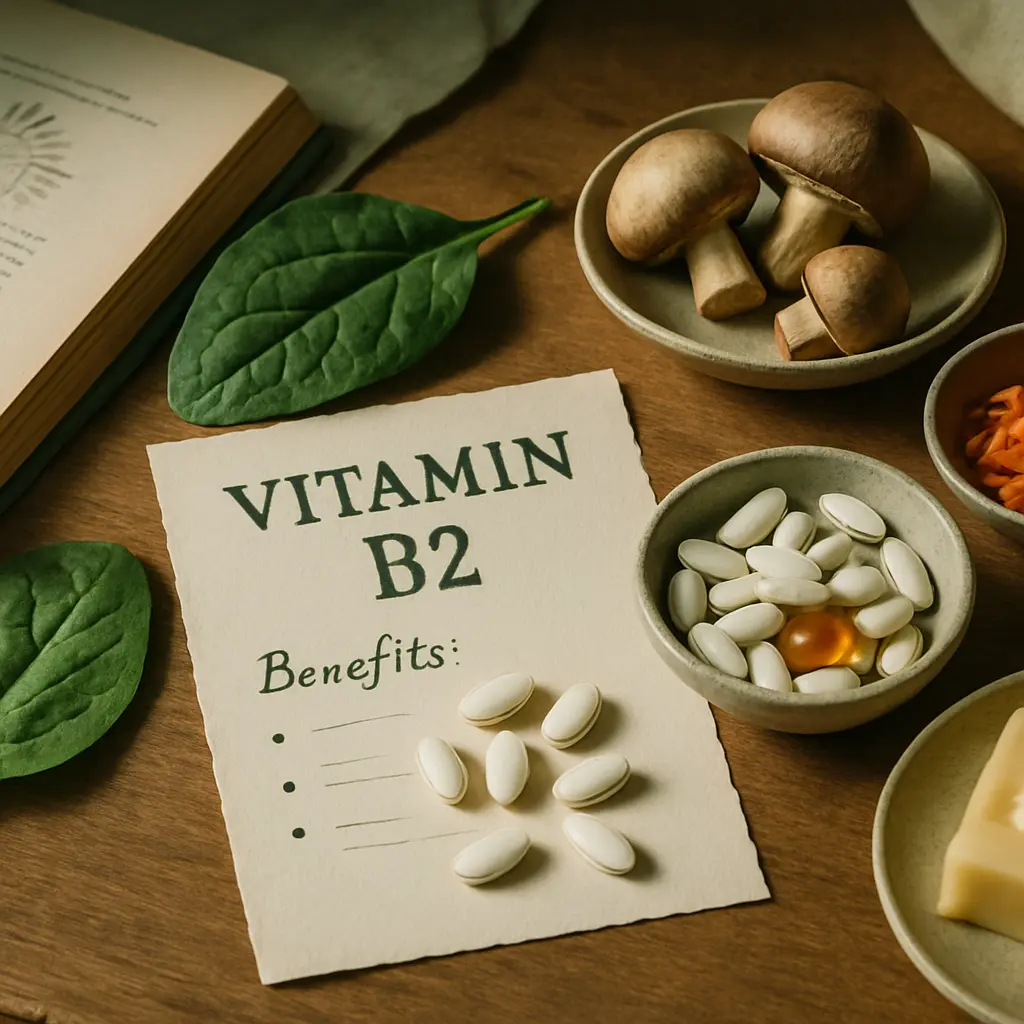
Riboflavin is naturally present in a variety of foods. Dairy products like milk and cheese are excellent sources. Eggs, lean meats, and organ meats such as liver also provide substantial amounts of this vitamin. For those following a plant-based diet, options like almonds, spinach, mushrooms, and fortified cereals can help meet riboflavin needs.
Fortified Foods and Supplements
In addition to natural sources, many foods are fortified with riboflavin to enhance nutritional content, including breakfast cereals and energy bars. Riboflavin supplements are also available and can be beneficial for individuals with dietary restrictions or increased riboflavin needs. However, it is advisable to consult a healthcare professional before starting any supplementation.
Recommended Daily Intake
The recommended dietary allowance (RDA) for riboflavin varies by age, gender, and life stage:
- Infants (0-6 months): 0.3 mg
- Infants (7-12 months): 0.4 mg
- Children (1-3 years): 0.5 mg
- Children (4-8 years): 0.6 mg
- Children (9-13 years): 0.9 mg
- Adolescents (14-18 years): 1.0 mg for females, 1.3 mg for males
- Adults: 1.1 mg for females, 1.3 mg for males
- Pregnant women: 1.4 mg
- Lactating women: 1.6 mg
Meeting these requirements is generally achievable with a balanced diet, but specific populations may require additional intake.
Deficiency and Symptoms
Causes of Riboflavin Deficiency
Riboflavin deficiency, though uncommon in developed countries, can still occur. It is often the result of insufficient dietary intake, malabsorption disorders, or increased physiological needs such as during pregnancy and lactation. Alcoholism and certain medications can also interfere with riboflavin absorption or utilization.
Symptoms and Health Risks
Symptoms of riboflavin deficiency include sore throat, redness and swelling of the lining of the mouth and throat, cracks or sores on the outsides of the lips (cheilosis) and at the corners of the mouth (angular stomatitis), inflammation and redness of the tongue (magenta tongue), and a moist, scaly skin inflammation (seborrheic dermatitis). If left untreated, deficiency can lead to more severe health problems such as anemia and cataracts.
Safety and Toxicity
Vitamin B2 is generally considered safe, with no known toxicity associated with high intake from food sources. As a water-soluble vitamin, excess riboflavin is typically excreted in the urine, which may result in bright yellow urine but is harmless. However, it is always prudent to adhere to recommended guidelines, especially when taking supplements, to avoid any unnecessary risks.
Conclusion
Vitamin B2 is a critical nutrient that supports various bodily functions, from energy production to maintaining healthy skin and eyes. Ensuring adequate intake through a balanced diet rich in riboflavin-containing foods is essential for overall health and well-being. While deficiency is rare, being aware of the signs and ensuring sufficient intake is vital, particularly for those with increased needs or dietary restrictions.
Frequently Asked Questions
- What foods are highest in riboflavin? Dairy products, eggs, lean meats, almonds, and fortified cereals are excellent sources of riboflavin.
- Can I get enough riboflavin from a vegetarian diet? Yes, with careful planning, a vegetarian diet can provide adequate riboflavin through foods like almonds, spinach, mushrooms, and fortified cereals.
- Are there any risks associated with riboflavin supplements? While generally safe, it’s best to consult a healthcare professional before starting supplements, especially in high doses.
- How do I know if I’m deficient in riboflavin? Symptoms of deficiency include sore throat, skin disorders, and anemia. If you suspect a deficiency, consult a healthcare provider for assessment and advice.
This article is for informational purposes only and does not constitute medical advice. Always consult a registered dietitian or healthcare provider before starting any supplement regimen.