
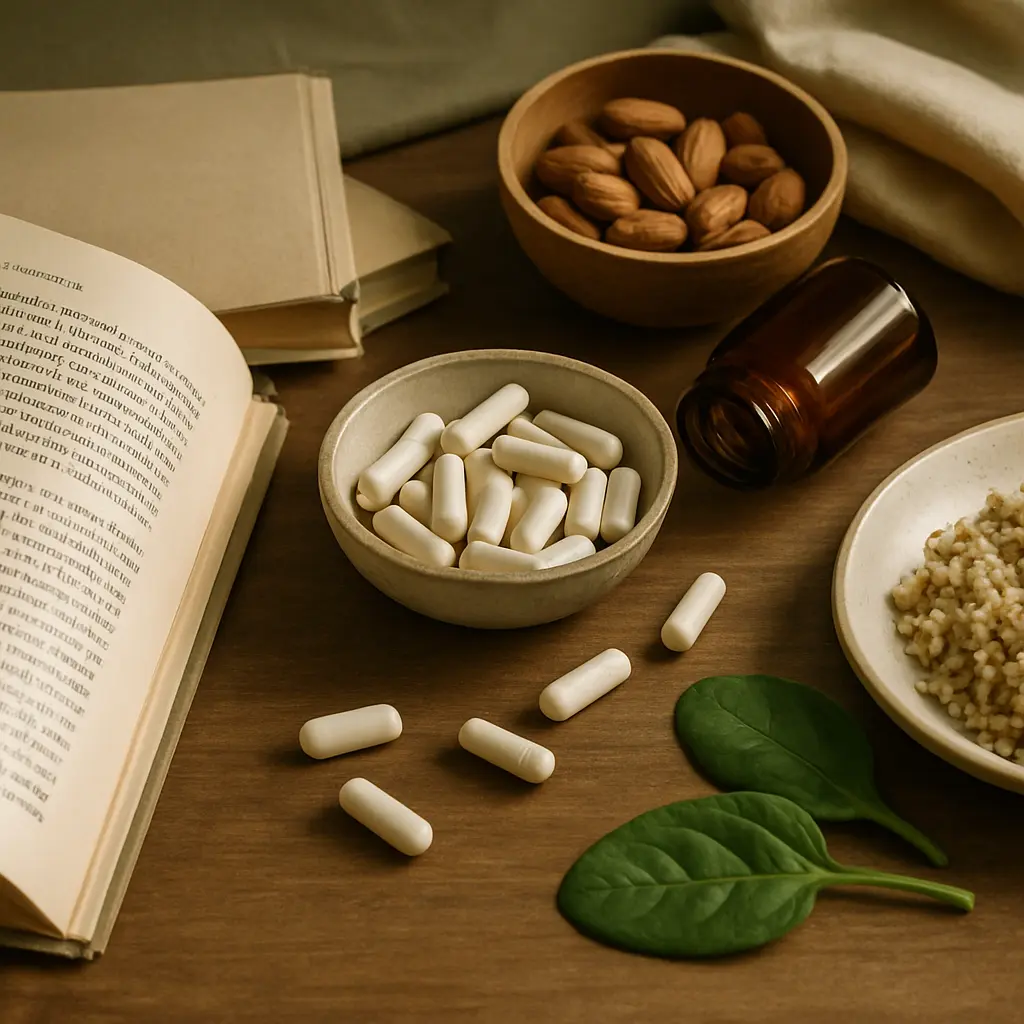
What Happens If You Get Too Much Tryptophan
In this page
Tryptophan is an essential amino acid that plays a critical role in various bodily functions, including the production of serotonin, a neurotransmitter that influences mood, sleep, and cognitive functions. Understanding how tryptophan works, its benefits, dietary sources, and potential risks of excessive intake is crucial for maintaining balanced health. This article delves into the details of tryptophan, its recommended intake, and how to manage levels effectively to avoid potential health issues.
Understanding Tryptophan
Tryptophan is one of the nine essential amino acids that the human body cannot synthesize on its own. It must be obtained through dietary sources. As a precursor to serotonin, tryptophan is integral to the regulation of mood, sleep, and appetite. The body utilizes tryptophan for the production of niacin, also known as Vitamin B3, which is essential for energy metabolism and DNA synthesis.
The conversion of tryptophan to serotonin occurs in the brain, and it is influenced by various factors, including the presence of other amino acids and carbohydrates, as these affect tryptophan’s ability to cross the blood-brain barrier. The complexity of this process underscores the importance of balanced nutrient intake.
Despite its significance, tryptophan generally exists in small amounts in dietary sources compared to other amino acids. This variability in dietary presence makes it an important focus of nutritional science and dietary guidelines.
Tryptophan’s Health Benefits
The health benefits of tryptophan are primarily linked to its role in serotonin production. Adequate levels of serotonin contribute to improved mood, reduced anxiety, and enhanced sleep quality. Tryptophan is also associated with the treatment of sleep disorders like insomnia due to its ability to increase melatonin levels, a hormone that regulates sleep-wake cycles.
Additionally, tryptophan’s role in the synthesis of niacin helps in maintaining cardiovascular health by reducing the risk of atherosclerosis and supporting efficient energy production. Studies have also suggested that tryptophan may play a role in weight management by influencing appetite and reducing carbohydrate cravings.
Furthermore, as a component of proteins, tryptophan contributes to muscle growth and repair, as well as the synthesis of enzymes and antibodies, making it vital for overall physical health and immune function.
Sources of Tryptophan in the Diet
Tryptophan is found in a variety of foods, both animal and plant-based. Animal sources rich in tryptophan include turkey, chicken, eggs, and fish. Dairy products like cheese, yogurt, and milk also provide a good amount of this amino acid.
Among plant-based foods, nuts, seeds, tofu, and soy products are excellent sources of tryptophan. Legumes such as beans and lentils, along with whole grains like oats and quinoa, also contain significant amounts of tryptophan.
Eating a diverse diet that includes these foods can help ensure adequate tryptophan intake, which contributes to overall health and well-being. It is essential, however, to maintain a balanced diet to prevent excessive intake that could lead to potential health issues.
Potential Risks of Excessive Tryptophan Intake
While tryptophan is essential for health, excessive intake can have adverse effects. High levels of tryptophan supplementation, often sought for its mood-enhancing properties, can lead to imbalances in neurotransmitter levels and other health concerns.
Serotonin Syndrome: Causes and Symptoms
One of the primary risks associated with excessive tryptophan intake is serotonin syndrome. This condition arises when there is an overproduction of serotonin in the brain, potentially triggered by the concurrent use of tryptophan supplements and medications that increase serotonin levels, such as certain antidepressants.
Symptoms of serotonin syndrome include agitation, confusion, rapid heart rate, high blood pressure, dilated pupils, and muscle rigidity. In severe cases, it can lead to high fever, seizures, and even death. Therefore, it is crucial to monitor tryptophan intake, especially in individuals using serotonin-boosting medications.
Recommended Daily Intake
The recommended dietary allowance (RDA) for tryptophan has not been explicitly established for adults. However, it is generally suggested that adults require approximately 5 mg of tryptophan per pound of body weight per day. This implies that an average adult weighing 150 pounds would need around 750 mg of tryptophan daily.
Most people can meet their tryptophan needs through a balanced diet. However, individuals using tryptophan supplements should consult healthcare providers to personalize recommendations based on individual health needs and conditions to avoid unnecessary risks.
Managing Tryptophan Levels
Maintaining appropriate tryptophan levels involves a combination of dietary balance and lifestyle choices. Consuming a varied diet rich in natural sources of tryptophan is an effective way to support necessary levels without resorting to supplements.
Alongside diet, other factors such as regular physical activity, adequate hydration, and stress management contribute to maintaining hormonal balance and overall health. For those considering tryptophan supplements, professional medical advice is crucial to prevent potential interactions and overconsumption.
Conclusion
Tryptophan plays a vital role in supporting various physiological processes, particularly those related to mood and sleep. Understanding its functions, benefits, and dietary sources helps in maintaining a balanced intake, which is imperative for health. While the potential benefits of tryptophan are significant, it is equally important to be aware of the risks associated with excessive intake. By prioritizing balanced nutrition and consulting healthcare professionals when necessary, individuals can leverage the benefits of tryptophan for optimal health without encountering adverse effects.
FAQs about Tryptophan Overconsumption
Can you take too much tryptophan from food sources?
It is unlikely to consume excessive tryptophan through food alone, as dietary sources typically contain balanced amounts that do not pose health risks. Issues are more commonly associated with high-dose supplements.
How can I tell if I have too much tryptophan?
Symptoms such as confusion, headaches, and gastrointestinal disturbances may suggest an imbalance. If you experience these symptoms while taking supplements, consider consulting a healthcare provider.
Are there specific populations at risk of tryptophan overuse?
Individuals taking medications that increase serotonin levels or those using tryptophan supplements without medical supervision may be at higher risk of overconsumption and serotonin syndrome.
Is natural tryptophan consumption healthier than supplements?
Yes, obtaining tryptophan from food is generally considered safer and healthier, promoting balanced nutrition. Supplements should only be used when advised by a healthcare professional.
How does tryptophan affect sleep?
Tryptophan aids in the production of melatonin, a hormone that regulates sleep-wake cycles, thereby potentially improving sleep quality and duration.
This article is for informational purposes only and does not constitute medical advice. Always consult a registered dietitian or healthcare provider before starting any supplement regimen.




