
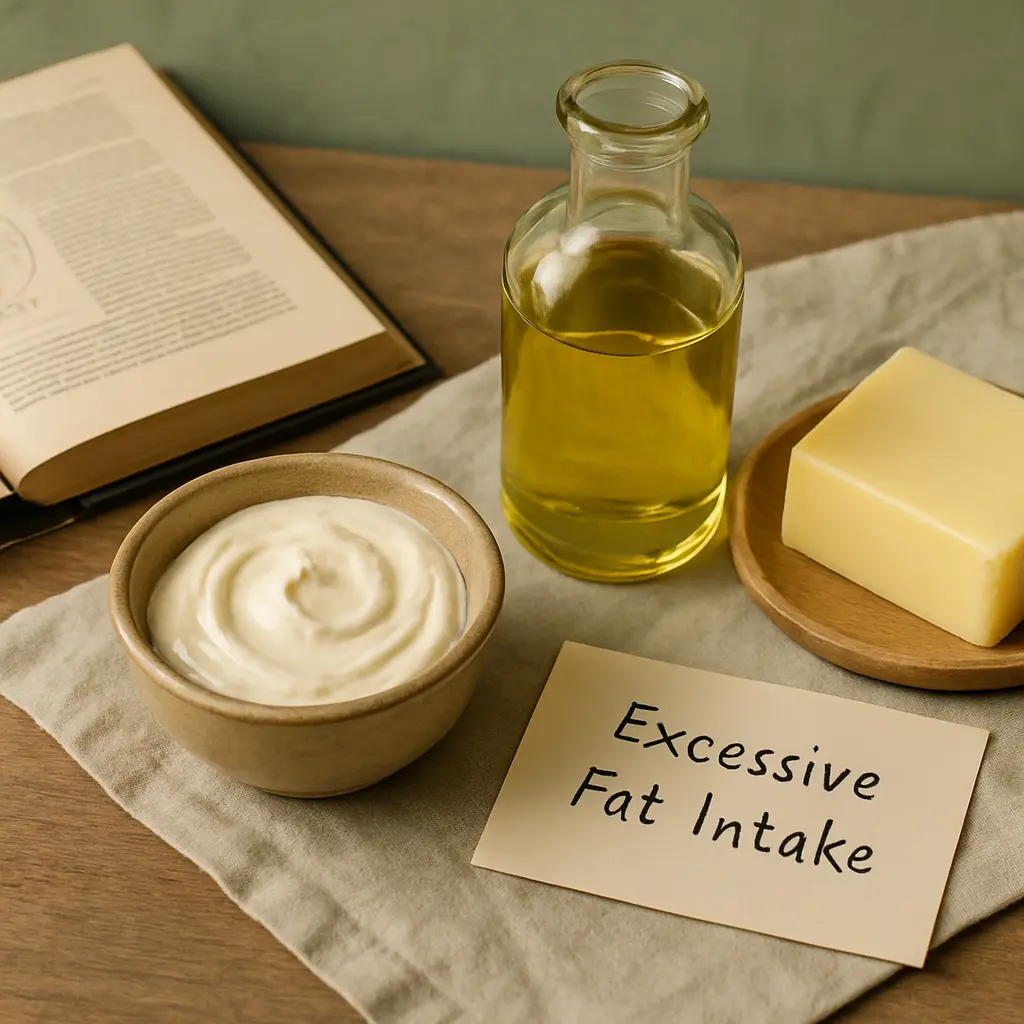
What Happens If You Get Too Much Fats?
In this page
Fats are an essential component of our diet, playing crucial roles in energy provision, nutrient absorption, and cell function. However, an overconsumption of fats, especially unhealthy types, can lead to serious health issues. This article explores the different types of dietary fats, their functions in the body, the potential consequences of excessive intake, and strategies for maintaining a balanced diet. Understanding these aspects can help us make informed decisions about our fat intake and overall health.
Types of Dietary Fats
Dietary fats are categorized into several types, each with distinct health implications. Primarily, these include saturated fats, unsaturated fats (comprising of monounsaturated and polyunsaturated fats), and trans fats.
Saturated fats are often found in animal products like butter, cheese, and red meat. They are also present in some plant oils. While they are necessary for certain bodily functions, excessive intake is linked to increased cholesterol levels and elevated risk of heart disease.
Unsaturated fats are considered more beneficial for health. Monounsaturated fats, found in foods such as olive oil, avocados, and nuts, can help improve blood cholesterol levels. Polyunsaturated fats, which include omega-3 and omega-6 fatty acids, are essential for brain function and cell growth. They are present in fish, flaxseeds, and walnuts.
Trans fats are mostly artificial fats used in processed foods to improve texture and shelf life. Found in baked goods, fried foods, and some margarines, they are associated with increased risks of heart disease, stroke, and type 2 diabetes.
The Role of Fats in the Body
Fats are indispensable to a healthy body. They serve several key functions beyond being a significant energy source. Fats aid in the absorption of fat-soluble vitamins – A, D, E, and K. They are also integral to cell membrane structure and function, providing insulation and protecting vital organs.
In addition, fats are involved in the production of important hormones and play a role in cognitive health. The brain consists of roughly 60% fat, emphasizing the importance of dietary fats in maintaining brain health and function. However, the benefits of fats hinge on the type and amount consumed.
Consequences of Excessive Fat Intake
While fats are necessary, excessive intake can lead to numerous health issues. The type of fats consumed largely determines the health outcomes.
Obesity and Weight Gain
Excessive fat consumption, particularly from calorie-dense foods, can easily contribute to energy imbalance and weight gain. Over time, this can lead to obesity, a condition associated with a host of health problems, including diabetes, hypertension, and joint issues.
Cardiovascular Diseases
Diets high in saturated and trans fats can increase the levels of low-density lipoprotein (LDL) cholesterol in the blood, contributing to the buildup of plaques in arteries. This can increase the risk of cardiovascular diseases, including heart attacks and strokes.
Other Health Implications
Beyond cardiovascular concerns, excessive fat intake can contribute to liver disease, certain types of cancer, and metabolic disorders. Trans fats, in particular, have been linked to an increased risk of type 2 diabetes and inflammatory responses in the body.
Recognizing Hidden Fats in Diet
Many processed and packaged foods contain hidden fats, which can easily contribute to excessive intake without being obvious. Foods such as pastries, chips, and ready-to-eat meals often include high levels of unhealthy fats. Reading labels and being aware of ingredient lists can help identify these sources.
Additionally, understanding terms like “partially hydrogenated oils” can guide better food choices, as these are common sources of trans fats.
Balancing Fats in Your Diet
Achieving a balanced intake of dietary fats involves conscious food choices and cooking practices. This ensures that the benefits of fats are optimized while minimizing health risks.
Smart Food Choices
Opt for foods that provide healthy fats, such as avocados, nuts, seeds, and fatty fish like salmon. Limit the intake of processed foods and those high in saturated and trans fats. Substituting saturated fats with unsaturated fats where possible can improve heart health.
Healthy Cooking Practices
Using methods such as grilling, baking, or steaming instead of frying can reduce the need for added fats. When cooking, choose oils rich in unsaturated fats like olive oil or canola oil. Being mindful of portion sizes and avoiding unnecessary additions of butter or cream can also help manage fat intake.
Conclusion
While fats are a vital part of a balanced diet, excessive consumption, particularly of unhealthy types, poses significant health risks. Understanding the different types of fats and their impact on the body allows for better dietary choices that support overall well-being. By recognizing hidden fats, choosing healthier options, and adopting mindful cooking practices, individuals can effectively manage their fat intake.
References & Further Reading
For those interested in exploring this topic further, reputable sources such as the American Heart Association and dietary guidelines from health institutions provide valuable insights into the role of fats in nutrition and health. Consulting these resources can aid in developing a comprehensive understanding of how to incorporate fats into a healthy lifestyle effectively.
This article is for informational purposes only and does not constitute medical advice. Always consult a registered dietitian or healthcare provider before starting any supplement regimen.




