
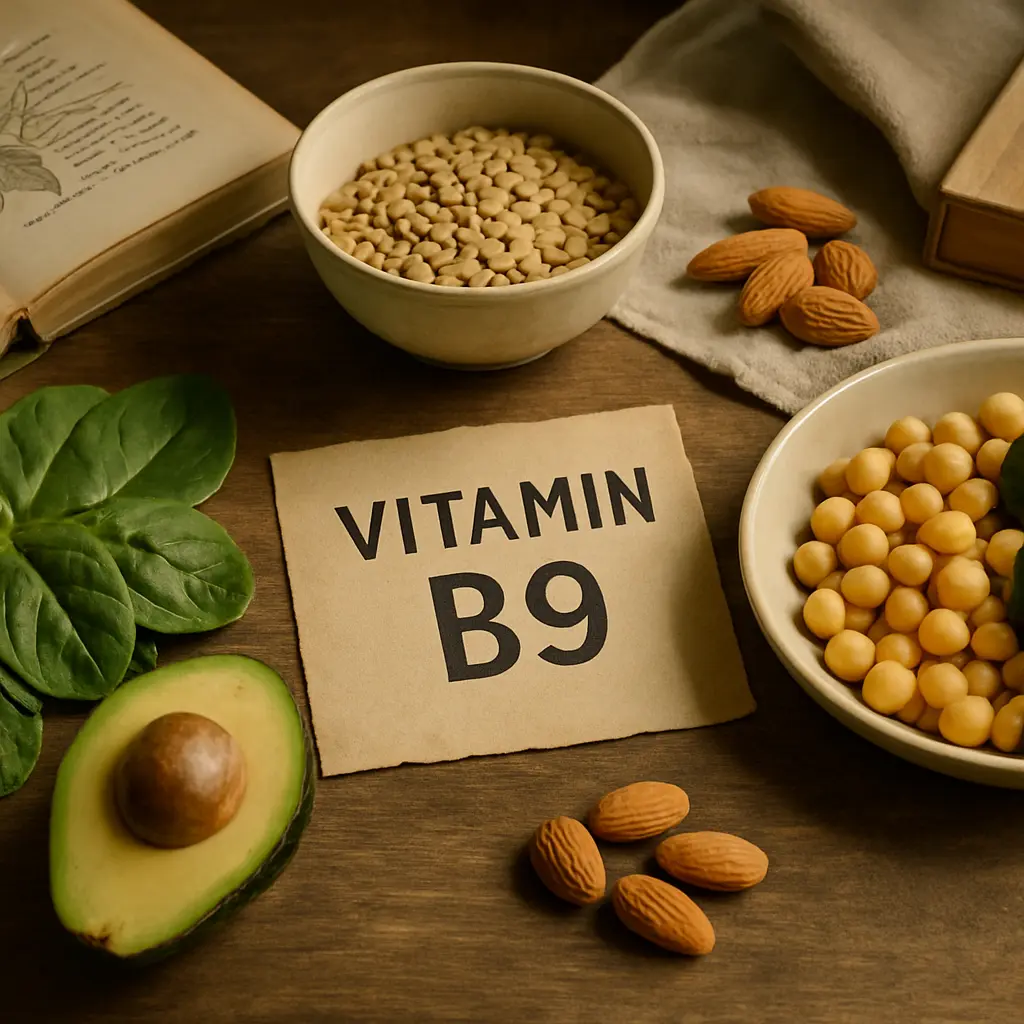
What Foods Contain Vitamin B9?
In this page
Vitamin B9, also known as folate or folic acid in its synthetic form, is an essential nutrient that plays a critical role in many bodily functions. From supporting cell division to contributing to DNA synthesis, its importance cannot be overstated. This article explores the various natural food sources of Vitamin B9, its benefits, and how to maximize its absorption. We will also examine fortified foods and supplements, as well as the signs of Vitamin B9 deficiency.
Understanding Vitamin B9
Vitamin B9 is part of the B-vitamin complex, a group of water-soluble vitamins that play crucial roles in cell metabolism. Folate, the natural form of this vitamin, is found in various foods, whereas folic acid, its synthetic counterpart, is present in fortified foods and supplements. This vitamin is pivotal for creating new cells in the body and is especially important during periods of rapid growth such as pregnancy and infancy.
Folate helps in the formation of red blood cells and is crucial for preventing certain types of anemia. It is also involved in mitigating homocysteine levels, an amino acid in the blood that, when elevated, can lead to cardiovascular diseases. Thus, maintaining adequate levels of Vitamin B9 is essential for overall health and well-being.
Benefits of Vitamin B9
The health benefits of Vitamin B9 are extensive. It plays a key role in DNA synthesis and repair, making it vital for cell division and growth. This is particularly important during pregnancy, as adequate folate levels reduce the risk of neural tube defects in the developing fetus.
Beyond reproductive health, Vitamin B9 contributes to heart health by regulating homocysteine levels. High levels of this amino acid are associated with an increased risk of heart disease, and folate works alongside Vitamins B6 and B12 to help convert homocysteine into methionine, a harmless amino acid.
Additionally, folate is believed to have a role in mental health. Some studies suggest that adequate folate levels are associated with a reduced risk of depression and cognitive decline in older adults, although more research is needed in this area.
Natural Food Sources of Vitamin B9
Obtaining sufficient Vitamin B9 from food sources is both feasible and beneficial, as whole foods provide a complex array of nutrients that work synergistically. Here are some of the best natural sources:
Leafy Green Vegetables
Leafy greens are among the richest sources of Vitamin B9. Vegetables such as spinach, kale, collard greens, and romaine lettuce provide high levels of folate. Just one cup of boiled spinach can provide about 263 micrograms of folate, which is more than half of the recommended daily intake for adults.
Legumes and Beans
Legumes, including lentils, chickpeas, and black beans, are excellent sources of folate. For instance, a half-cup of cooked lentils contains approximately 179 micrograms of folate. These foods are also high in protein and fiber, making them a nutritious addition to any diet.
Fruits Rich in Vitamin B9
Certain fruits are also good sources of folate. Oranges, papayas, avocados, and bananas contain appreciable amounts of this vitamin. For example, one medium-sized orange provides about 29 micrograms of folate, while a cup of papaya provides around 53 micrograms.
Nuts and Seeds
Nuts and seeds, such as sunflower seeds, peanuts, and almonds, contribute to folate intake. A quarter-cup of sunflower seeds can deliver about 82 micrograms of folate. These foods also provide healthy fats and other essential nutrients, adding diversity to the diet.
Fortified Foods and Supplements
In many countries, foods such as cereals, bread, and pasta are fortified with folic acid to help meet the population’s dietary needs. Fortification helps reduce the risk of folate deficiency, particularly in populations with limited access to diverse food sources. Additionally, supplements are available for those who may require higher folate intake, such as pregnant women or individuals with certain health conditions.
While fortified foods and supplements can be beneficial, it is important to consult with a healthcare provider before beginning any supplementation, as excessive intake of folic acid may mask the symptoms of Vitamin B12 deficiency.
How to Maximize Vitamin B9 Absorption
To ensure optimal absorption of Vitamin B9, consider the following tips:
- Pair with Vitamin C-rich Foods: Vitamin C can enhance the bioavailability of folate, so consuming citrus fruits, tomatoes, or bell peppers along with folate-rich foods may be beneficial.
- Avoid Overcooking: Folate is sensitive to heat and can be destroyed by prolonged cooking. To preserve its content, opt for steaming or microwaving vegetables rather than boiling them.
- Maintain a Balanced Diet: A varied diet ensures that you receive a range of nutrients that work together to enhance nutrient absorption.
Signs of Vitamin B9 Deficiency
A deficiency in Vitamin B9 can lead to several health issues. Common signs include fatigue, weakness, irritability, and difficulty in concentrating. Severe deficiency may result in megaloblastic anemia, characterized by large and abnormal red blood cells.
In pregnant women, folate deficiency increases the risk of neural tube defects in the developing baby, underscoring the importance of adequate intake. If you suspect a deficiency, it is crucial to seek medical advice for proper assessment and intervention.
Conclusion
Vitamin B9 is an indispensable nutrient that supports numerous physiological functions, from DNA synthesis to maintaining heart and mental health. Incorporating a variety of natural food sources, such as leafy greens, legumes, fruits, and nuts, can help meet your folate needs. While fortified foods and supplements provide additional means to obtain this vitamin, a balanced and diverse diet remains the cornerstone of good nutrition.
References
For the purpose of this article, several scientific studies, nutritional databases, and health organization guidelines were consulted to ensure accurate and reliable information. Always consider consulting a healthcare professional for personalized dietary recommendations.
This article is for informational purposes only and does not constitute medical advice. Always consult a registered dietitian or healthcare provider before starting any supplement regimen.




