What Foods Contain Boron?
In this page
Boron is an often-overlooked micronutrient, yet it plays a crucial role in our overall health and wellness. This article explores the significance of boron, how much you need, and where to find it in your diet. We will delve into boron-rich foods, including fruits, vegetables, nuts, seeds, legumes, and whole grains. You’ll also find tips for optimizing boron absorption and considerations for safe intake. By the end of this article, you’ll have a comprehensive understanding of how to incorporate boron into your daily nutrition for optimal health benefits.
Understanding Boron: An Essential Micronutrient
Boron is a trace element that occurs naturally in the environment, primarily in the soil, and is absorbed by plants. Although it is not classified as a vitamin or a mineral, boron is essential for the healthy functioning of the human body. It supports bone health, brain function, and hormonal balance, and plays a role in metabolizing other minerals such as calcium and magnesium.
Recent scientific research suggests that boron may help maintain bone density, improve wound healing, and enhance vitamin D metabolism. Additionally, it has been linked to reducing inflammation and oxidative stress, contributing to overall cellular health. Despite its numerous benefits, boron remains an underappreciated nutrient in many dietary discussions.
How Much Boron Do You Need?
Unlike many vitamins and minerals, there is no established Recommended Dietary Allowance (RDA) for boron. However, nutritional experts have suggested that an intake of 1 to 3 milligrams per day is considered adequate for most adults. The amount of boron required can vary based on age, sex, and overall health. For instance, individuals with specific health conditions or dietary limitations may need to pay closer attention to their boron intake.
It is generally safe to obtain boron through a balanced diet comprising a variety of fruits, vegetables, nuts, and whole grains. A well-rounded diet typically provides sufficient boron to meet the body’s needs. Nevertheless, understanding which foods are particularly rich in boron can help you ensure you are getting enough of this essential nutrient.
Top Boron-Rich Foods to Include in Your Diet
Fruits High in Boron
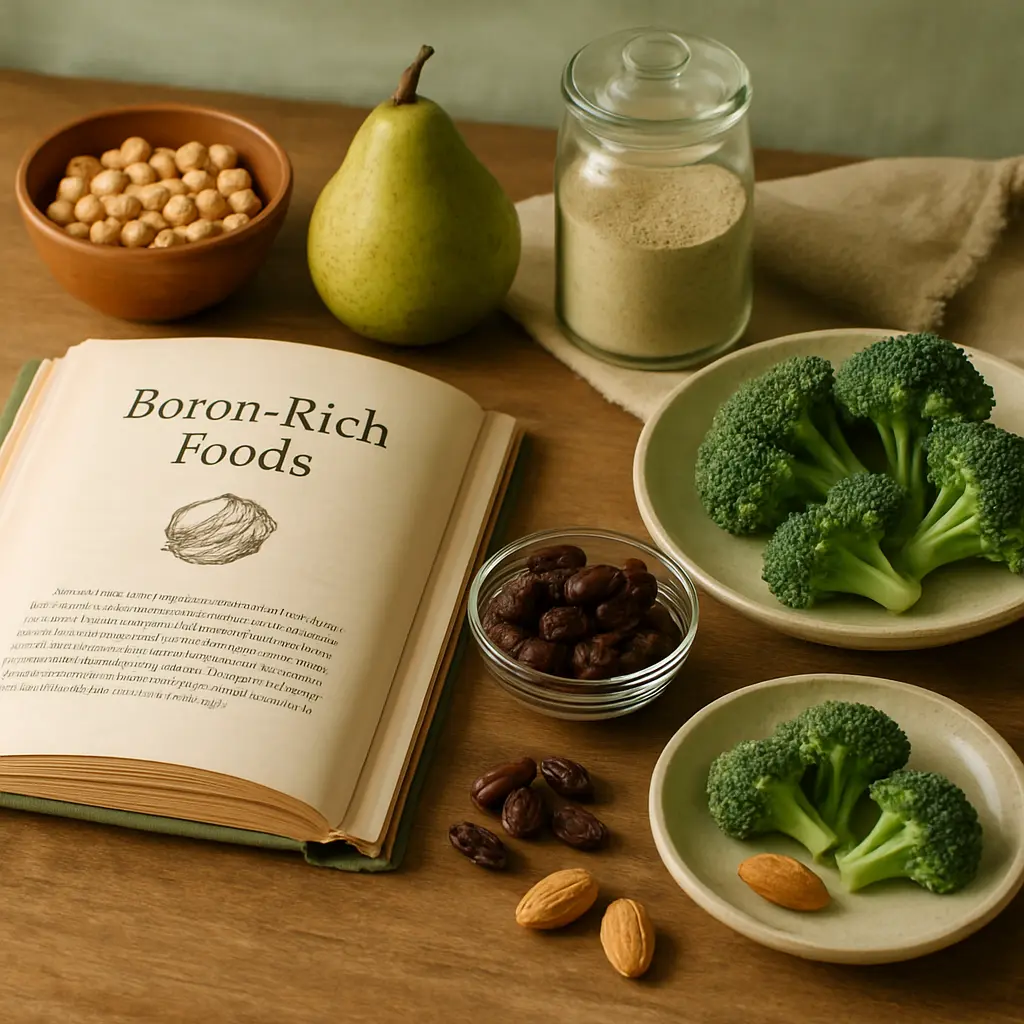
Fruits are a delicious and nutritious way to incorporate boron into your diet. Some fruits that are particularly high in boron include apples, pears, plums, grapes, and bananas. Dried fruits like raisins, apricots, and prunes are also excellent sources due to their concentrated boron content. Incorporating a variety of these fruits into your daily meals can help you meet your boron needs.
Vegetables That Are Great Sources of Boron
Vegetables are another excellent source of boron. Leafy greens such as spinach, kale, and Swiss chard are notable for their boron content. Additionally, root vegetables like carrots, potatoes, and beets provide a healthy dose of boron. Including a mix of these vegetables in your diet not only boosts boron levels but also adds essential vitamins and minerals.
Nuts and Seeds as Boron Powerhouses
Nuts and seeds are compact sources of boron and other beneficial nutrients. Almonds, walnuts, and hazelnuts, for example, are rich in boron and can be easily integrated into snacks or meals. Seeds like flaxseeds, sunflower seeds, and chia seeds also provide boron, along with healthy fats and fiber. Adding a handful of nuts or seeds to your diet can significantly contribute to your daily boron intake.
Boron in Legumes: A Surprising Source
Legumes, including beans, lentils, and chickpeas, are not only high in protein and fiber but also contain significant amounts of boron. Black beans, kidney beans, and lentils are particularly noteworthy. These versatile foods can be included in soups, salads, and main dishes, enhancing both the flavor and nutritional value of your meals.
Boron in Whole Grains and Other Foods
Whole grains such as oats, barley, and quinoa are valuable sources of boron. They can be easily incorporated into breakfast dishes, side dishes, or baked goods. Additionally, certain beverages like coffee and wine contain trace amounts of boron, contributing to overall dietary intake.
While meat and dairy products contain minimal boron, they should not be entirely excluded from a balanced diet, as they offer other essential nutrients. Instead, focus on combining these foods with boron-rich options to ensure comprehensive nutrition.
Tips for Maximizing Boron Absorption
To enhance boron absorption, it is important to consume a diet rich in varied whole foods. Cooking can slightly reduce boron content, so consuming certain foods raw, such as fresh fruits and vegetables, can help maximize intake.
Additionally, maintaining a healthy gut microbiome through the consumption of prebiotics and probiotics can support nutrient absorption. Staying hydrated is also crucial, as it aids in overall digestion and nutrient transport within the body.
Potential Risks and Considerations with Boron Intake
While boron is beneficial, excessive intake can lead to adverse effects. High doses of boron supplements can cause issues such as nausea, diarrhea, or hormonal imbalances. It is advisable to rely on food sources for boron intake, as they provide safe and adequate levels.
Individuals with specific health conditions, such as kidney disease, should consult healthcare providers before significantly altering boron intake. Additionally, pregnant and breastfeeding women should seek medical advice to ensure safe levels for themselves and their babies.
Conclusion: Embrace a Boron-Rich Diet for Health Benefits
Incorporating boron-rich foods into your diet is a simple yet effective way to support your health. By focusing on a varied and balanced diet that includes fruits, vegetables, nuts, legumes, and whole grains, you can naturally meet your boron needs and enjoy its benefits for bone health, brain function, and hormonal balance.
Understanding the role of boron and choosing foods rich in this nutrient can enhance your overall health and wellbeing. Embrace the diversity of boron-rich foods and savor the myriad flavors and textures they bring to your diet.
Frequently Asked Questions About Boron in Foods
Q1: Can a boron deficiency occur from diet alone?
A boron deficiency from diet alone is rare, as a balanced diet typically provides adequate levels. However, certain restrictive diets may necessitate closer attention to boron intake.
Q2: Are boron supplements necessary?
For most individuals, boron supplements are unnecessary if they maintain a balanced diet rich in boron-containing foods. Supplements should only be considered under medical advice, particularly for those with specific health needs.
Q3: How does boron support bone health?
Boron enhances the metabolism of minerals such as calcium and magnesium, which are crucial for maintaining bone density and strength. It also supports vitamin D utilization, further contributing to bone health.
Q4: Is cooking time important for boron retention in foods?
Cooking can slightly reduce boron levels in foods. Consuming raw or lightly cooked fruits and vegetables helps retain more of their boron content.
By fostering an understanding of boron and its dietary sources, you can make informed choices that contribute to a healthier lifestyle, unlocking the full potential of this essential micronutrient.
This article is for informational purposes only and does not constitute medical advice. Always consult a registered dietitian or healthcare provider before starting any supplement regimen.