What are the Symptoms of Taurine Deficiency?
In this page
This article explores the critical role taurine plays in our bodies and the symptoms that may arise from its deficiency. Despite being less well-known than other nutrients, taurine is vital for various bodily functions, including cardiovascular health, vision, muscle function, and neurological processes. Understanding how taurine deficiency occurs and recognizing its signs can be crucial for maintaining overall health and wellness.
Understanding Taurine: An Introduction
Taurine is a sulfur-containing amino acid that, while not used to build proteins, plays numerous essential roles in the human body. Unlike essential amino acids, which must be obtained through diet, taurine is classified as a conditionally essential amino acid. This means the body can produce it under normal circumstances, but additional intake might be needed during periods of illness or stress.
Taurine is found in high concentrations in the brain, retina, heart, and blood cells called platelets. It supports cardiovascular health, aids in the development and function of skeletal muscle, the central nervous system, and the cardiovascular system, and is critical for proper hydration and electrolyte balance. Its antioxidant properties also help protect cells from damage.
Causes of Taurine Deficiency
Taurine deficiency can arise from multiple factors, including inadequate dietary intake, genetic anomalies, or conditions that increase the body’s taurine requirements. Although the body can produce taurine from cysteine, a sulfur-containing amino acid, this process can be inefficient in some individuals, such as those with certain metabolic disorders.
Vegetarians and vegans may be at a higher risk of taurine deficiency since taurine is predominantly found in animal-based products such as meat, fish, and dairy. Additionally, certain medical conditions, such as liver or kidney disease, can impair the body’s ability to synthesize or retain adequate levels of taurine. Lastly, increased physical activity or stress levels can deplete taurine stores, possibly leading to a deficiency if not replenished.
Recognizing the Symptoms of Taurine Deficiency
Understanding and identifying the symptoms of taurine deficiency can be challenging, as they often overlap with various other health conditions. However, recognizing these symptoms is essential for diagnosis and treatment.
Cardiovascular Symptoms
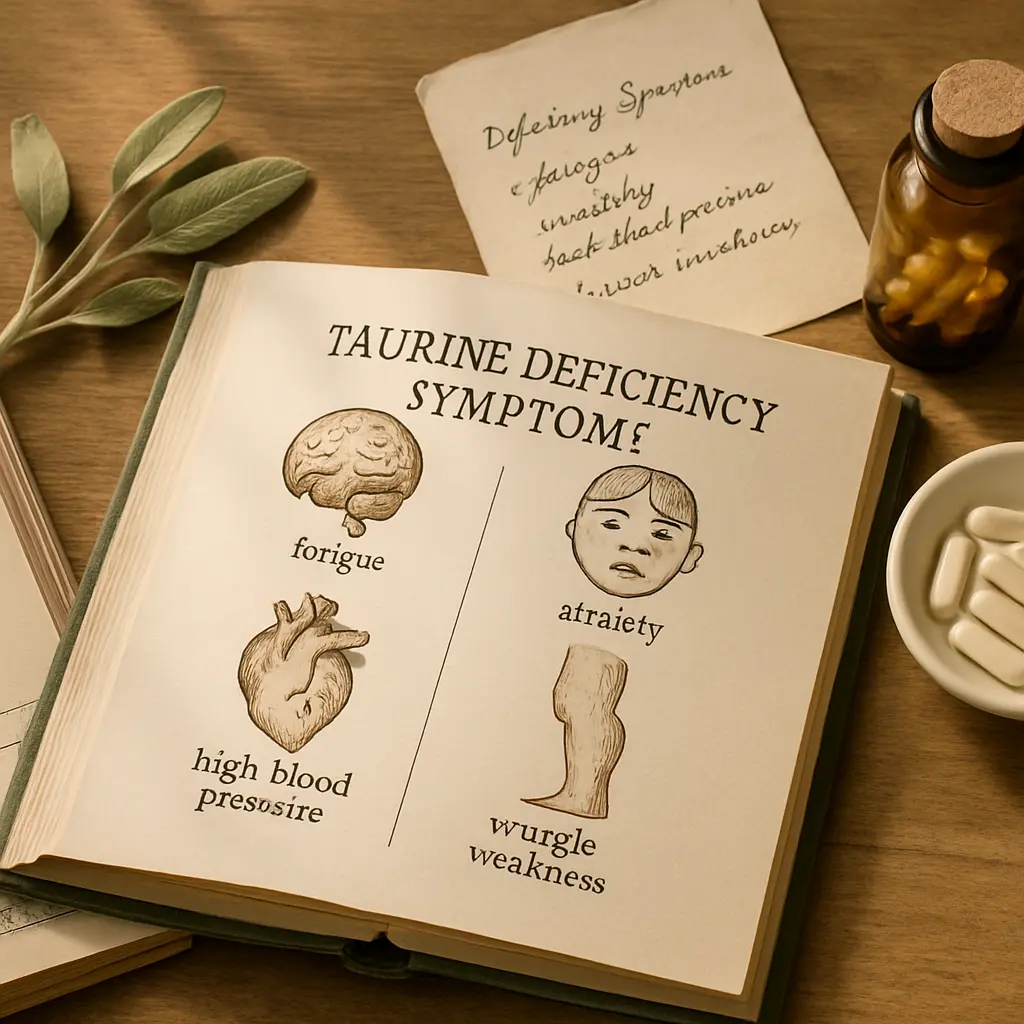
Taurine plays a pivotal role in maintaining cardiovascular health. It helps regulate blood pressure, supports heart muscle function, and has been shown to reduce the risk of heart disease. A deficiency in taurine can lead to elevated blood pressure, increased cholesterol levels, and a higher risk of arrhythmias, which are irregular heartbeats. These symptoms can contribute to the development of more severe cardiovascular conditions if left unaddressed.
Vision and Eye Health Issues
The retina of the eye contains high concentrations of taurine, where it helps protect against oxidative stress and supports normal vision. A deficiency in taurine can contribute to retinal degeneration and impairments in vision. Individuals with low taurine levels may experience symptoms such as blurred vision, difficulty seeing at night, or an increased risk of developing age-related macular degeneration.
Muscle Function and Fatigue
Taurine is essential for proper muscle function, including skeletal muscle and cardiac muscle. It helps maintain muscle cell integrity and supports exercise performance by reducing muscle fatigue and soreness. A deficiency may lead to muscle weakness, cramping, and an overall decrease in physical endurance. People with low taurine levels often report feeling more tired or fatigued, even with minimal physical exertion.
Neurological and Cognitive Symptoms
Taurine is critical for the development and function of the central nervous system. It acts as a neurotransmitter and neuromodulator, influencing brain function and mood regulation. Deficiency may manifest as neurological symptoms, including anxiety, depression, or cognitive impairments such as memory loss and difficulty concentrating. These symptoms highlight taurine’s role in maintaining mental health and cognitive performance.
Diagnosing Taurine Deficiency
Diagnosing taurine deficiency involves a combination of clinical evaluation, dietary assessment, and laboratory testing. Healthcare professionals may begin by reviewing a patient’s dietary habits, medical history, and presenting symptoms. Blood tests can measure taurine levels directly, though they are not routinely conducted in standard clinical practice. If a deficiency is suspected, these tests become crucial for confirming diagnosis.
Early diagnosis is important, as it allows for timely intervention and minimizes the risk of long-term health implications. Accurate assessment and diagnosis can help determine the underlying cause of the deficiency and guide appropriate treatment strategies.
Preventing and Treating Taurine Deficiency
Preventing taurine deficiency focuses on ensuring adequate dietary intake of taurine-rich foods. For those on vegetarian or vegan diets, it’s important to consider fortified foods or supplements, as plant-based sources of taurine are limited. However, one should consult a healthcare provider before taking supplements to confirm necessity and safety.
Treatment of taurine deficiency typically involves dietary adjustments to increase taurine intake through food or supplements. In cases where deficiency results from an underlying condition, managing the primary health issue is essential. Regular monitoring and follow-up with healthcare professionals can help ensure effective management and prevent recurrence.
Conclusion
Taurine is an often-overlooked nutrient, yet it plays a vital role in numerous physiological processes. Recognizing the symptoms of taurine deficiency can be challenging due to their non-specific nature, but awareness is crucial for early diagnosis and intervention. Ensuring an adequate intake of taurine through diet or supplements can help maintain optimal health, particularly for those at heightened risk of deficiency.
Frequently Asked Questions (FAQs)
Is taurine supplementation necessary for everyone?
Not necessarily. Most individuals can obtain sufficient taurine through a balanced diet. Supplements may be beneficial for specific groups, such as vegans or individuals with certain health conditions, but should be taken under medical advice.
Can taurine deficiency be reversed?
Yes, taurine deficiency can often be reversed with dietary changes or supplementation, provided there are no underlying health issues preventing absorption or synthesis.
What foods are high in taurine?
Taurine is abundant in animal-based foods like meat, fish, and dairy products. Plant-based sources contain little to no taurine, so vegans may need to consider fortified foods or supplements.
Are there risks associated with high taurine intake?
While taurine is generally considered safe, excessively high doses from supplements have not been extensively studied and could potentially lead to adverse effects. It’s important to stick to recommended dosages and seek professional advice if unsure.
This article is for informational purposes only and does not constitute medical advice. Always consult a registered dietitian or healthcare provider before starting any supplement regimen.