Let's Shape The Future Of Your Investments!
Natoque iaculis cursus augue urna commodo aptent morbi tortor porttitor quis ornare.

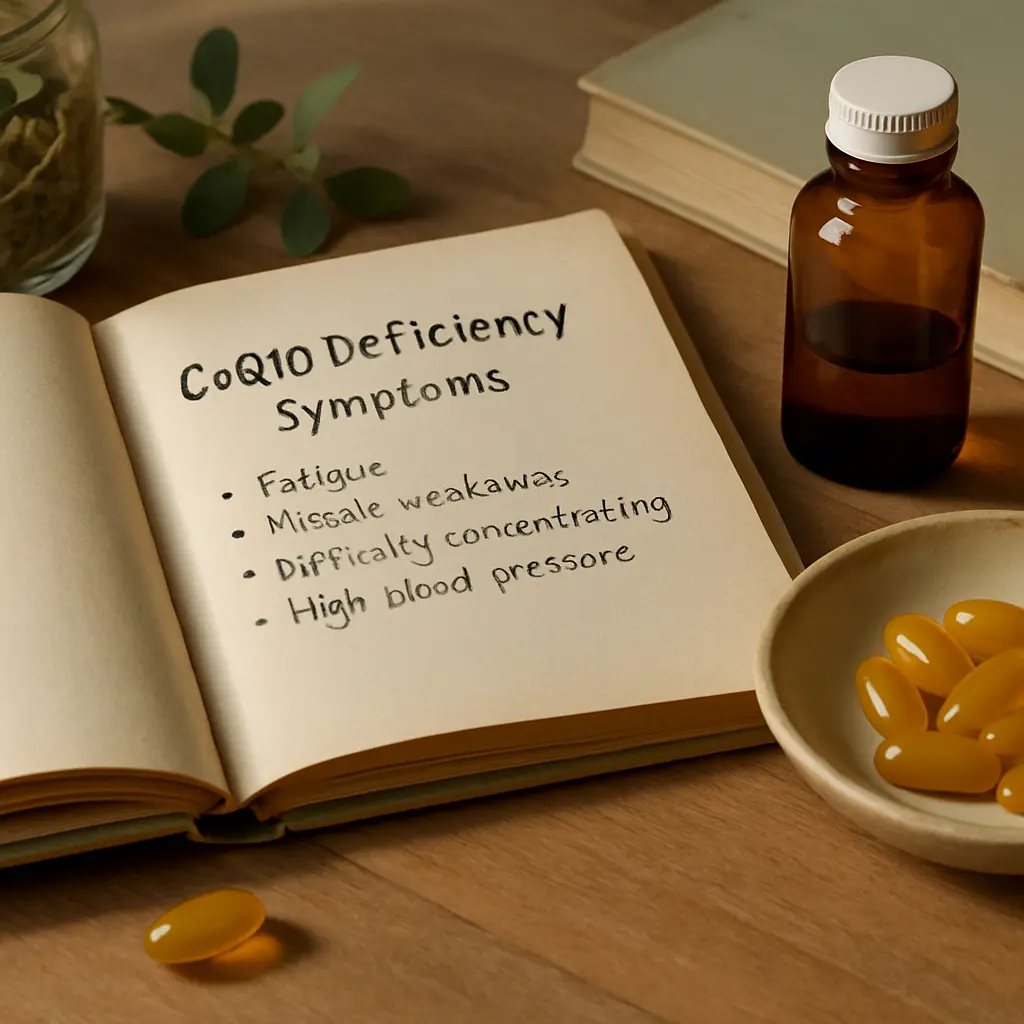
Coenzyme Q10, or CoQ10, plays a vital role in the production of energy within the body’s cells, and its importance is often understated. This article delves into what CoQ10 is, the implications of its deficiency, common symptoms, and various methods to address it. Understanding CoQ10 deficiency can lead to better management of overall health, as it often manifests in several critical systems of the body, impacting energy levels, cardiovascular health, and more.
Coenzyme Q10 is a fat-soluble compound found in nearly every cell of the human body. It is essential for the conversion of food into energy, a process that takes place in the mitochondria of cells. CoQ10 not only supports energy production but also serves as an antioxidant, protecting cells from damage caused by harmful molecules known as free radicals. Although the body produces CoQ10 naturally, factors such as aging, certain health conditions, and medications can reduce its levels, leading to potential deficiencies.
CoQ10 deficiency occurs when the body doesn’t produce enough of this vital compound or when there is an increased need that isn’t being met. The deficiency might stem from genetic mutations affecting CoQ10 production, insufficient dietary intake, or increased oxidative stress, which increases the demand for antioxidants like CoQ10. Additionally, some medications, particularly statins used for lowering cholesterol, are known to reduce CoQ10 levels in the body.
CoQ10 deficiency can manifest in various ways, often impacting multiple bodily systems. Recognizing these symptoms can lead to early diagnosis and treatment, improving overall health outcomes.
One of the primary roles of CoQ10 is energy production. A deficiency often results in fatigue and muscle weakness, which are among the most commonly reported symptoms. Energy levels drop because the mitochondria, responsible for creating 95% of the body’s energy, are less efficient at converting food into usable energy. This inefficiency can be particularly noticeable among individuals who engage in regular physical activity.
The heart, being a muscle that requires a constant energy supply, is significantly affected by CoQ10 deficiency. Symptoms in this regard may include increased blood pressure, heart palpitations, and a higher risk of heart failure. CoQ10 plays a critical role in maintaining the health of blood vessels, and adequate levels are associated with better heart function and reduced cardiovascular risk.
As an antioxidant, CoQ10 also contributes to brain health by protecting neurons from oxidative stress. A deficiency can lead to neurological symptoms such as headaches, dizziness, and in more severe cases, cognitive impairments. Some studies suggest a potential link between low CoQ10 levels and neurodegenerative diseases, although more research is necessary to fully understand this relationship.
CoQ10 supports the immune system by boosting cellular energy production, which is necessary for immune cells to function efficiently. A deficiency might weaken the immune response, making the body more susceptible to infections and prolonged recovery times from illnesses.
Diagnosing CoQ10 deficiency involves a combination of clinical assessment and biochemical testing. Healthcare providers might first evaluate symptoms and medical history to suspect a deficiency. Confirmatory tests include blood plasma levels of CoQ10, although these can fluctuate based on dietary intake and other factors. A more definitive diagnosis might require a muscle biopsy to assess CoQ10 levels directly within tissue cells.
Once a deficiency is identified, several approaches can help restore adequate CoQ10 levels, thereby alleviating symptoms and improving quality of life.
Incorporating CoQ10-rich foods into the diet is a natural way to boost levels. Food sources include fatty fish like salmon and mackerel, organ meats such as liver and kidney, and whole grains. While these foods can help, dietary sources alone may not sufficiently address a significant deficiency.
CoQ10 supplements are available in various forms, including ubiquinone and the more bioavailable ubiquinol. Supplementation can effectively increase CoQ10 levels, especially in individuals with significant deficiencies or those taking medications that deplete CoQ10. It’s important to consult with a healthcare provider before starting supplementation to determine appropriate dosage and form.
Beyond diet and supplementation, lifestyle changes can also support CoQ10 levels. Regular physical activity, stress management, and reducing exposure to environmental toxins can help optimize mitochondrial function and reduce oxidative stress. These changes, in conjunction with dietary and supplemental strategies, can enhance overall well-being.
Coenzyme Q10 is a crucial compound for energy production and antioxidant protection. Deficiencies can lead to a range of symptoms affecting energy levels, cardiovascular health, neurological function, and immune system efficiency. Recognizing these symptoms and addressing them through diet, supplements, and lifestyle changes can significantly impact health positively. As with any health concern, consultation with a healthcare provider is essential for appropriate diagnosis and management.
Q: Can CoQ10 deficiency be prevented?
A: While some factors leading to CoQ10 deficiency, like aging, are unavoidable, others such as diet and lifestyle can be managed. Regular consumption of CoQ10-rich foods and healthy lifestyle choices can help maintain adequate levels.
Q: Are there side effects to taking CoQ10 supplements?
A: CoQ10 supplements are generally well-tolerated, but some individuals may experience mild side effects such as stomach upset or diarrhea. It’s important to start with a low dose and consult with a healthcare provider.
Q: How quickly can symptoms of deficiency improve with treatment?
A: The time it takes for symptoms to improve varies depending on the severity of the deficiency and individual response to treatment. Some may notice improvements within weeks, while others may take longer.
Q: Is CoQ10 deficiency common?
A: While not common in the general population, CoQ10 deficiency is more likely in individuals with specific health conditions, those taking certain medications, and older adults.
By understanding CoQ10 and its role in the body, individuals can make informed decisions to manage and optimize their health effectively.
This article is for informational purposes only and does not constitute medical advice. Always consult a registered dietitian or healthcare provider before starting any supplement regimen.





