
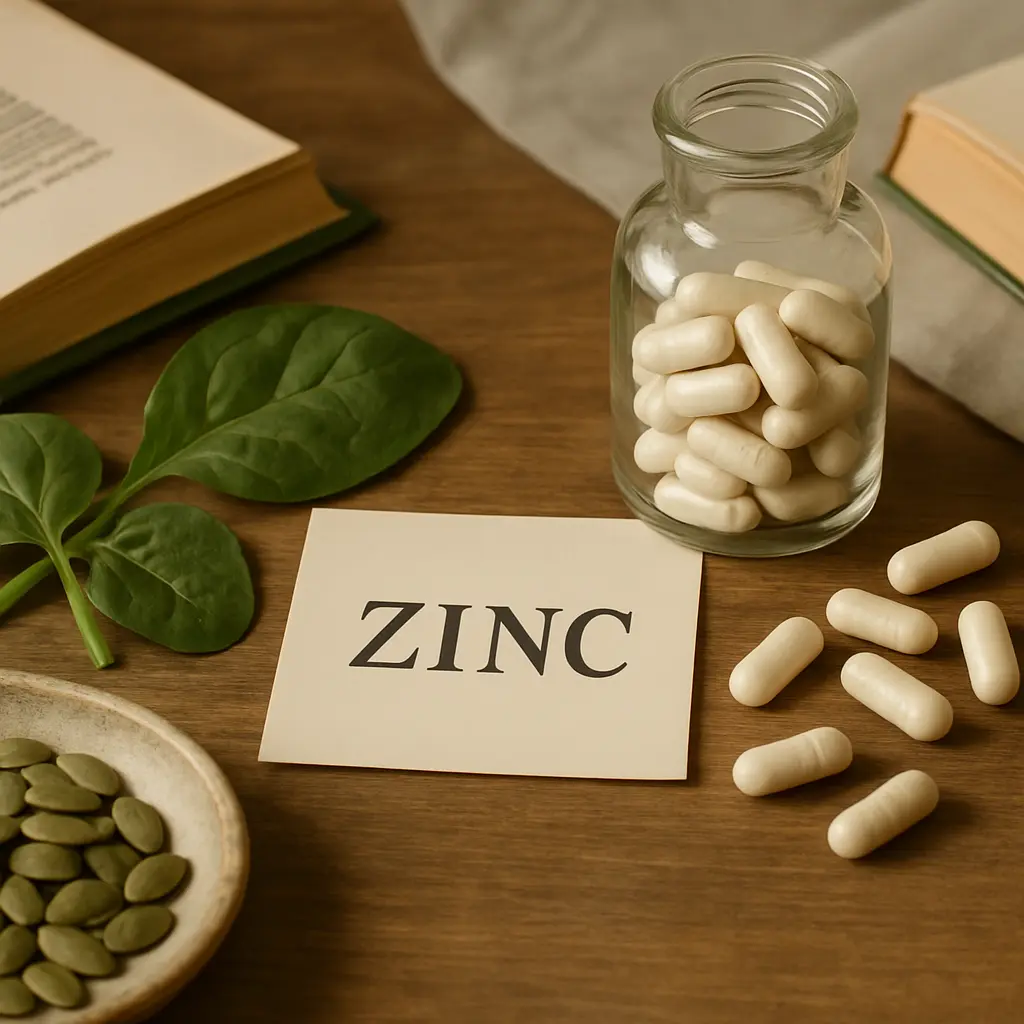
Uses and Functions of Zinc: An Essential Mineral for Health
In this page
Zinc is a trace mineral essential to human health, playing a vital role in numerous biological functions. This article explores the nutritional significance of zinc, its dietary sources, and the health benefits associated with adequate zinc levels. Additionally, it discusses the potential consequences of zinc deficiency, the considerations when choosing zinc supplements, and offers a balanced perspective on zinc’s role in maintaining overall health and well-being.
Introduction to Zinc
Zinc is a crucial micronutrient that supports a wide array of biological processes. While it is required only in small amounts, zinc’s presence is vital for maintaining physiological functions such as immune response, protein synthesis, and DNA formation. Despite being the second most abundant trace mineral in the body after iron, the human body does not naturally store zinc. Therefore, consistent dietary intake is necessary to maintain optimal health. Understanding zinc’s place in nutrition and its broad impact on health can empower individuals to make informed dietary choices.
The Nutritional Role of Zinc in the Human Body
Sources of Zinc in the Diet
Zinc is found in a variety of foods, making it accessible to those following diverse diets. Rich dietary sources include animal products such as beef, pork, and poultry, which provide highly bioavailable zinc. Seafood, particularly oysters, is also an excellent source. For vegetarians, zinc can be obtained from legumes, seeds, nuts, and whole grains, though these plant-based sources are less bioavailable due to the presence of phytates, which can inhibit zinc absorption. Ensuring a balanced diet that incorporates these varied sources can help meet daily zinc requirements.
Recommended Dietary Allowances for Zinc
The recommended dietary allowances (RDAs) for zinc vary by age, gender, and life stage. For adult males, the RDA is 11 mg per day, while adult females require 8 mg. Pregnant and lactating women have higher needs, with RDAs set at 11 mg and 12 mg, respectively. These guidelines help prevent deficiency and support overall health, though individual needs may vary based on specific health conditions, lifestyle factors, and dietary habits.
Health Benefits of Zinc
Zinc and the Immune System
Zinc plays a pivotal role in maintaining a robust immune system. It is involved in the development and function of immune cells such as T-lymphocytes, which are essential for adaptive immune responses. Adequate zinc levels help the body resist infections and reduce the duration and severity of common illnesses like colds. Emerging research suggests zinc may also have antiviral properties, further underscoring its importance in immune health.
Zinc’s Impact on Skin Health
Beyond its immune-supportive role, zinc is integral to skin health. It aids in collagen synthesis, wound healing, and inflammation management, making it beneficial for maintaining skin integrity and appearance. Zinc deficiency can manifest as skin conditions such as acne, eczema, and delayed wound healing. Topical formulations containing zinc are often used to treat acne and protect against sun damage, highlighting its multifaceted role in dermatology.
Zinc Deficiency and Its Effects
Zinc deficiency can have widespread implications for health, affecting growth, immune function, and neurological development. Symptoms of deficiency include loss of appetite, impaired immune response, hair loss, and delayed wound healing. Recognizing and addressing zinc deficiency early can prevent long-term health issues and improve quality of life.
Risk Factors for Zinc Deficiency
Certain populations are at greater risk of zinc deficiency, including pregnant and breastfeeding women, infants, and the elderly. Vegetarians and vegans may also face challenges due to lower bioavailability of zinc from plant-based diets. Gastrointestinal disorders, such as Crohn’s disease and celiac disease, can impair zinc absorption, further increasing deficiency risk. Awareness of these risk factors can aid in the proactive management of zinc intake.
Zinc Supplementation
Zinc supplements can be an effective means of addressing deficiency or meeting increased nutritional needs. They are available in various forms, including zinc gluconate, zinc sulfate, and zinc acetate, each with differing absorption rates and potential side effects. It is important to consult a healthcare professional before beginning supplementation to ensure safety and efficacy.
Choosing the Right Zinc Supplement
When selecting a zinc supplement, consider factors such as bioavailability, dosage, and individual health needs. Chelated forms of zinc, like zinc picolinate, may offer superior absorption. It’s also essential to adhere to recommended dosages, as excessive zinc intake can interfere with the absorption of other essential minerals, such as copper, and may lead to adverse health effects.
Conclusion
Zinc is an indispensable mineral with diverse roles in human health, from supporting immune function to promoting skin health. Ensuring adequate zinc intake through diet, and supplementation when necessary, can help maintain overall well-being and prevent deficiency-related health problems. Educating oneself about zinc’s functions and dietary sources is a valuable step toward a balanced and healthy lifestyle.
Additional Resources
For further reading on zinc and its impact on health, consider exploring reputable sources such as the National Institutes of Health (NIH) Office of Dietary Supplements, the World Health Organization (WHO), and peer-reviewed nutritional journals. These resources offer in-depth information and the latest research findings on zinc nutrition and supplementation.
This article is for informational purposes only and does not constitute medical advice. Always consult a registered dietitian or healthcare provider before starting any supplement regimen.




