Let's Shape The Future Of Your Investments!
Natoque iaculis cursus augue urna commodo aptent morbi tortor porttitor quis ornare.

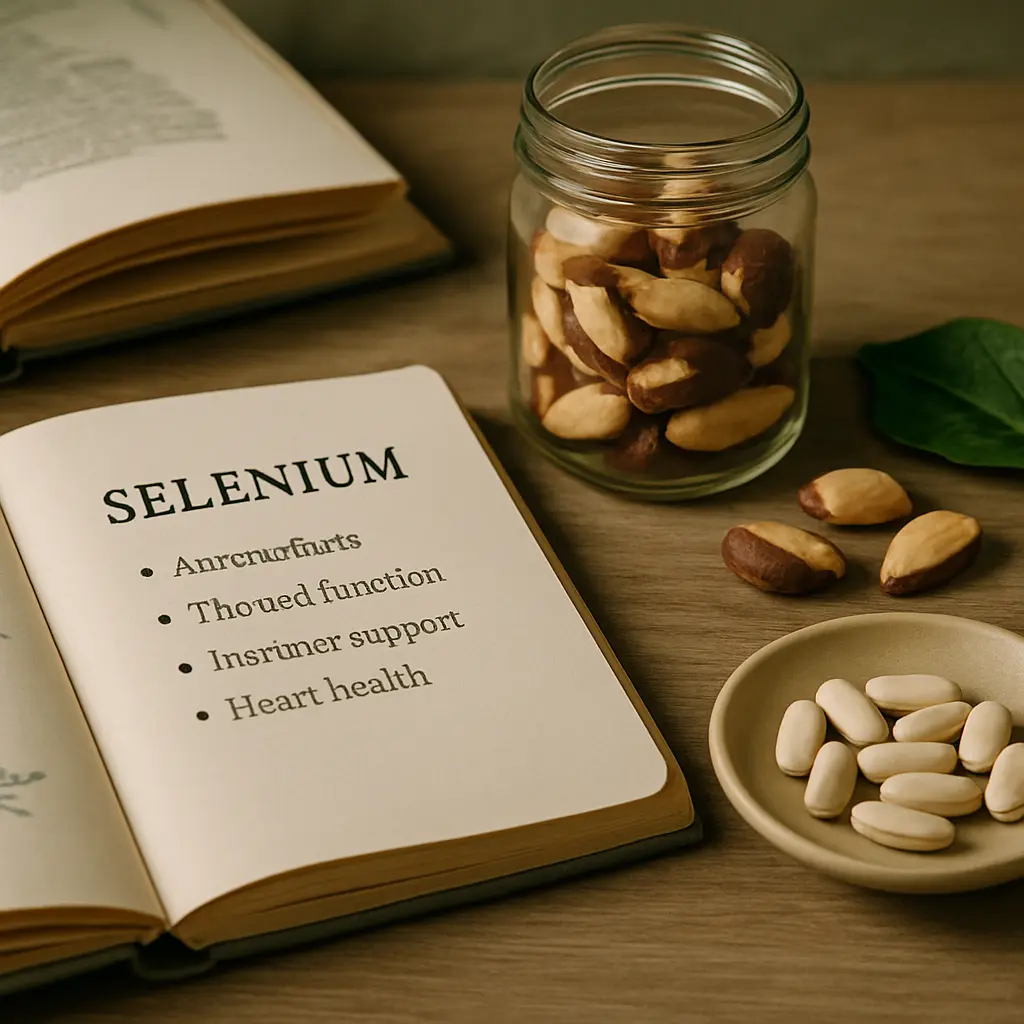
Selenium is a vital trace mineral that plays a critical role in several bodily functions. This article explores the uses and functions of selenium, its sources in food, health benefits, and the importance of maintaining adequate levels. We will also discuss the potential risks associated with selenium deficiency and excess intake, providing a balanced perspective on how to incorporate this essential nutrient into a healthy lifestyle.
Selenium is an essential micronutrient that is important for the proper functioning of the human body. Though required only in small amounts, selenium is crucial for a wide range of physiological processes. It acts as a component of antioxidant enzymes and supports the thyroid gland, immune system, and cardiovascular health. Understanding its uses and functions can lead to better health outcomes and an improved quality of life.
Selenium is a trace element naturally found in the soil, water, and some foods. It is a component of selenoproteins, which are critical to numerous bodily processes. These proteins serve as enzymes that play a role in DNA synthesis, reproduction, metabolism, and protection against oxidative damage and infections. The selenium content in food largely depends on the soil where it was grown, as plants absorb selenium from the soil.
The best dietary sources of selenium are Brazil nuts, seafood, and organ meats. Other good sources include poultry, eggs, and dairy products. Selenium is also present in grains, though the amount varies depending on the soil’s selenium content where they are grown. Consuming a balanced diet that includes a variety of these foods can help maintain adequate selenium levels.
Incorporating selenium into your diet can offer numerous health benefits, thanks to its multifunctional role in the human body. Here, we delve into the various health aspects supported by selenium.
Selenium acts as a powerful antioxidant, helping to combat oxidative stress in the body. It forms part of the enzyme glutathione peroxidase, which protects cells from damage by free radicals. This protection can reduce the risk of chronic diseases, such as cancer and heart disease, by preventing cellular damage.
The thyroid gland contains more selenium per unit of weight than any other organ in the human body. Selenium-dependent enzymes are involved in the synthesis and metabolism of thyroid hormones, crucial for regulating metabolism and energy production. Adequate selenium levels support thyroid health and can help prevent conditions like hypothyroidism and Hashimoto’s disease.
Selenium plays an important role in the immune system by promoting the proliferation of immune cells and enhancing their function. It supports the body’s ability to combat infections and strengthens the immune response. Adequate selenium intake can therefore reduce the risk of infections, such as the common cold, and improve recovery times from illnesses.
Research suggests that selenium may contribute to cardiovascular health by reducing inflammation and preventing the oxidation of lipids, which can lead to atherosclerosis, a condition characterized by the hardening of the arteries. By supporting heart health, selenium may help lower the risk of heart disease, one of the leading causes of death globally.
While not common in many developed countries, selenium deficiency can occur and lead to several health issues. Understanding the symptoms and causes of deficiency is crucial for preventing potential complications.
Selenium deficiency can manifest through symptoms such as muscle weakness or pain, fatigue, mental fog, and hair loss. In severe cases, it can lead to more serious conditions like Keshan disease, a type of heart disease, and Kashin-Beck disease, a form of osteoarthritis that affects joints and bones. Monitoring dietary intake and ensuring a selenium-rich diet can help prevent these issues.
The Recommended Dietary Allowance (RDA) for selenium varies with age, sex, and life stage. For adult men and women, the RDA is 55 micrograms per day. Pregnant and lactating women have slightly higher needs, at 60 and 70 micrograms per day, respectively. It’s important to note that while selenium is necessary, consuming it in excess can lead to toxicity.
Selenium toxicity can occur from excessive intake through supplements or diet. Symptoms of toxicity include gastrointestinal distress, hair and nail loss, fatigue, irritability, and even nerve damage. The Tolerable Upper Intake Level (UL) for selenium is set at 400 micrograms per day for adults. To avoid toxicity, it’s advisable to focus on dietary sources of selenium and consult with a healthcare provider before taking supplements.
Selenium is an essential micronutrient with significant roles in maintaining health and preventing disease. Its antioxidant properties, support for thyroid function, immune enhancement, and benefits for cardiovascular health highlight its importance in a balanced diet. Ensuring adequate but not excessive selenium intake can protect against deficiency and potential toxicity, supporting overall well-being.
For further information on selenium and its health impacts, consult reputable sources such as government health websites, peer-reviewed journals, and nutrition textbooks. Professional guidance from nutritionists and healthcare providers can also be valuable in tailoring dietary choices to meet individual health needs.
This article is for informational purposes only and does not constitute medical advice. Always consult a registered dietitian or healthcare provider before starting any supplement regimen.





