
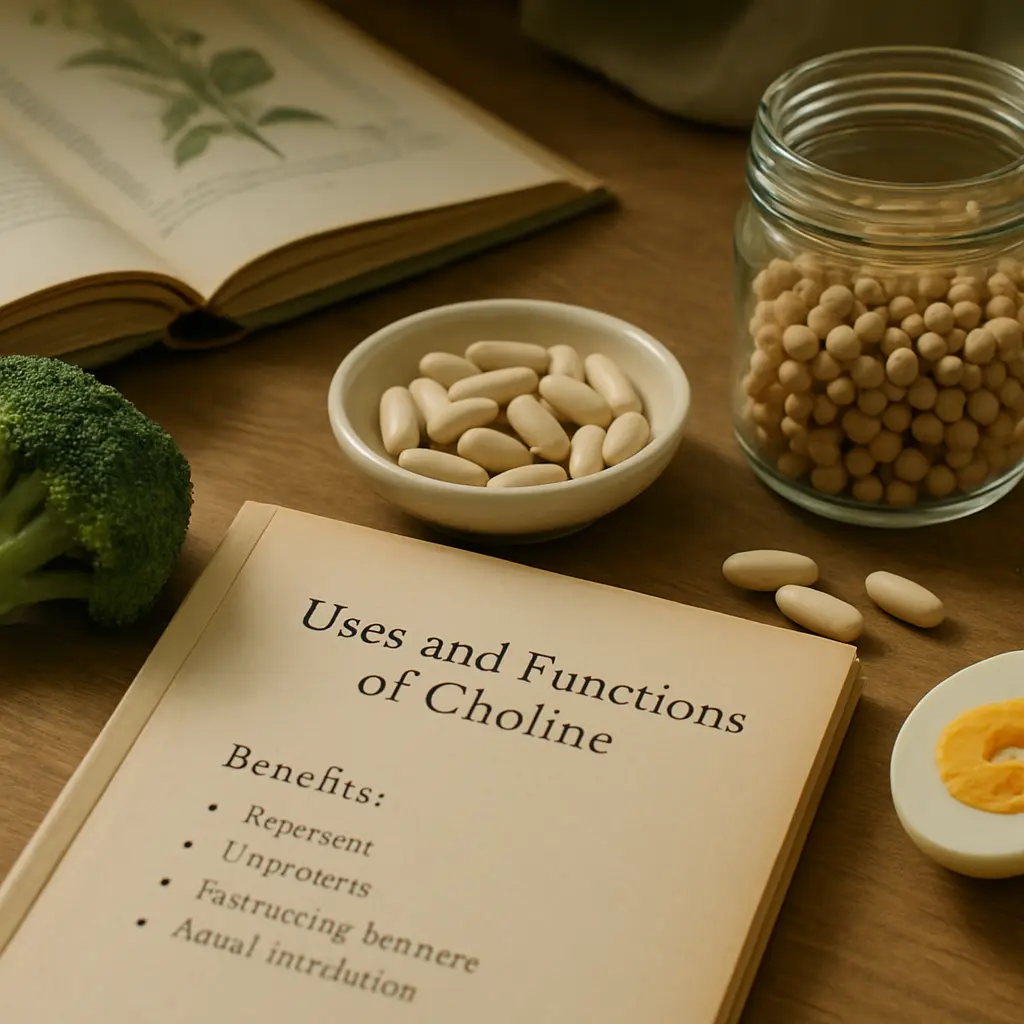
Uses and Functions of Choline
In this page
Choline is an essential nutrient that plays a critical role in multiple biological processes. From supporting brain health to aiding liver and heart functions, choline is indispensable for maintaining overall well-being. This article delves into the significance of choline, exploring its functions within the body, dietary sources, and potential supplementation. We also discuss the safety and risks associated with choline consumption, providing a comprehensive understanding of this vital nutrient.
Introduction to Choline
Choline is a water-soluble compound that is often grouped with B vitamins due to its similar functions and characteristics. Discovered in the mid-19th century, choline has since been recognized as a crucial component of human nutrition. Although the body can synthesize small amounts of choline, dietary intake is necessary to meet physiological needs. The nutrient is essential for various bodily functions, including cellular maintenance, neurotransmitter synthesis, and lipid metabolism, making it an integral part of a balanced diet.
What is Choline?
Choline is a vital nutrient involved in numerous biological processes. It serves as a precursor to acetylcholine, a neurotransmitter essential for muscle function, memory, and mood regulation. Additionally, choline is a component of phospholipids, which are integral to cell membrane structure and function. Despite its importance, choline is not classified as a vitamin or mineral, yet it is recognized as an essential nutrient by health institutions worldwide due to its critical roles in maintaining health.
Key Functions of Choline in the Body
Role in Brain Development and Health
Choline plays a pivotal role in brain development, particularly during pregnancy and early childhood. It contributes to the formation of the fetal brain and spinal cord, influencing cognitive development and functioning throughout life. Adequate choline intake during pregnancy is associated with improved memory and cognitive performance in offspring. In adults, choline continues to support brain health by facilitating nerve signaling and protecting against cognitive decline.
Choline and Liver Health
The liver relies on choline for the transportation and metabolism of fats. Choline deficiency can lead to the accumulation of fat in the liver, resulting in non-alcoholic fatty liver disease (NAFLD). This condition, if left unmanaged, can progress to more severe liver issues. Choline aids in the synthesis of phosphatidylcholine, a molecule necessary for the export of fats from the liver, thus playing a protective role against liver damage.
Choline in Heart Health
Choline is also crucial for cardiovascular health. It contributes to the synthesis of homocysteine, an amino acid in the blood. Elevated homocysteine levels are a known risk factor for cardiovascular diseases. Choline helps maintain these levels within a healthy range, thus reducing the risk of heart disease. Furthermore, choline’s role in lipid metabolism supports healthy cholesterol levels, contributing to overall cardiovascular health.
Dietary Sources of Choline
Choline can be found in both animal and plant-based foods, making it accessible to various dietary preferences. Rich sources of choline include eggs, beef liver, chicken, and fish. For vegetarians and vegans, choline can be obtained from soybeans, peanuts, broccoli, and Brussels sprouts. It’s important for individuals to incorporate these foods into their diet to ensure adequate choline intake, as deficiencies can lead to health issues.
Choline Supplements: When and Why
Choline supplements may be considered when dietary intake is insufficient or in specific life stages such as pregnancy, where demand is higher. Supplements like choline bitartrate or phosphatidylcholine can help bridge the gap between dietary intake and physiological requirements. However, it’s essential to consult with a healthcare professional before commencing supplementation, as excessive choline intake can lead to adverse effects.
Potential Risks and Side Effects
While choline is essential, excessive intake can cause side effects such as fishy body odor, sweating, and gastrointestinal distress. High doses can also lower blood pressure and lead to an increased risk of cardiovascular issues. The established tolerable upper intake level (UL) for adults is 3,500 mg per day. Staying within recommended levels ensures that individuals reap the benefits of choline without experiencing negative side effects.
Conclusion: The Significance of Choline
Choline is an indispensable nutrient, integral to numerous bodily functions, including brain health, liver function, and cardiovascular support. Ensuring adequate choline intake through diet or supplementation is crucial for maintaining optimal health and preventing deficiencies. By understanding the importance of choline and incorporating it appropriately into our diets, we can support long-term health and well-being.
FAQs about Choline
- What are the signs of choline deficiency? Symptoms of choline deficiency include muscle damage, liver dysfunction, and cognitive decline. It’s important to recognize these signs early and adjust dietary intake accordingly.
- Can I get enough choline from a vegetarian diet? Yes, vegetarians can obtain sufficient choline from foods like soy products, nuts, and cruciferous vegetables, though they may need to pay closer attention to their intake.
- Are there any groups at higher risk for choline deficiency? Pregnant and breastfeeding women, as well as older adults, may require higher choline intake due to increased physiological demands.
- How does choline affect prenatal development? Choline is critical for fetal brain and spinal cord development, impacting cognitive function and memory in offspring.
- What should I consider before taking choline supplements? Consult with a healthcare professional to determine if supplements are necessary for your individual health needs, and ensure they align with dietary intake and lifestyle.
This article is for informational purposes only and does not constitute medical advice. Always consult a registered dietitian or healthcare provider before starting any supplement regimen.




