
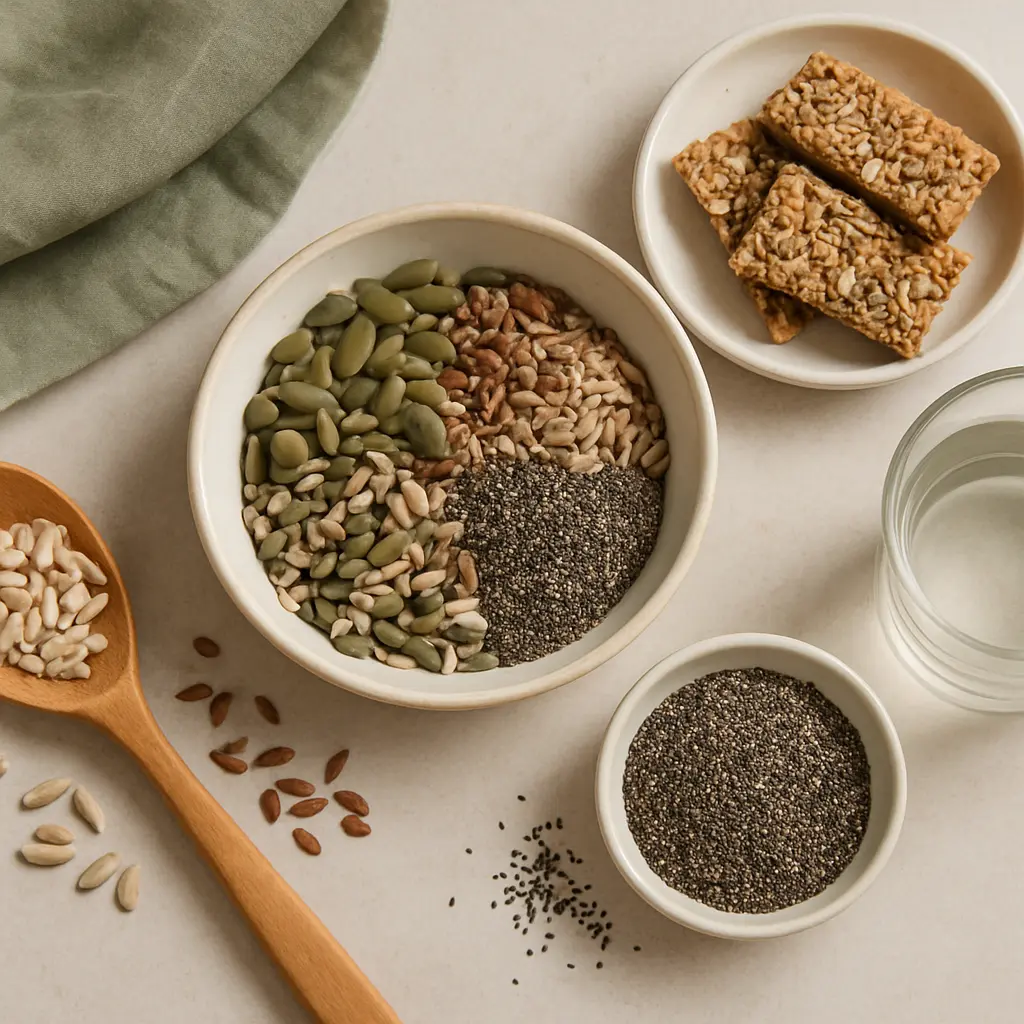
Unlocking the Nutritional Power of Seeds: A Comprehensive Guide to Healthier Snacking
In this page
Incorporating seeds into your daily diet can significantly enhance the nutritional value of your snacks. This page explores the impressive health benefits of various seeds, including chia, flax, sunflower, and pumpkin seeds. We delve into their nutritional profiles, discuss how they can be used in everyday meals, and provide a balanced perspective on their consumption. Through understanding the scientific context and practical applications, you can make informed decisions about adding these tiny powerhouses to your diet.
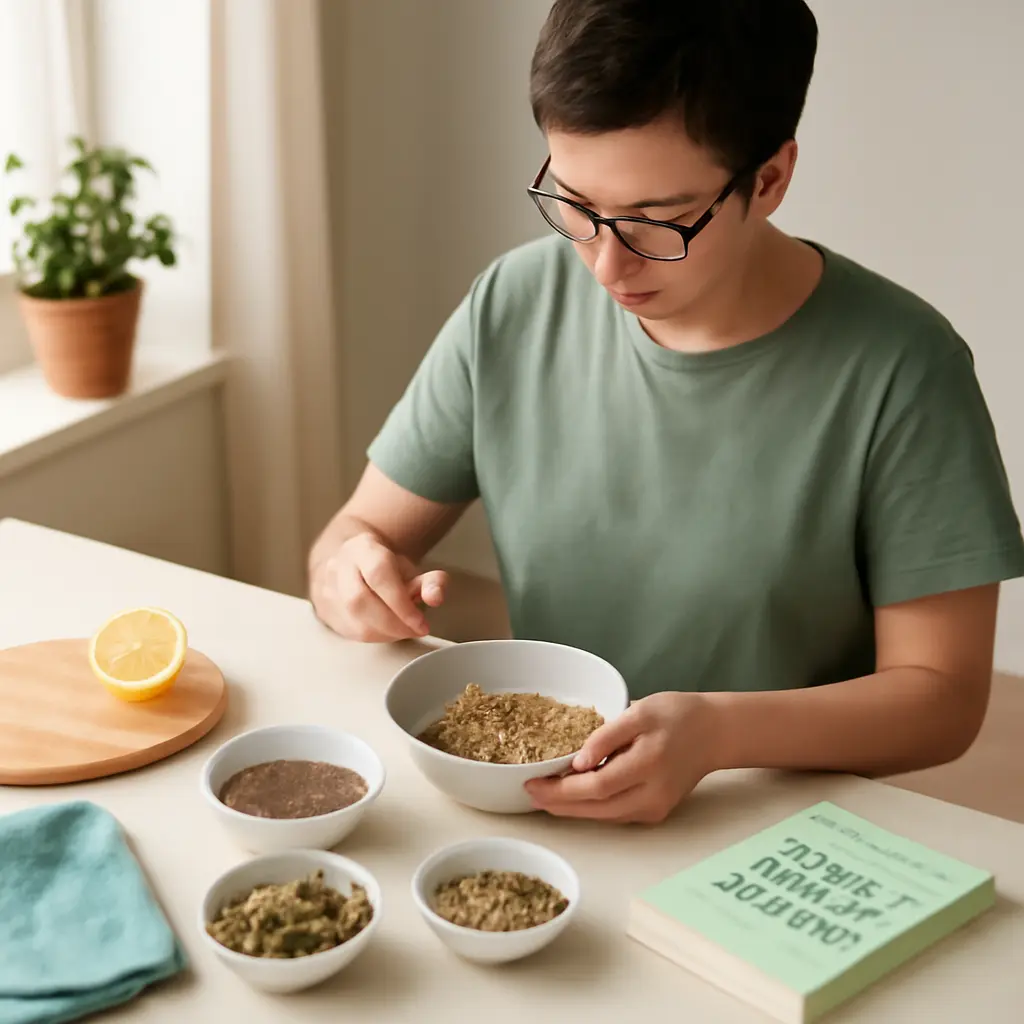
Scientific Background and General Context
Seeds are often overlooked as a dietary component, yet they are packed with essential nutrients that can contribute to better health. These small but mighty seeds are rich in vitamins, minerals, fiber, protein, and healthy fats. They have been lauded for their potential to boost energy, support heart health, aid in weight management, and improve overall wellness.Chia seeds, flaxseeds, sunflower seeds, and pumpkin seeds each have unique compositions that offer specific health benefits. The high fiber content in these seeds can aid digestion and promote a healthy gut. The plant-based protein they provide is crucial for muscle repair and growth. Moreover, the healthy fats, including omega-3 fatty acids, found in some seeds are vital for heart health.Scientific studies have linked the consumption of seeds to reduced risk factors for chronic diseases, such as cardiovascular disease, diabetes, and obesity. Their anti-inflammatory properties, thanks to antioxidants and polyphenols, further enhance their reputation as functional foods that support a healthy lifestyle.

Daily Use and Lifestyle Applications
Incorporating seeds into your meals doesn’t require a drastic change to your diet. A sprinkle here or a handful there can make a world of difference. Here are some practical ways to include seeds in your diet:
Chia Seeds
Chia seeds are versatile and can be easily added to a variety of dishes. Known for their mild, nutty flavor, they can be sprinkled onto oatmeal, yogurt, or salads. Chia seeds are also famous for their ability to absorb liquid, which makes them an excellent base for puddings and smoothies. Simply combine chia seeds with your choice of milk or milk alternatives, a natural sweetener, and flavors like vanilla or cocoa for a nutritious dessert.
Flaxseeds
Flaxseeds, or linseeds, are best consumed ground, as this enhances nutrient absorption. Their slightly nutty taste complements cereals, smoothies, and baked goods. Ground flaxseeds can also be used as an egg substitute in vegan baking, with one tablespoon of flax meal mixed with three tablespoons of water serving as the equivalent of one egg.
Sunflower Seeds
Sunflower seeds can be enjoyed raw or roasted and add a delightful crunch to salads and granola. They’re also a great topping for yogurt and can be incorporated into baking recipes like bread and muffins. Sunflower seed butter is a popular alternative to nut butters, offering a creamy texture and a rich flavor.
Pumpkin Seeds
Also known as pepitas, pumpkin seeds have a sweet, nutty flavor and can be enjoyed on their own as a snack or added to dishes. They make an excellent topping for soups and salads and can be blended into pesto or hummus for a nutritious dip. Roasting pumpkin seeds enhances their flavor and is a favorite treat during the fall season.
Nutritional Profiles of Selected Seeds
Understanding the nutritional content of seeds can help you make informed dietary choices. Here’s a closer look at the nutritional profiles of chia seeds, flaxseeds, sunflower seeds, and pumpkin seeds.
| Seed Type | Calories (per 1 oz) | Protein (g) | Fiber (g) | Healthy Fats |
|---|---|---|---|---|
| Chia Seeds | 138 | 4.7 | 9.8 | Omega-3 |
| Flaxseeds | 150 | 5.2 | 7.6 | Omega-3 |
| Sunflower Seeds | 164 | 5.8 | 3.0 | Monounsaturated, Omega-6 |
| Pumpkin Seeds | 151 | 7.0 | 1.7 | Omega-3, Omega-6 |
Balanced Perspective and Safety
While seeds offer numerous health benefits, it’s essential to consume them in moderation as part of a balanced diet. Overconsumption can lead to unwanted calorie intake, and some individuals may experience digestive discomfort if they increase their fiber intake too quickly. Start by adding small amounts to your diet and gradually increase as your body adjusts.Additionally, some seeds contain natural compounds that could interfere with nutrient absorption. For instance, flaxseeds contain lignans, which are phytoestrogens that may have hormonal effects if consumed in large quantities. It’s crucial to maintain a varied diet to prevent potential imbalances.Individuals with allergies should be cautious, as seeds can trigger allergic reactions in some people. If you have a seed allergy, it’s necessary to consult with a healthcare provider before incorporating new seeds into your diet.
Conclusion
Seeds are a powerful addition to a healthy diet, offering a rich array of nutrients that can support various aspects of health. From heart health to digestive wellness, the benefits of these small but mighty seeds are vast. By understanding their nutritional profiles and learning how to incorporate them into daily meals, you can take a proactive step towards a healthier lifestyle. Remember to enjoy seeds as part of a balanced diet, and be mindful of any personal dietary restrictions. With their versatility and nutritional density, seeds truly are a superfood worth celebrating.


