
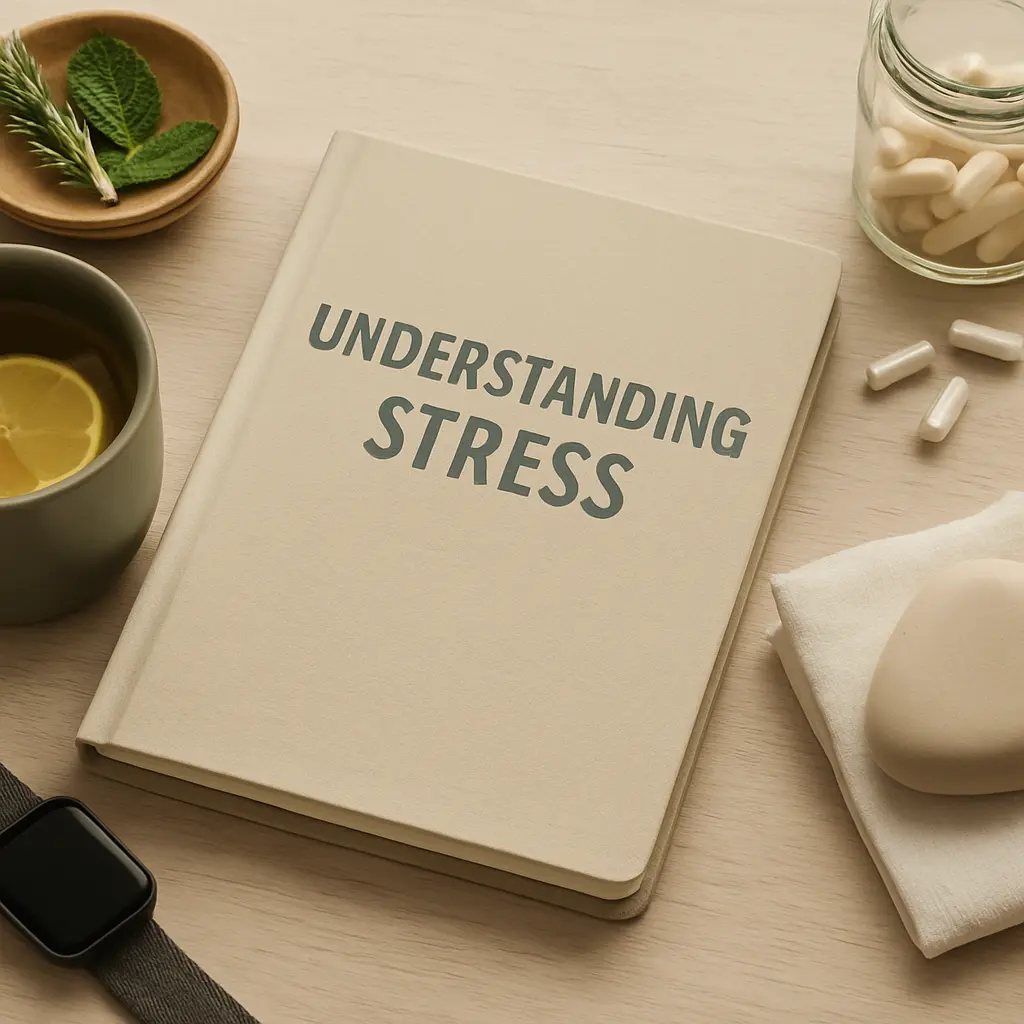
Understanding Stress: Impacts and Natural Remedies
In this page
Stress is an inevitable part of modern life, affecting both mental and physical health. Chronic stress can lead to a range of health issues, indicating the importance of understanding its effects and exploring ways to manage it effectively. This article delves into the multifaceted impact of stress on various aspects of life, while also considering the potential benefits of natural remedies, such as valerian root, in alleviating stress-related symptoms.
Scientific Background and General Context
Stress is a biological response to perceived threats or pressures, triggering a cascade of hormones like cortisol and adrenaline. This physiological mechanism is designed to prepare the body for a ‘fight or flight’ response, enhancing alertness and physical readiness. However, when stress becomes chronic, the same mechanisms can lead to adverse health outcomes. The National Institute of Mental Health highlights that chronic stress disrupts nearly every system in the body, from immune suppression to increased risk of heart disease.
Stress can be categorized into acute, episodic, and chronic types. Acute stress is short-term and often tied to specific events, while episodic stress is experienced frequently. Chronic stress is ongoing and often linked to factors such as work, relationships, or living conditions. Understanding these types helps in identifying appropriate management strategies.
Effects of Chronic Stress
Impact on Mental Health
Chronic stress significantly affects mental health, potentially leading to anxiety disorders and depression. Research from the American Psychological Association indicates that prolonged exposure to stress can alter brain structures responsible for cognition and emotion regulation. This can result in impaired memory, concentration difficulties, and lowered self-esteem, affecting daily activities and interpersonal relationships.
Physical Health Implications
The physical health implications of stress are profound. It is well-documented that stress can elevate blood pressure, increase heart rate, and contribute to the development of cardiovascular diseases. The American Heart Association notes that stress-induced lifestyle changes, such as poor diet and lack of exercise, further exacerbate these risks.
Beyond cardiovascular concerns, stress also weakens the immune system, making the body more susceptible to infections and illnesses. Additionally, stress can exacerbate gastrointestinal issues like irritable bowel syndrome (IBS) and ulcers, as it influences gut-brain interactions.
Social and Behavioral Effects
Stress influences social behavior and communication. Individuals under stress may withdraw from social interactions, leading to isolation and loneliness. Social withdrawal often exacerbates stress, creating a vicious cycle. Moreover, stress can increase irritability and impatience, leading to conflicts in personal and professional relationships.
In some cases, people may resort to unhealthy coping mechanisms, such as consuming alcohol or drugs, which can lead to substance abuse and addiction. Recognizing these patterns is crucial for seeking appropriate interventions and support.
Valerian Root: A Natural Remedy for Stress Relief
Valerian root (Valeriana officinalis) has been utilized as a natural remedy for stress and anxiety for centuries. Known for its calming effects, valerian root is a popular choice for those seeking non-pharmaceutical solutions to stress management. Its use dates back to ancient Greece and Rome, where it was valued for its sedative properties.
How Valerian Root Works
The active components of valerian root include valerenic acid, valepotriates, and various flavonoids, which contribute to its relaxation and anti-spasmodic effects. Valerian root is thought to enhance the function of gamma-aminobutyric acid (GABA) in the brain—a neurotransmitter that reduces neuronal excitability and promotes calmness. This mechanism is similar to some anti-anxiety medications, though valerian root is considered a more gentle approach with fewer side effects.
Daily Use and Lifestyle Applications
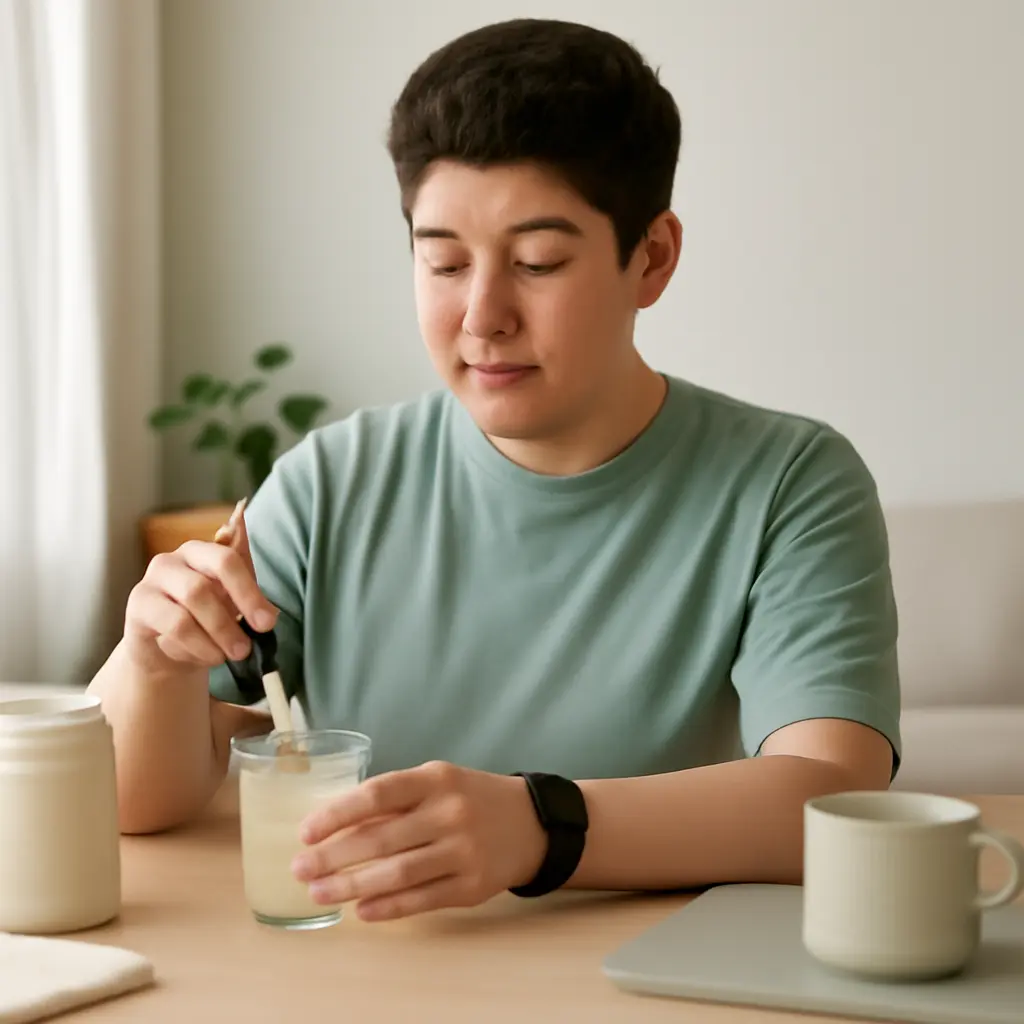
Valerian root is available in various forms, including teas, capsules, and tinctures, allowing flexibility in consumption based on individual preferences. When taken before bedtime, it can aid in improving sleep quality, helping those who struggle with insomnia related to stress.
During the day, lower doses can be used to manage anxiety and reduce tension without causing drowsiness. However, it is essential to follow dosage recommendations and consult healthcare professionals, especially when considering valerian root in conjunction with other medications or if planning long-term use.
Not Just for Relaxation
Beyond its relaxing properties, valerian root is also used to manage tension headaches and muscle spasms. Its anti-spasmodic effects make it a versatile herbal remedy, potentially providing relief from various stress-induced physical symptoms.
Typical Dosages
The typical dosage for valerian root varies depending on the form and purpose of use. For sleep issues, 400 mg of valerian root extract taken an hour before bedtime is common. For daytime stress relief, smaller doses spread throughout the day may be effective. It is crucial to adhere to product-specific guidelines and consult with a healthcare provider to tailor usage to individual needs.
Balanced Perspective and Safety
While valerian root is generally considered safe for short-term use, it is not without potential interactions or contraindications. Pregnant or nursing women and individuals with liver conditions should avoid valerian root unless advised otherwise by a healthcare professional. Additionally, combining valerian with alcohol or other sedatives can enhance their effects, which may not be safe.
Moreover, while valerian root can assist in managing stress, it should not replace professional medical advice or psychological interventions for severe anxiety or depression. A holistic approach that includes lifestyle modifications, mental health support, and stress management techniques is ideal for addressing chronic stress.
In conclusion, understanding stress and its impacts allows for better management strategies, including the use of natural remedies like valerian root. By adopting a balanced and informed approach, individuals can mitigate the adverse effects of stress and improve overall well-being.


