
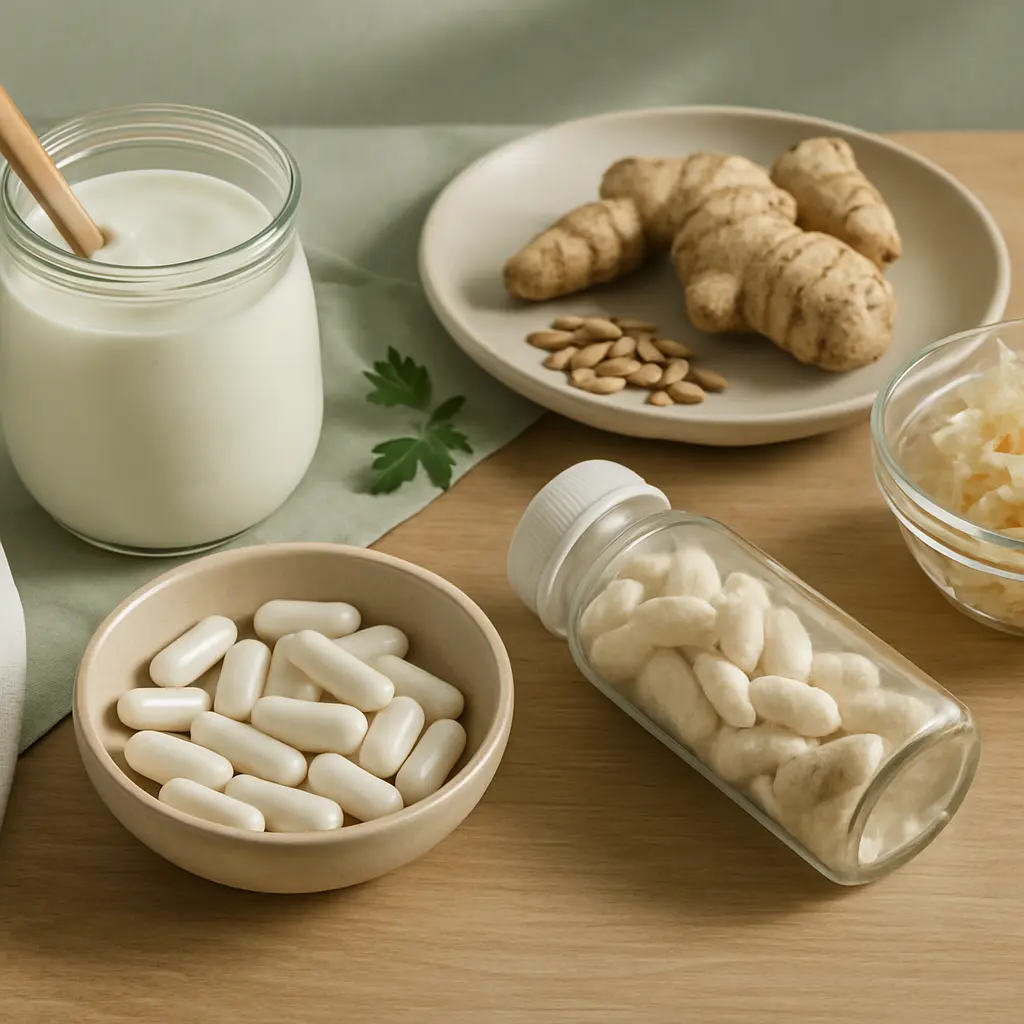
Understanding Probiotics and Prebiotics: Essential Allies for Gut Health
In this page
Probiotics and prebiotics are two crucial components of a healthy diet that work together to promote gut health and overall well-being. Probiotics consist of live microorganisms that offer health benefits when consumed in appropriate amounts, while prebiotics are non-digestible food ingredients that encourage the growth and activity of beneficial bacteria in the gut. This article explores the distinct roles of probiotics and prebiotics, their sources, benefits, and how combining them can further enhance health outcomes.

Scientific Background and General Context
The human digestive system is a complex ecosystem teeming with an immense number of microorganisms, collectively known as the gut microbiota. This microbiota plays a vital role in maintaining health by aiding digestion, synthesizing nutrients, and protecting against pathogens. Probiotics and prebiotics contribute significantly to the maintenance and enhancement of this microbiota.
Probiotics and Their Function
Probiotics are live microorganisms, predominantly bacteria, that can be found naturally in the gut. They are also available through dietary sources and supplements. These beneficial bacteria perform several functions, such as strengthening the gut barrier, modulating the immune system, and enhancing the absorption of nutrients. Notable examples of probiotic bacteria include Lactobacillus and Bifidobacterium species, which are common in fermented foods like yogurt, kefir, and sauerkraut.
Prebiotics and Their Role
Prebiotics, on the other hand, are non-digestible carbohydrates that serve as food for probiotics and other beneficial microorganisms. They pass through the small intestine undigested and are fermented in the large intestine. This fermentation process results in the production of short-chain fatty acids (SCFAs), such as butyrate, acetate, and propionate, which have several positive effects on gut health. Common dietary sources of prebiotics include onions, garlic, bananas, and whole grains.

Daily Use and Lifestyle Applications
Incorporating probiotics and prebiotics into one’s daily routine can be a straightforward way to support digestive health and overall wellness.
Dietary Sources of Probiotics
Probiotics are primarily found in fermented food products. Regular consumption of probiotic-rich foods can help maintain a healthy balance of gut bacteria. Here are some examples:
- Yogurt: A widely consumed probiotic food, yogurt contains live cultures that can help with lactose digestion and improve gut health.
- Kefir: This fermented milk drink is rich in diverse probiotic strains and is easy to incorporate into a daily diet.
- Fermented Vegetables: Sauerkraut and kimchi are excellent sources of probiotics and are known for their role in supporting digestive health.
- Miso and Tempeh: These fermented soy products are staples in Asian diets and offer both probiotics and essential nutrients.
Sources of Prebiotics
To support and nourish probiotics, the inclusion of prebiotics in the diet is essential. Some common prebiotic foods include:
- Onions and Garlic: These vegetables are rich in inulin and fructooligosaccharides, which serve as prebiotics.
- Whole Grains: Barley, oats, and wheat are good sources of prebiotic fibers, such as beta-glucans.
- Bananas: Particularly when underripe, bananas contain resistant starch that acts as a prebiotic.
- Chicory Root: Often used as a coffee substitute, chicory root is high in inulin.
Combining Probiotics and Prebiotics: Synbiotics
When probiotics and prebiotics are consumed together, they form a synbiotic relationship that can enhance the effectiveness of both. Synbiotics provide both the beneficial bacteria and the fuel they need to thrive, potentially leading to improved digestive health and immune function. This combination is particularly beneficial in clinical settings, as studies have shown synbiotics may reduce the risk of post-surgical infections and complications.
Balanced Perspective and Safety
While probiotics and prebiotics offer numerous health benefits, it’s important to approach their consumption with a balanced perspective.
Health Benefits and Considerations
The benefits of probiotics and prebiotics are well-documented, including improved digestion, enhanced immune response, and reduced risk of certain gastrointestinal disorders. However, individuals with compromised immune systems or severe illnesses should consult healthcare professionals before starting any new dietary regimen.
Potential Side Effects
For most people, probiotics and prebiotics are safe and well-tolerated. However, some individuals may experience mild digestive symptoms such as gas, bloating, or diarrhea, especially when first increasing their intake. Gradually introducing these foods can help minimize discomfort.
Conclusion
Probiotics and prebiotics play complementary roles in promoting gut health and overall well-being. By understanding their functions, sources, and potential benefits, individuals can make informed choices to enhance their dietary practices. Whether through food or supplements, incorporating these elements into a balanced diet can support a healthy, thriving microbiota, paving the way for improved health outcomes.


