
Understanding Melatonin: The Sleep-Regulating Hormone
In this page
Melatonin is a hormone integral to the regulation of sleep-wake cycles, produced primarily by the pineal gland in the brain. While it is most famous for its role in sleep, melatonin has a variety of functions and is produced in lesser amounts by other tissues. Disruptions in melatonin production can have significant health implications, ranging from sleep disorders to broader psychosocial impacts. This article delves into the science behind melatonin, its production, and its effects on health, providing a comprehensive understanding of this crucial hormone.

Scientific Background and General Context
Melatonin is a naturally occurring hormone primarily synthesized in the pineal gland. Its production is closely linked to the circadian rhythm—the body’s internal clock that regulates sleep and wakefulness. The synthesis of melatonin begins with the amino acid tryptophan, which is first converted into serotonin, a neurotransmitter associated with mood and well-being, before being transformed into melatonin. This process highlights the interconnectedness of melatonin with other crucial biochemical pathways in the body.Melatonin production is triggered by darkness and inhibited by light. During the night, or when exposed to darkness, the pineal gland increases melatonin output, signaling to the body that it is time to prepare for sleep. Conversely, exposure to light, especially blue light, reduces melatonin levels, promoting wakefulness.

Properties and Functions of Melatonin
Biochemical Properties
Melatonin is uniquely soluble in both lipids and water, allowing it to easily cross cellular membranes throughout the body, including those in the brain. This solubility enables melatonin to exert its effects in various tissues, making it a versatile player in bodily functions beyond sleep regulation.
Scope of Action
Melatonin’s primary role is in the regulation of the sleep-wake cycle. It acts on melatonin receptors located in the brain to help modulate sleep patterns. However, melatonin’s influence extends to other critical functions, such as the regulation of gastrointestinal motility and modulation of immune responses. As a potent antioxidant, melatonin also plays a role in protecting cells from oxidative stress, which is significant in aging and the prevention of age-related diseases.
Melatonin Secretion and Its Impact
Regulation by Light-Dark Cycle
The synthesis and release of melatonin are tightly controlled by the light-dark cycle, which is crucial for maintaining the body’s circadian rhythm. This rhythm not only affects sleep but also other physiological processes, such as cortisol and insulin production. Cortisol is vital for stress response and alertness, while insulin plays a key role in carbohydrate metabolism.
Daily Routine and Stable Sleep Patterns
For individuals with a regular daily routine, such as those working from 9 to 5, exposure to natural light during the day and darkness at night supports stable melatonin production. This stability leads to better sleep quality, improved alertness, and enhanced overall mental and physical health. A consistent schedule aligns with the body’s natural rhythm, promoting restorative sleep.
Challenges of Irregular Schedules
Shift workers or those who frequently travel across time zones may experience disruptions in melatonin production. This disruption can result in a range of negative health outcomes, including chronic fatigue, difficulty concentrating, reduced immunity, and an increased risk of cardiovascular and metabolic diseases such as obesity and type 2 diabetes. Exposure to artificial light at night can further exacerbate these issues, especially the blue light emitted by electronic devices, which inhibits melatonin production and complicates sleep.
Psychosocial Implications of Melatonin Deficiency
A malfunctioning melatonin system is not only linked to metabolic disturbances but also to mood disorders such as depression and anxiety. Persistent sleep problems can lead to difficulties in social and family interactions due to fatigue and the need for sleep at unusual hours. This isolation can contribute to feelings of loneliness and alienation, further impacting mental health.
Daily Use and Lifestyle Applications
Melatonin Supplementation and Dosage
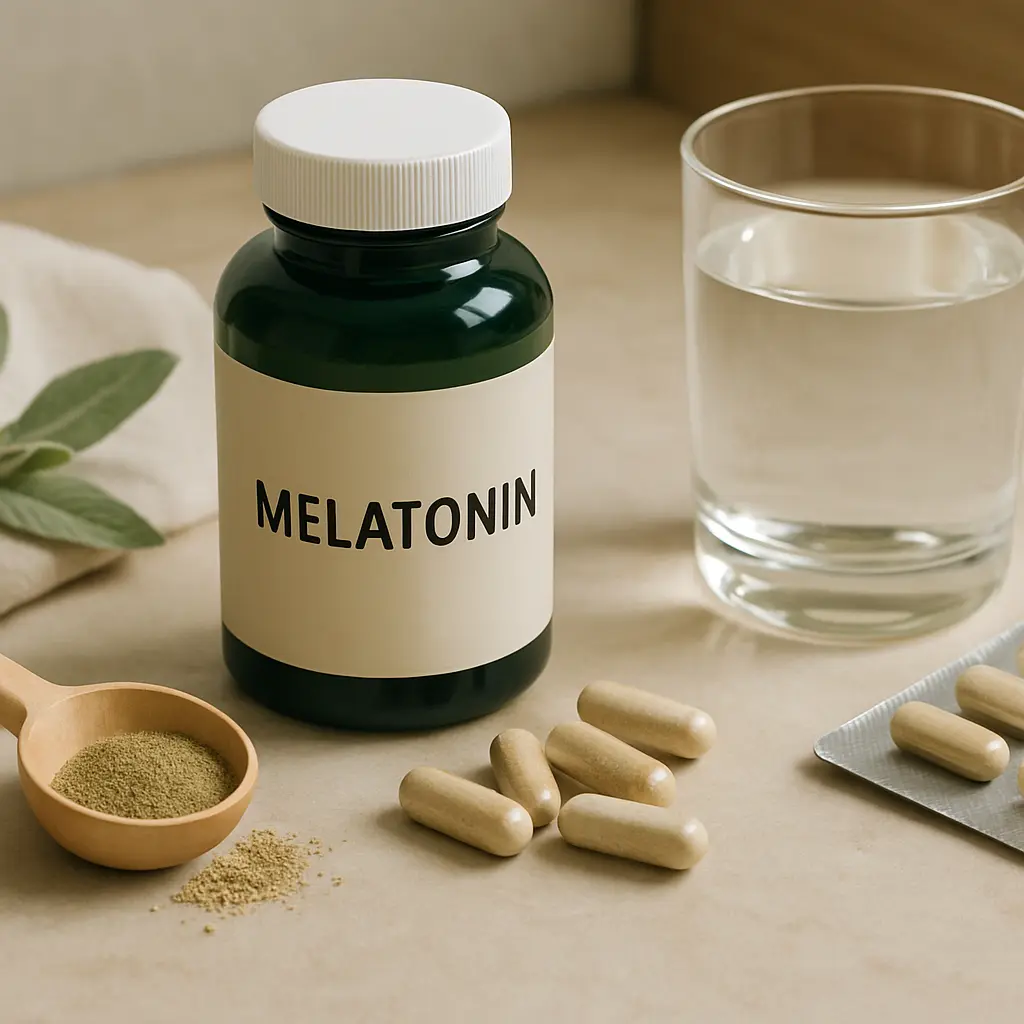
Melatonin supplements are often used to address sleep disturbances. Dosages vary widely, typically ranging from 0.1 mg to 5 mg taken 30 minutes to an hour before bedtime. The appropriate dosage depends on age, the severity of sleep disorders, and other individual factors. It is crucial to tailor supplementation to specific needs and to consult healthcare providers for personalized guidance.
Melatonin and Shift Work
For shift workers or individuals experiencing jet lag, melatonin can be a useful tool for adjusting sleep patterns. Strategic use of melatonin supplements can help realign the body’s internal clock to the current environment, easing the transition between different schedules and reducing the adverse effects of disrupted circadian rhythms.
Balanced Perspective and Safety
While melatonin supplements are generally considered safe, it is essential to use them judiciously. Over-reliance on supplements without addressing underlying lifestyle factors may not provide sustainable solutions. Furthermore, melatonin should be used with caution in individuals with specific health conditions or those taking medications that may interact with melatonin.
Substances Supporting Sleep
Natural Aids
Various plant extracts are known for their calming effects and can complement melatonin’s action. Valerian root, for instance, may help reduce the time to fall asleep and improve sleep quality by affecting the GABA neurotransmitter system. Similarly, hops have sedative properties beneficial for sleep enhancement.
Adaptogenic Support
Ashwagandha, an adaptogen used in Ayurvedic medicine, is noted for its stress-reducing capabilities. Although it does not act as rapidly as some other sleep aids, regular use can help manage stress and improve overall sleep quality.
Role of Amino Acids
Certain amino acids, such as GABA, play pivotal roles in promoting relaxation and sleep. Taurine, another amino acid, supports GABA’s action and is involved in regulating blood pressure. Tryptophan, a precursor to both serotonin and melatonin, is essential for maintaining healthy sleep architecture.
Importance of Magnesium
Magnesium is a mineral with significant roles in numerous enzymatic processes, including those that influence sleep. Its ability to promote muscle relaxation makes it a valuable component of a holistic approach to improving sleep, particularly in cases of deficiency.In conclusion, melatonin is a multifaceted hormone with profound impacts on health, extending far beyond sleep regulation. Understanding its production and effects, along with considering complementary lifestyle practices and supplements, can help optimize sleep and overall well-being.


