
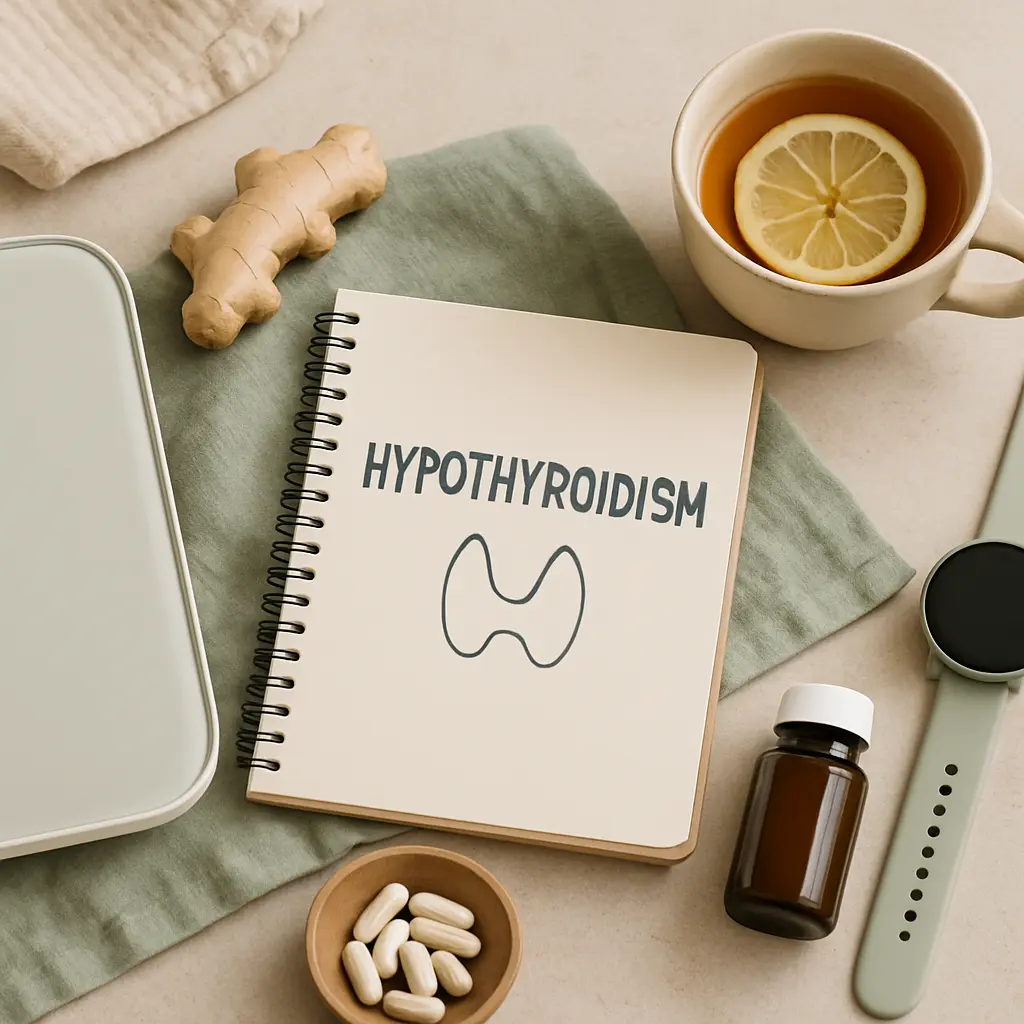
Understanding Hypothyroidism: Managing Weight and Wellness
In this page
Hypothyroidism, a condition marked by an underactive thyroid gland, affects countless individuals worldwide. This vital gland produces hormones crucial for regulating metabolism, growth, and development. When hormone levels drop, it can result in fatigue, weight gain, and other health challenges. This article delves into the role of the thyroid, its link to weight management, and strategies for living well with hypothyroidism, including dietary adjustments, lifestyle changes, and the role of supplements.

Scientific Background and General Context
The thyroid gland, located at the base of the neck, plays a pivotal role in the endocrine system. It produces three primary hormones: thyroxine (T4), triiodothyronine (T3), and calcitonin. T4 and T3 are critical in managing metabolic rate, with T3 being the more biologically active form. These hormones affect nearly every cell in the body, influencing heat production, cell differentiation, and nervous system functions.
Research into thyroid physiology commenced in earnest during the late 19th and early 20th centuries with the pioneering work of scientists like William M. Ord and Sir William Osler. They laid the groundwork for understanding how thyroid imbalances affect overall health. Hypothyroidism, characterized by low levels of T3 and T4, leads to slowed metabolic processes, whereas hyperthyroidism, or excess hormone production, speeds up metabolism, often resulting in unintended weight loss and nutritional deficiencies.

The Role of the Thyroid and Its Hormones
Thyroid hormones are essential to various bodily functions. T3 and T4 regulate metabolic rate and energy production. They are integral to cardiovascular health, influencing heart rate and blood flow. Moreover, they play a role in regulating protein synthesis and bone growth.
Calcitonin, another thyroid hormone, is less involved in metabolism but crucial for calcium and phosphate balance in the blood. It works to lower blood calcium levels, thereby complementing the actions of parathyroid hormone.
Hypothyroidism and Weight Management
One of the significant challenges of hypothyroidism is weight gain, which occurs despite controlled diet and exercise. This condition decreases metabolic rate due to reduced T3 and T4 levels, leading to fatigue, muscle weakness, and decreased motivation.
In contrast, hyperthyroidism leads to increased metabolic activity, often resulting in weight loss and muscle wastage. This imbalance highlights the thyroid’s critical role in weight regulation and energy utilization.
Link Between Thyroid Function and BMI
The thyroid’s influence on body mass index (BMI) is profound. Thyroid-stimulating hormone (TSH) levels often reflect thyroid health, with elevated TSH indicating hypothyroidism. This relationship underscores the interdependence of thyroid function and body weight management.
Weight Loss Strategies with Hypothyroidism
Managing weight with hypothyroidism requires a multifaceted approach combining medical treatment with lifestyle modifications. While pharmaceutical interventions like levothyroxine are standard, lifestyle changes play a key role.
Risks of Extreme Dieting
Drastic calorie restriction can trigger a protective metabolic slowdown, worsening hypothyroidism symptoms. This adaptive process can impair thyroid hormone production and exacerbate weight management challenges. A gradual reduction in caloric intake, focusing on nutrient-dense foods, is more effective.
General Dietary Recommendations
A balanced diet rich in protein, complex carbohydrates, fiber, antioxidants, and healthy fats is crucial. Emphasizing whole foods over processed ones can improve metabolic health. Proper macro and micronutrient intake supports thyroid function and overall well-being.
The Role of Physical Activity and Recovery
Regular physical activity, including both cardiovascular and strength training exercises, is vital for maintaining a healthy weight with hypothyroidism. Monitoring nutritional intake and personal well-being is crucial, as individuals may experience slower recovery. Emphasizing sleep hygiene and stress management can enhance recovery and hormonal balance.
Supplementation in Hypothyroidism
Supplementation, alongside medication, can aid in managing hypothyroidism, but it must be approached cautiously. Consultation with a healthcare professional is essential to avoid interactions and side effects.
Iodine is vital for thyroid hormone synthesis, but supplementation should be carefully monitored to prevent exacerbating thyroid dysfunction. Selenium is another critical element, aiding in converting T4 to the active T3 form.
Vitamin D plays a role in immune regulation and is often deficient in thyroid disorders. Omega-3 fatty acids, known for their anti-inflammatory properties, can support cardiovascular health and overall wellness. Ashwagandha, an adaptogen, may offer thyroid support and enhance mood, although medical guidance is necessary.
Balanced Perspective and Safety
While managing hypothyroidism involves medical treatment and lifestyle changes, it’s crucial to approach this condition with a balanced perspective. Understanding the interplay between diet, exercise, and supplementation can guide effective management strategies. It’s essential to remain informed and work closely with healthcare providers to ensure treatment plans are safe and effective.
Maintaining open communication with healthcare professionals, staying informed about new research, and monitoring personal health metrics are vital components of living well with hypothyroidism. Through a comprehensive approach, individuals can achieve better health outcomes and an improved quality of life.


