
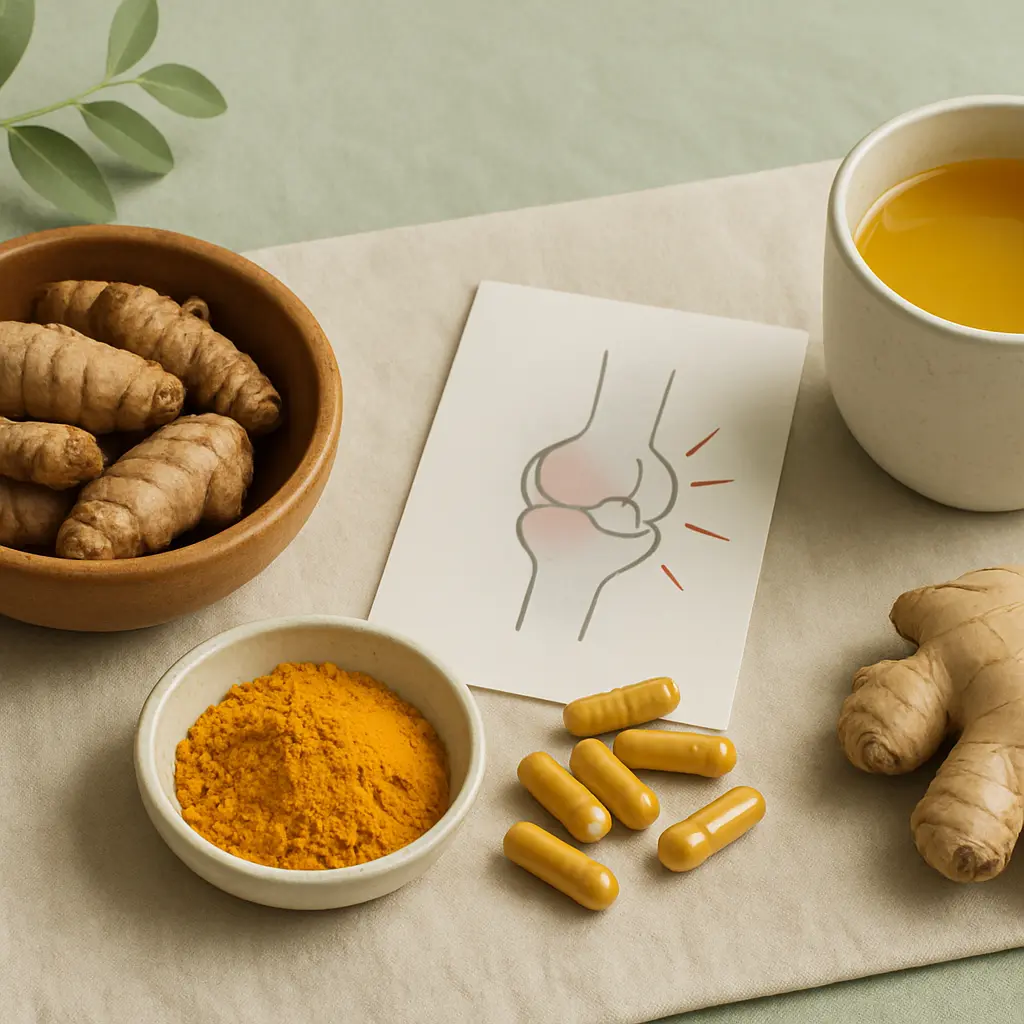
Turmeric and Inflammation: Understanding the Connection
In this page
Inflammation is a natural defense mechanism of the body, designed to protect against harmful stimuli such as infections and injuries. However, when inflammation becomes chronic, it can lead to a host of health issues. Improper dietary habits and other lifestyle factors often contribute to this chronic inflammation. Turmeric, a widely-studied dietary supplement, has shown promise in managing inflammatory conditions due to its active compound, curcumin. This article delves into the causes and types of inflammation, the characteristics of turmeric, and its potential role in combating inflammation.

Scientific Background and General Context
Inflammation is a biological response triggered by the immune system to fight against harmful agents like pathogens, damaged cells, or irritants. While acute inflammation is essential for healing, chronic inflammation can lead to various diseases and complications.
Types and Causes of Inflammation
Acute inflammation is short-lived, often leading to healing and recovery. In contrast, chronic inflammation persists over time, potentially causing tissue damage and contributing to diseases such as type 2 diabetes, cardiovascular diseases, and certain cancers.
Role of Curcumin in Inflammation
Curcumin, the principal bioactive compound in turmeric, has anti-inflammatory properties. It modulates the activity of molecules involved in inflammation, potentially reducing the risk of chronic inflammatory diseases.

Causes of Inflammation
Pathogens
Pathogens such as bacteria, viruses, and fungi can trigger inflammatory responses in the body. For instance, Helicobacter pylori can cause inflammation in the stomach lining, while viruses like the coronavirus may lead to respiratory inflammation. Fungal overgrowth, such as Candida albicans, can also contribute to inflammation, particularly in the digestive tract.
Mechanical Damage, Chemicals, and Lifestyle Factors
Inflammation can also result from physical injuries, exposure to harmful chemicals, or lifestyle choices. Mechanical injuries, such as a fall or burn, can initiate an inflammatory response. Additionally, exposure to substances like alcohol, cigarette smoke, and environmental pollutants can exacerbate inflammation. Poor dietary habits, including high intake of processed foods, trans fats, and excessive sugar, coupled with lack of physical activity, chronic stress, and inadequate sleep, significantly contribute to inflammatory processes.
Oxidative Stress
Oxidative stress, resulting from an imbalance between free radicals and antioxidants in the body, is a significant contributor to inflammation. It is linked to aging and various diseases, including autoimmune and cancerous conditions. The immune system’s dysregulation in these diseases often leads to prolonged inflammation.
Forms of Inflammation
Acute vs. Chronic Inflammation
Acute inflammation is characterized by its rapid onset and short duration, often resolving with full recovery. In contrast, chronic inflammation persists, gradually causing tissue damage and contributing to various health conditions. Chronic inflammation involves excessive immune activity, which can impair biological processes and damage tissues, leading to organ dysfunction.
Chronic Inflammation as a Disease Basis
Chronic inflammation is a common underlying factor in many modern diseases, including type 2 diabetes, atherosclerosis, hypertension, chronic kidney disease, and neurodegenerative disorders. It not only hampers the body’s regenerative capabilities but also accelerates aging, weakens immunity, and affects mental health, increasing the risk of depression and anxiety disorders. Over time, chronic inflammation can reduce life expectancy.
Understanding Turmeric
Characteristics of Turmeric
Turmeric is a bright orange-yellow root with a brown outer skin, commonly used as a spice and natural dye. Beyond its culinary applications in dishes like curry, soups, and marinades, turmeric is valued for its bioactive compounds, primarily curcuminoids, which include curcumin, and terpenoids such as turmerone.
Curcumin’s Potential
Curcumin is renowned for its anti-inflammatory and antioxidant properties. Studies have shown that curcumin can reduce markers of inflammation, including C-reactive protein (CRP), tumor necrosis factor-alpha (TNF-α), and interleukin-6 (IL-6). Its effectiveness in alleviating symptoms of inflammatory diseases such as rheumatoid arthritis, gout, and osteoarthritis has been noted, with fewer side effects compared to non-steroidal anti-inflammatory drugs (NSAIDs).
Turmeric and Inflammation
Turmeric, particularly due to its curcumin content, shows potential in managing inflammation. Research suggests that curcumin can lower inflammatory markers, offering a natural means to manage chronic inflammation-related conditions.
Efficacy and Safety
Curcumin’s efficacy in reducing pain and improving joint function in inflammatory diseases like rheumatoid arthritis and osteoarthritis is comparable to NSAIDs but with a lower risk of adverse effects. In metabolic syndrome, turmeric has been linked to reduced inflammation, decreased waist circumference, improved fasting glucose levels, and better lipid profiles. It also shows moderate effectiveness in muscle pain relief and recovery after exercise.
The Role of Piperine
Curcumin’s bioavailability is a challenge, as it is not easily absorbed by the body. Combining turmeric with black pepper, which contains piperine, significantly enhances curcumin absorption. Currently, doses ranging from 120 mg to 1500 mg per day are considered safe and well-tolerated over periods of 4 to 36 weeks. However, more research is needed to determine optimal dosages and delivery methods.
Daily Use and Lifestyle Applications
Incorporating turmeric into your diet can be done through various means, such as adding it to meals, beverages, or as a supplement. Its anti-inflammatory properties can support a healthy lifestyle, particularly for those at risk of or dealing with chronic inflammatory conditions.
Practical Ways to Include Turmeric
Turmeric can be used in cooking, added to teas or smoothies, or taken as a supplement. When using turmeric powder, combining it with black pepper and a healthy fat source, like olive oil or coconut oil, can improve absorption and maximize its benefits.
Turmeric’s Role in a Balanced Diet
Alongside other anti-inflammatory foods such as leafy greens, berries, nuts, and fatty fish, turmeric can play a crucial role in a balanced diet aimed at reducing chronic inflammation and promoting overall wellness.
Balanced Perspective and Safety
While turmeric and curcumin offer promising benefits, it is essential to approach their use with a balanced perspective. They should complement, not replace, conventional medical treatments for inflammatory conditions.
Potential Side Effects and Interactions
Although generally safe, turmeric and curcumin can interact with certain medications, such as blood thinners and diabetes medications. It is advisable to consult healthcare professionals before starting any new supplement, especially for individuals with existing medical conditions or those taking prescription medications.
Future Research and Considerations
Ongoing research continues to explore the full potential of turmeric in managing inflammation and related health issues. Future studies will likely provide more insights into optimal usage, dosage, and potential long-term effects.
In conclusion, turmeric, particularly its active compound curcumin, presents a natural, safe option for managing inflammation. By understanding its properties and how to incorporate it into daily life, individuals can potentially enhance their health and well-being.


