
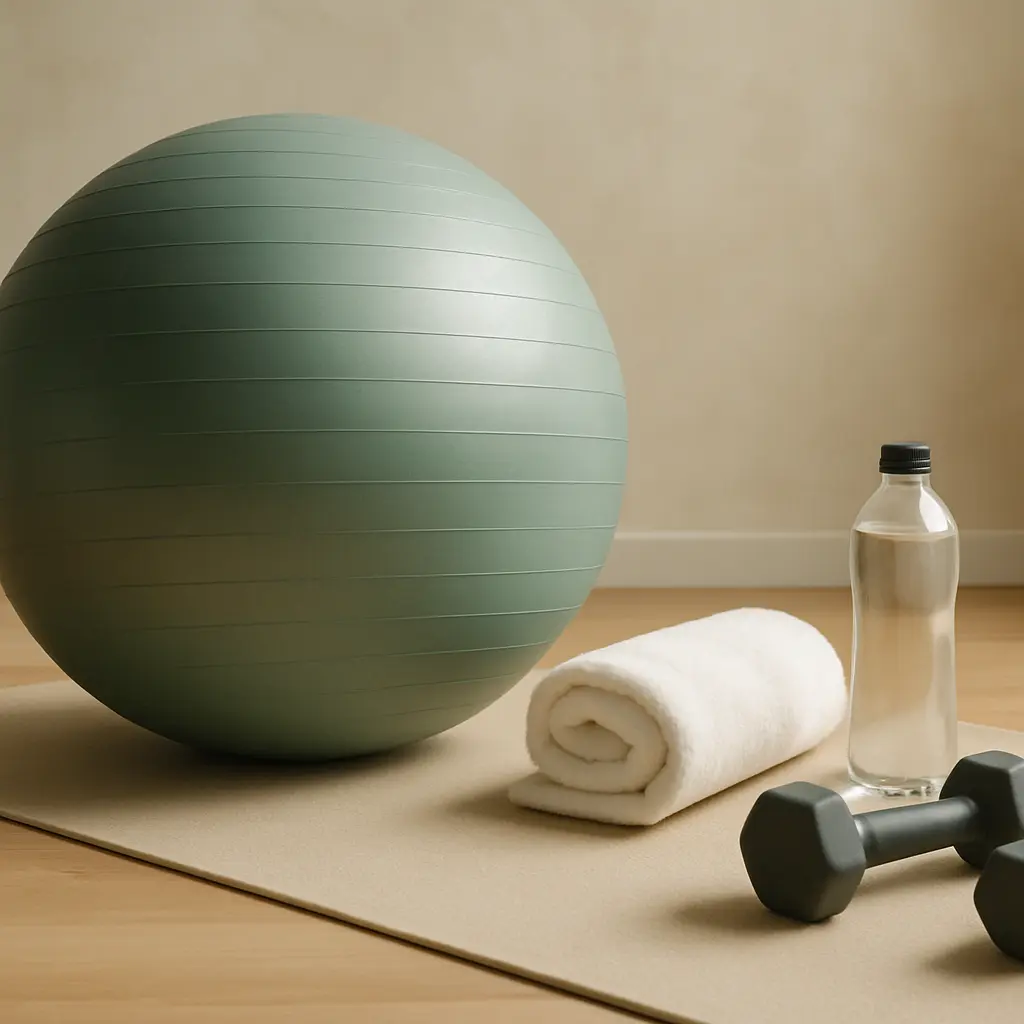
The Versatility of Exercise Balls: A Comprehensive Guide
In this page
Exercise balls are a versatile tool used in various fitness regimes, rehabilitation, and core strengthening workouts. Their unique spherical shape engages multiple body parts and promotes a wide range of physical benefits. This article explores the multifaceted advantages of exercise balls, the criteria for selecting the right one, and practical tips for incorporating them into your fitness routine. From enhancing balance and coordination to alleviating back pain, exercise balls offer an accessible and effective way to improve overall physical health.

Scientific Background and General Context
Exercise balls, often referred to as stability or gym balls, are inflatable spheres used for fitness and physical therapy. These balls originated in Switzerland in the 1960s, primarily for neuro-developmental therapy, and have since gained popularity worldwide in various exercise disciplines. Their core principle revolves around instability, which forces users to engage stabilizing muscles to maintain balance.The instability of an exercise ball activates deep core muscles, including the transverse abdominis and multifidus, which are crucial for spinal stability and posture. This engagement is beneficial not only for athletes but also for individuals seeking to improve their postural alignment and prevent injuries. Scientific studies have shown that exercise ball workouts can effectively enhance core muscle activation compared to exercises performed on a stable surface.
Benefits of Training with an Exercise Ball
Enhanced Muscle Engagement and Coordination
The primary advantage of using an exercise ball lies in its ability to stimulate postural muscles. When exercising on an unstable surface, the body is compelled to adjust continuously to maintain balance. This dynamic involvement activates additional muscle groups, leading to improved motor coordination and proprioception—the body’s ability to sense its position in space. Improved proprioception translates to reduced injury risk and enhanced functional movement in daily activities.
Alleviation of Back Pain
Regular exercise on an exercise ball strengthens the muscles surrounding the spine, specifically targeting the deep core muscles. This supports proper posture and can alleviate lower back pain, a common issue for those with sedentary lifestyles. By teaching spinal stabilization throughout various movements, exercise balls are particularly beneficial for office workers and individuals experiencing habitual back discomfort. Some people even opt to replace their office chairs with exercise balls to encourage active sitting and reduce back strain.
Improvement in Flexibility and Balance
Incorporating an exercise ball into your routine can significantly enhance flexibility and balance. Stretching and balance exercises performed on the ball allow for a greater range of motion, promoting joint flexibility and muscle suppleness. As balance is a critical component of overall fitness, exercises that challenge balance can improve stability and reduce the likelihood of falls, particularly in older adults.
Choosing the Right Exercise Ball
Size Considerations
Selecting the appropriate size exercise ball is crucial for effective and safe workouts. The size of the ball is typically determined by the user’s height:
- For individuals up to 5’5″, a ball with a diameter of 22 inches is recommended.
- For those between 5’5″ and 5’9″, a 26-inch ball is suitable.
- Taller individuals over 5’9″ should consider a 30-inch ball.
- Extra-large balls of 34 inches are available for very tall users.
When seated on the ball, your feet should be flat on the floor, and your knees should form an angle close to 90 degrees. This ensures optimal posture and stability during exercises.
Material and Safety Features
Quality exercise balls often come with an Anti-Burst system, designed to deflate slowly rather than burst if punctured, minimizing the risk of injury. The material should be durable, resistant to stretching and abrasion, and commonly consists of high-density PVC that combines flexibility with resilience. Additionally, an anti-slip surface with subtle grooves enhances grip, preventing slippage during workouts.
Maximum Weight Capacity
It’s essential to verify the maximum weight capacity of an exercise ball, particularly for users with higher body weight or for use in professional settings like fitness clubs. Opting for products with a higher durability rating ensures the ball can withstand rigorous workouts without compromising safety.
Types of Exercise Balls
Exercise balls come in various forms, each offering unique benefits:
Classic Exercise Ball
The classic exercise ball is the most prevalent type, suitable for strength, stabilization, and stretching exercises. It’s also widely used in Pilates and rehabilitation programs due to its versatility.
Exercise Ball with Handles
Equipped with one or two handles, this ball provides added security for beginners or individuals with balance issues. The handles aid in maintaining stability and safety during more dynamic movements, making it a popular choice for older adults in rehabilitation.
Sensory Nodule Ball
Some exercise balls feature small sensory nodules designed to stimulate the skin’s surface. These balls can be used for massage, improving blood circulation, and activating reflex points. They are frequently used in pediatric rehabilitation to engage children through tactile stimulation.
Daily Use and Lifestyle Applications
Exercise balls can be seamlessly integrated into daily life beyond traditional workout settings:
Office Use
Replacing a chair with an exercise ball promotes active sitting, encouraging micro-movements that engage core muscles throughout the day. This can improve posture and reduce back discomfort associated with prolonged sitting.
Home Fitness
Exercise balls are an excellent addition to home gyms due to their versatility and space efficiency. They can be used for a wide range of exercises, including yoga, pilates, and strength training, making them a valuable tool for maintaining fitness at home.
Balanced Perspective and Safety
While exercise balls offer numerous benefits, it’s essential to use them safely and effectively:
Proper Maintenance
Regular cleaning with a soft cloth and mild detergent removes sweat, dust, and other contaminants, maintaining hygiene and material integrity. Store the ball away from sharp objects and direct sunlight to prevent overheating or material degradation.
Pressure Checks
Regularly inspect the ball’s pressure and inflate it as needed to maintain the recommended firmness. Frequent deflation may indicate material wear, necessitating replacement to prevent accidents during exercise.
Conclusion
Incorporating an exercise ball into your fitness routine can enhance physical well-being by improving core strength, flexibility, and balance. Selecting the right size and type of ball ensures effective and safe workouts. With proper care and usage, exercise balls provide a versatile and dynamic addition to any fitness or rehabilitation program, offering benefits that extend beyond the gym.


