
The Essential Role of Zinc in Human Health: Understanding Its Impact and Optimal Use
In this page
Zinc is a vital trace element that plays a significant role in maintaining various physiological functions within the human body. While it is present in a wide array of foods, its absorption and utilization can be influenced by several dietary factors. Ensuring an adequate intake of zinc, whether through diet or supplementation, is crucial for supporting immune function, wound healing, and many other bodily processes. This article explores the importance of zinc, its deficiency consequences, dietary sources, supplementation practices, and potential interactions with other nutrients and medications.

Scientific Background and General Context
Zinc is a trace mineral that is ubiquitous in the earth’s crust, water, and biological organisms. It serves as a cofactor for over 300 enzymes, facilitating a myriad of biochemical reactions. These reactions are essential for processes like DNA synthesis, cell division, and protein synthesis. Zinc is also integral to maintaining the structural integrity of proteins and cell membranes, helping to stabilize their configuration against oxidative damage.Beyond its structural roles, zinc is critical for immune system functionality. It influences the development and function of immune cells such as neutrophils and natural killer cells. Moreover, zinc impacts the signaling pathways of cytokines, which are pivotal in mediating immune responses.Zinc’s importance extends to the endocrine system, where it is involved in hormone production and regulation. It plays a part in synthesizing insulin and testosterone, impacting metabolic and reproductive health. Additionally, zinc contributes to neurological health by modulating neurotransmitter activity and contributing to cognitive processes like learning and memory.
Effects of Zinc Deficiency
Common Clinical Symptoms
A deficiency in zinc can manifest in various clinical symptoms due to its widespread role in bodily functions. One of the foremost consequences is impaired immune function, leading to increased susceptibility to infections. Individuals with zinc deficiency may experience prolonged wound healing and a heightened tendency for inflammation due to disruptions in cellular repair mechanisms.Dermatological symptoms are also prevalent, with zinc deficiency linked to skin conditions such as acne, eczema, and psoriasis. These can present as dry, scaly skin, and increased susceptibility to skin infections.
Serious Health Implications
On a neurological level, insufficient zinc can impair cognitive function, affecting concentration, learning, and memory retention. There is also an associated risk of developing depressive symptoms, as zinc is involved in neurotransmitter modulation.In growing children and adolescents, zinc deficiency can be particularly detrimental, potentially stunting growth and delaying sexual maturation. For adults, it can impact reproductive health, reducing sperm quality and testosterone levels in men.Zinc also plays a role in taste perception and appetite regulation. A lack of zinc can lead to altered taste and smell, often resulting in decreased appetite and unintended weight loss.
Dietary Sources of Zinc
A balanced diet typically provides adequate zinc, with certain foods being particularly rich sources. Seafood, notably oysters, contains the highest concentration of zinc, with levels ranging from 30 to 90 mg per 3.5 ounces. Red meats and poultry also provide significant amounts, with beef liver offering 4 to 6 mg per 3.5 ounces. Plant-based sources include pumpkin seeds and sesame seeds, which have 7 to 10 mg and 5 to 8 mg per 3.5 ounces, respectively. However, the bioavailability of zinc from plant sources can be affected by the presence of phytates, which bind zinc and inhibit its absorption.
Zinc Supplementation Practices
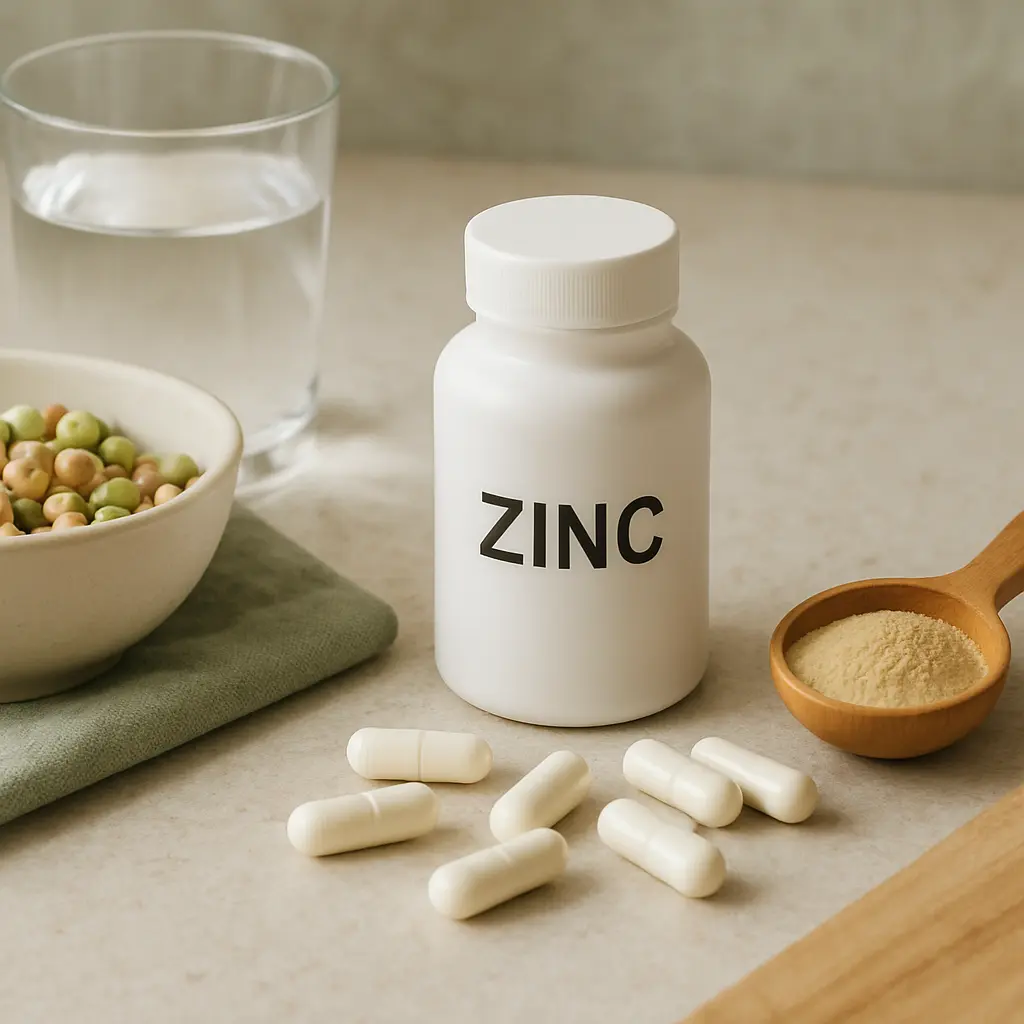
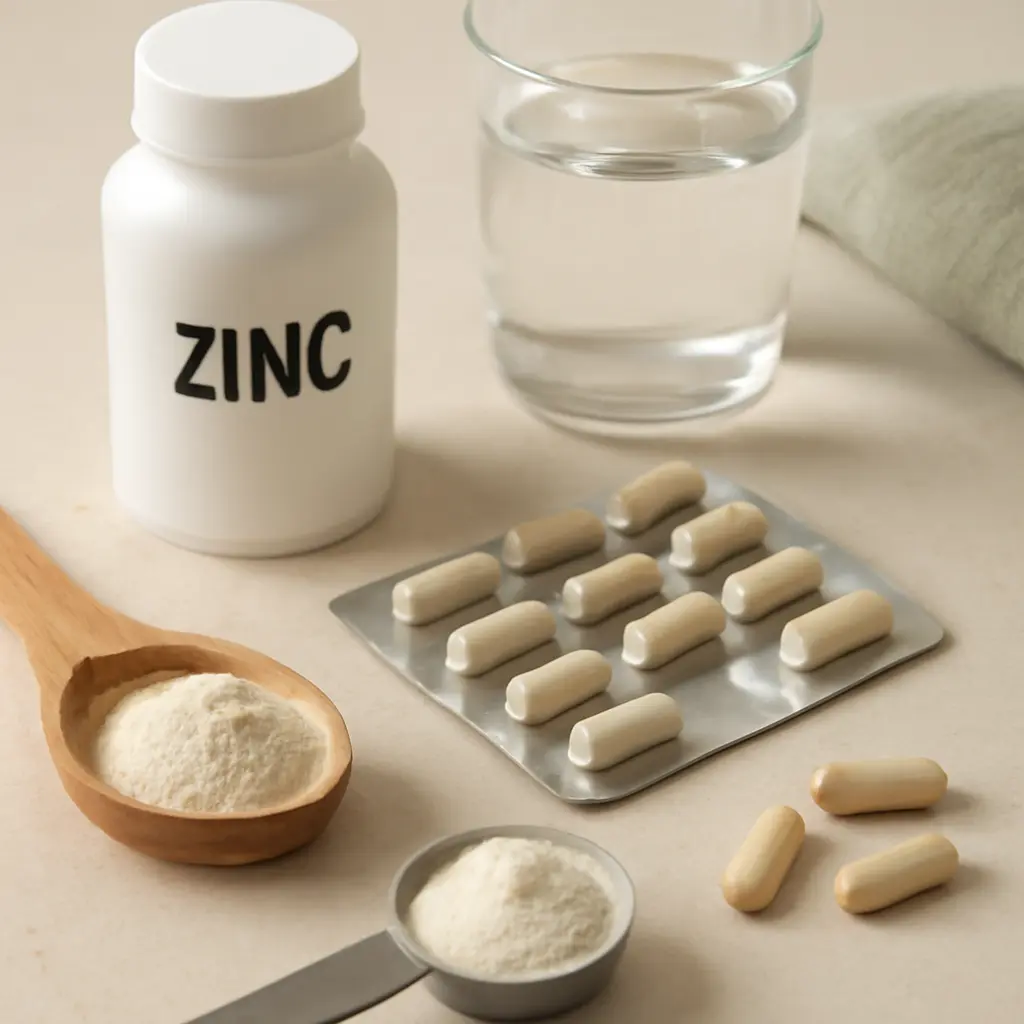
The recommended daily allowance (RDA) for zinc varies by age and gender, with adult women requiring 8 mg per day and men 11 mg per day. These values may increase in circumstances of heightened physiological demand, such as during illness, pregnancy, or intense physical activity.Zinc supplements are available in various forms, including zinc citrate, gluconate, and picolinate, which are known for their higher bioavailability. To maximize absorption, it is advisable to take zinc supplements on an empty stomach or at least two hours apart from meals or supplements containing high levels of phytates, calcium, iron, or copper.
Optimal Supplementation Strategies
When considering zinc supplementation, it is crucial to avoid excessive intake, as this can lead to adverse effects. The upper intake level for zinc is set at 40 mg per day for adults. Overconsumption can result in nausea, diarrhea, and interference with the absorption of other essential minerals, such as copper.Consulting a healthcare professional before starting supplementation is often recommended to tailor the dosage according to individual health needs and conditions.
Balanced Perspective and Safety
Interactions with Other Nutrients
Zinc absorption can be compromised by interactions with other dietary components. Phytates, commonly found in whole grains and legumes, can form insoluble complexes with zinc, reducing its bioavailability. Similarly, high calcium intake can compete with zinc for absorption, potentially lowering its uptake. Therefore, people who consume a diet rich in dairy or calcium supplements should consider the timing of zinc intake.Moreover, large doses of iron can inhibit zinc absorption due to competitive binding at the enterocyte level. For this reason, simultaneous supplementation of these minerals is generally discouraged.
Drug Interactions
Zinc can interact with certain medications, altering their effectiveness. It may reduce the absorption of specific antibiotics, such as tetracyclines and fluoroquinolones, by forming insoluble complexes. Additionally, zinc may interfere with the absorption of proton pump inhibitors used in treating gastroesophageal reflux disease.To minimize these interactions, it is advisable to space out the administration of zinc supplements and these medications by at least a few hours.In conclusion, zinc is an indispensable mineral for human health, involved in a wide range of biological functions. Adequate intake through diet or supplementation plays a vital role in maintaining immune health, supporting growth and development, and ensuring overall well-being. Awareness of zinc’s interactions with other nutrients and medications is essential to optimizing its benefits and avoiding potential adverse effects.


