
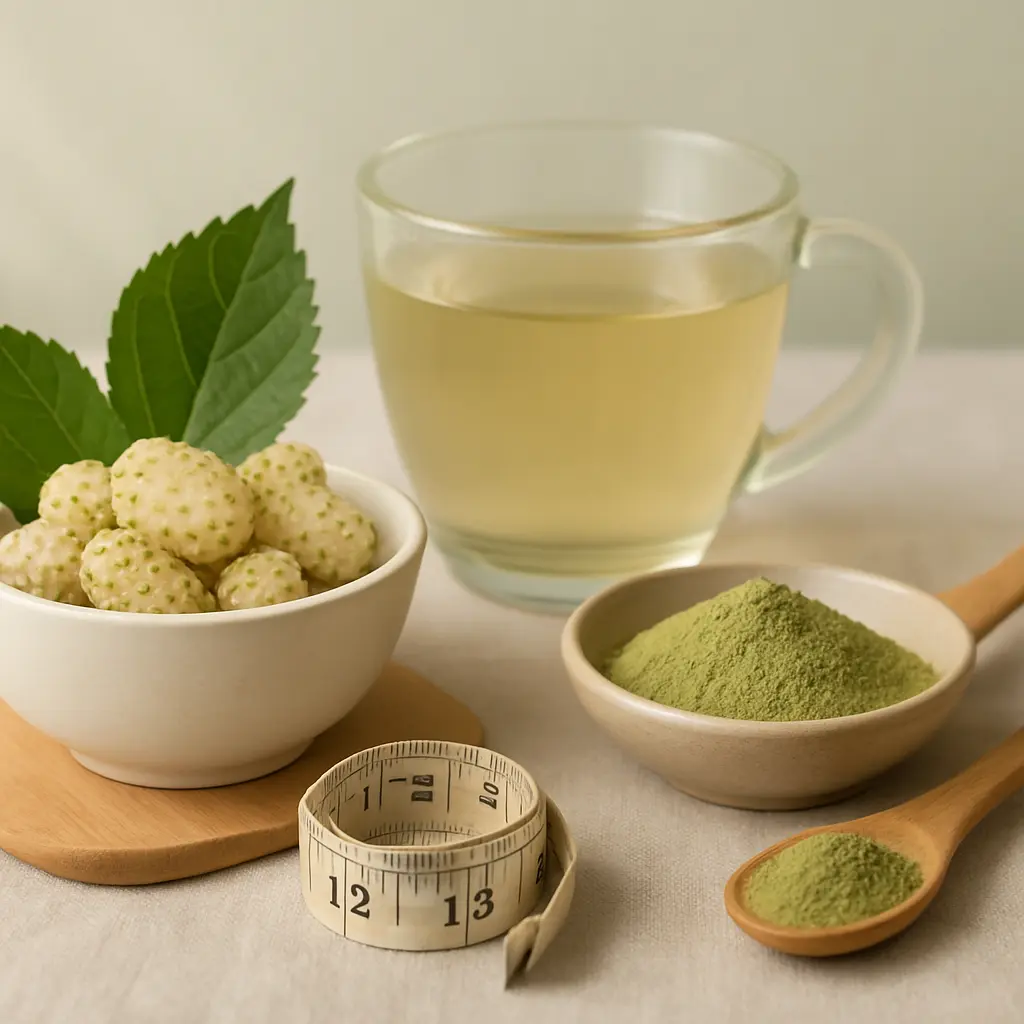
The Role of White Mulberry in Weight Management and Metabolic Health
In this page
This article explores the potential benefits of white mulberry in weight management and metabolic health. With a focus on scientific insights, we discuss the biological processes that white mulberry may influence and its applications in a balanced diet and exercise regimen. We also examine how it can affect metabolic disorders and consider its safety and effectiveness based on current research.

Scientific Background and General Context
Weight management is fundamentally about achieving a calorie deficit, where the body burns more calories than it consumes. This deficit prompts the body to utilize stored fat as an energy source, leading to weight loss. A successful weight loss strategy typically involves a balanced diet rich in proteins, fats, and carbohydrates, alongside regular physical activity. However, certain supplements might contribute to this process by supporting metabolic health, among which white mulberry (Morus alba) has gained some attention.Originating from Asia, particularly China, white mulberry is a deciduous tree known for its bioactive compounds. These include flavonoids, alkaloids, phenolic acids, and vitamins. The tree has been cultivated worldwide, including in Europe and North America. Its berries and leaves are used in traditional medicine, and recent studies suggest they may aid weight management by affecting carbohydrate metabolism and insulin sensitivity.

Preparation for Weight Loss
Effective weight management requires careful preparation, especially for individuals with metabolic challenges. Before embarking on a weight loss journey, addressing any underlying metabolic disorders is crucial, as they can hinder progress and affect overall health during a calorie deficit. A common issue is dysregulated glucose-insulin balance, where insulin resistance can lead to fluctuating blood sugar levels, impacting energy and appetite control.Hormones like leptin and ghrelin, which regulate hunger and satiety, are also pivotal. Disturbances in these hormones can make it difficult to maintain a low-calorie diet, leading to energy dips and cravings. For those with such metabolic issues, a gradual approach to dieting, combined with dietary supplements like white mulberry, might offer support by stabilizing blood sugar levels and enhancing metabolic function.
White Mulberry’s Role in Weight Loss
White mulberry’s potential in weight management is linked to its ability to modulate fat cell differentiation and lipid metabolism. Preliminary studies suggest that compounds found in white mulberry may inhibit the differentiation of preadipocytes into mature adipocytes, the cells responsible for storing fat. By preventing this conversion, white mulberry could limit the body’s capacity to store fat, thus supporting weight loss efforts.Additionally, white mulberry may enhance lipid metabolism, the process by which fats are broken down in the body for energy. This effect can be particularly beneficial during weight loss, as it complements the energy demands of a calorie deficit. However, it is important to note that these findings are primarily from preclinical studies, and further research in human subjects is needed to confirm these mechanisms.
Impact on Metabolic Disorders
Beyond weight management, white mulberry may also play a role in addressing metabolic disorders, which are often interlinked with obesity. A comprehensive analysis of clinical trials has shown that white mulberry consumption may positively affect several metabolic health markers. These include reductions in hemoglobin A1c (HbA1c), a long-term indicator of blood glucose levels, and improvements in lipid profiles, such as lower total cholesterol, LDL cholesterol, and triglycerides.Stabilizing blood sugar levels is crucial for weight management, as it can prevent energy crashes and irritability, common obstacles to sticking with a diet. Furthermore, reducing inflammation, as indicated by lower C-reactive protein (CRP) levels, may also alleviate metabolic dysregulation. Chronic inflammation can negatively impact hormones and neurotransmitters, affecting mood, cognitive function, sleep, and appetite, creating additional barriers to effective weight loss.
Daily Use and Lifestyle Applications
Integrating white mulberry into one’s lifestyle can be done through various forms, such as teas, extracts, or supplements. For those considering its use, it is essential to incorporate it as part of a balanced diet and exercise routine rather than relying on it as a sole solution for weight loss. The bioactive compounds in white mulberry can enhance the overall impact of a holistic weight management strategy.Combining white mulberry with other dietary and lifestyle changes, such as increased physical activity and mindful eating practices, can further amplify its benefits. Physical activity boosts metabolism and aids in fat loss, while mindful eating helps control portion sizes and prevents overeating. Together, these strategies can create a supportive environment for sustainable weight loss and improved metabolic health.
Balanced Perspective and Safety
While the potential benefits of white mulberry are promising, it is vital to adopt a balanced perspective when considering its use. Supplements should not replace a varied and nutritious diet or physical activity. Instead, they can serve as supplementary aids to enhance the effects of a comprehensive weight management plan.Regarding safety, white mulberry is generally considered safe for most individuals when consumed in appropriate amounts. However, as with any supplement, it is advisable to consult a healthcare professional before starting use, particularly for individuals with underlying health conditions or those taking other medications. Potential side effects, although rare, may include digestive discomfort or allergic reactions.In conclusion, white mulberry presents an intriguing option for supporting weight management and metabolic health. While more research is needed to fully understand its mechanisms and long-term effects, incorporating it as part of a balanced approach to diet and lifestyle may offer additional benefits for those seeking to manage their weight and improve metabolic function.


