
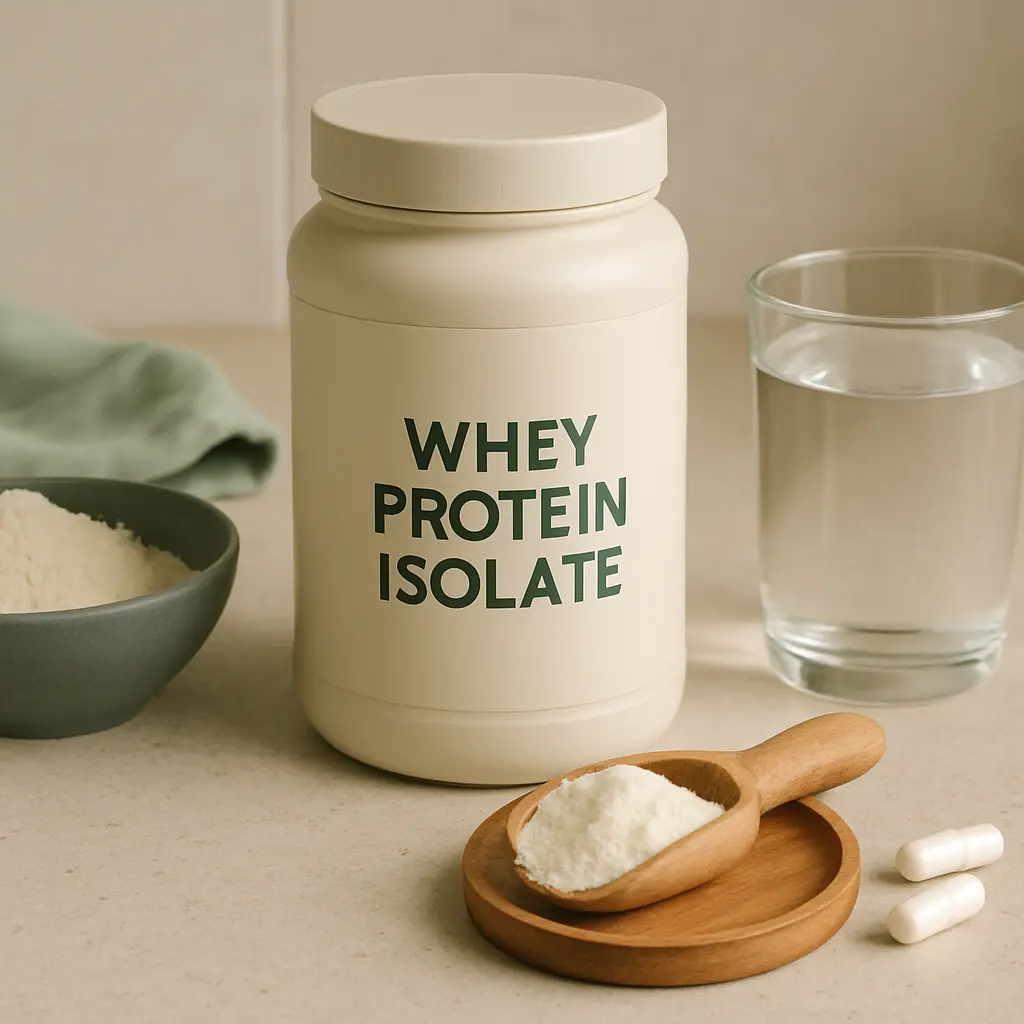
The Role of Whey Protein Isolate in Fitness and Nutrition
In this page
Whey Protein Isolate (WPI) is a highly refined protein supplement known for its high protein content and low levels of fats and carbohydrates. This article delves into the characteristics, benefits, and applications of WPI in enhancing muscle mass, aiding weight loss, and supporting overall health. We also explore its scientific background, usage recommendations, and potential side effects to provide a comprehensive understanding of this popular supplement.

Scientific Background and General Context
Protein is a critical macronutrient, essential for muscle repair, growth, and overall bodily function. Among various sources of protein, whey protein is renowned for its high biological value and amino acid profile, which are crucial for those engaged in regular physical activity. Whey Protein Isolate (WPI) is derived from whey, a byproduct of cheese production. Through advanced filtration processes, WPI is refined to contain over 80% protein by weight, with minimal fats and carbohydrates. This makes it an ideal choice for athletes and fitness enthusiasts seeking to increase protein intake without extra calories from fats or sugars.WPI distinguishes itself from other forms of whey protein, such as Whey Protein Concentrate (WPC) and Whey Protein Hydrolysate (WPH), by offering a purer form of protein. WPH, for instance, goes through additional processing, resulting in higher protein content and faster absorption, but WPI remains a popular balance between purity and cost-effectiveness.
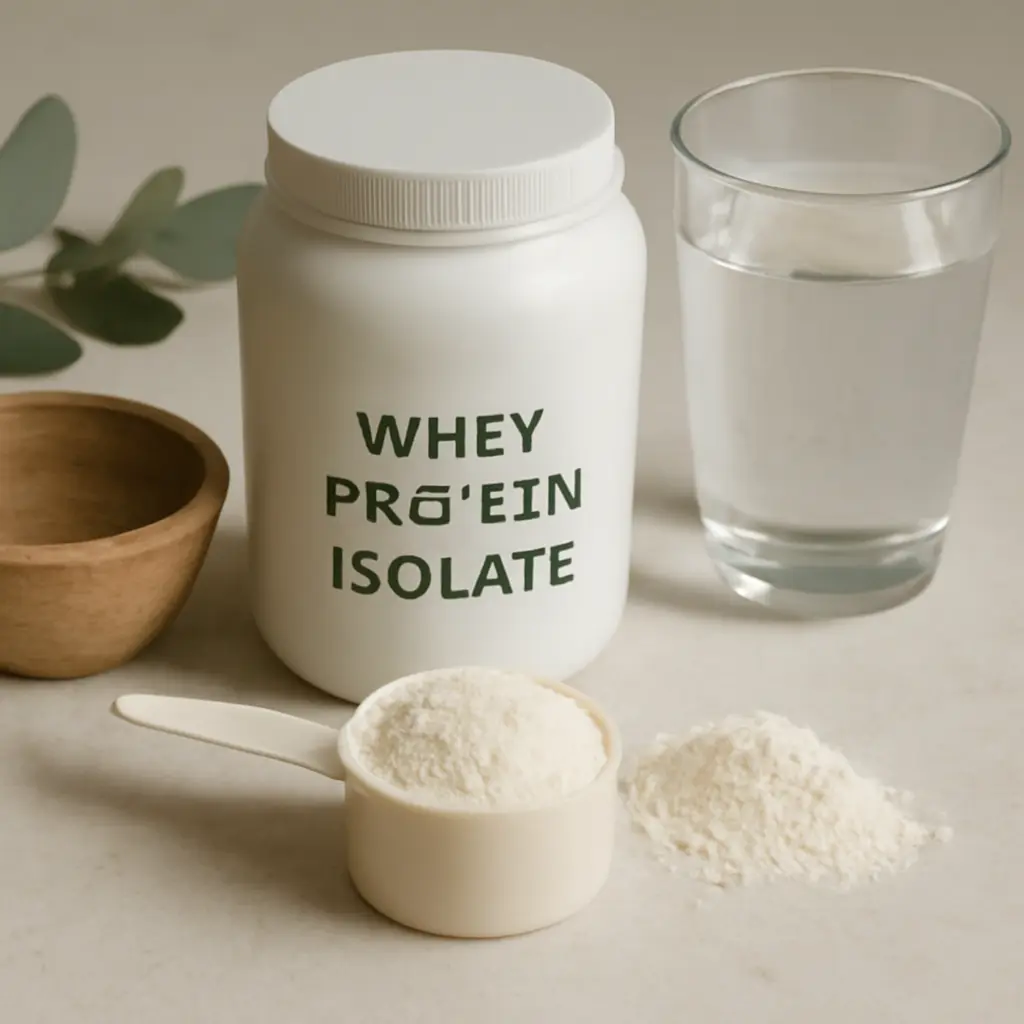
How Whey Protein Isolate Works
Whey Protein Isolate works by supplying a rich source of essential amino acids that the body absorbs rapidly. These amino acids are vital for muscle protein synthesis, a process that repairs and builds muscle tissues following exercise. The high protein content in WPI ensures that the body has a sufficient supply of these building blocks, facilitating faster recovery and muscle growth.Furthermore, WPI supports metabolic functions by maintaining a positive nitrogen balance, crucial for muscle repair and growth. Its low levels of lactose and absence of significant carbohydrates mean it is less likely to cause gastrointestinal distress, making it suitable for those with lactose intolerance or digestive sensitivities.
Whey Protein Isolate and Weight Management
One of the notable benefits of WPI is its role in weight management. Incorporating WPI into a calorie-controlled diet can enhance fat loss while preserving lean muscle mass. Muscle tissue is metabolically active and requires more energy, thus increasing the overall calorie expenditure. By maintaining muscle mass during weight loss, WPI helps enhance the body’s resting metabolic rate, contributing to more effective fat loss.Additionally, protein is known to have a satiating effect, helping to reduce appetite and prevent overeating. By promoting a feeling of fullness, WPI can support dietary adherence and reduce the temptation to indulge in high-calorie snacks.
Whey Protein Isolate and Muscle Building
WPI is particularly beneficial for individuals aiming to increase muscle mass. It provides an efficient source of amino acids that are crucial for muscle hypertrophy. Key amino acids such as leucine play a pivotal role in activating muscle-building pathways like mTOR, which in turn leads to enhanced protein synthesis and muscle growth.Regular consumption of WPI, combined with resistance training, supports the development of lean muscle tissue. The fast absorption rate of WPI means it is particularly effective post-workout, when the body is most receptive to nutrients for muscle recovery and growth.
Daily Use and Lifestyle Applications
Incorporating WPI into your daily routine can be straightforward and beneficial. It can be consumed as a shake post-workout to aid recovery or used as a meal supplement to boost protein intake when whole foods are not available. For those with busy lifestyles, WPI offers a convenient source of protein that can be easily mixed with water or milk for a quick nutritional boost.WPI can also be creatively incorporated into recipes, such as protein-rich pancakes or smoothies, providing a versatile option for increasing dietary protein intake. Its application is not limited to athletes; anyone looking to augment their protein intake can benefit from WPI, provided it aligns with their dietary goals and nutritional needs.
Balanced Perspective and Safety
While WPI is generally safe for most people, it is crucial to consume it as part of a balanced diet. Over-reliance on protein supplements at the expense of whole foods can lead to nutrient imbalances. It’s important to ensure that one’s diet includes a variety of foods to provide a full spectrum of nutrients.Potential side effects of WPI are relatively rare but may include digestive discomfort, such as bloating or gas, particularly in those with lactose intolerance. Fortunately, WPI typically contains low levels of lactose, making it a suitable option for many. However, individuals with severe lactose intolerance should consult healthcare professionals before starting any new supplement.
Conclusion
Whey Protein Isolate is a valuable supplement for those looking to enhance their protein intake, whether it’s for muscle building, weight loss, or general health. Its high protein content, ease of digestion, and minimal fat and carbohydrate content make it a preferred choice for athletes and fitness enthusiasts. By understanding how to effectively incorporate WPI into one’s diet, individuals can optimize their nutrition to support their fitness goals and overall well-being. As with any supplement, it’s important to consider individual dietary needs and consult with a healthcare professional for personalized advice.


