

The Role of Protein-Rich Diets in Weight Management
In this page
The exploration of protein-rich diets as an effective strategy for weight management has generated significant interest in recent years. This article delves into the physiological mechanisms by which protein aids in weight loss, including its impact on metabolism, appetite modulation, and thermogenesis. Additionally, we will discuss the scientific evidence supporting protein’s efficacy in weight management, examine the recommended daily intake for various individuals, and offer practical advice on incorporating protein into daily meals.

Scientific Background and General Context
Proteins are one of the three macronutrients, alongside carbohydrates and fats, essential for human health. They are composed of amino acids that play vital roles in supporting bodily functions, including building and repairing tissues, producing enzymes and hormones, and supporting immune function. The increased interest in protein’s role in weight management stems from its potential to increase satiety, boost metabolism, and help preserve lean body mass during weight loss.The thermogenic effect of food, represented by the energy required to digest and metabolize nutrients, is notably higher for proteins than for carbohydrates or fats. This means the body expends more energy processing protein, contributing to a higher caloric burn. Furthermore, protein intake stimulates the release of hormones that signal fullness, such as GLP-1 and cholecystokinin, while suppressing ghrelin, the hormone that stimulates hunger.
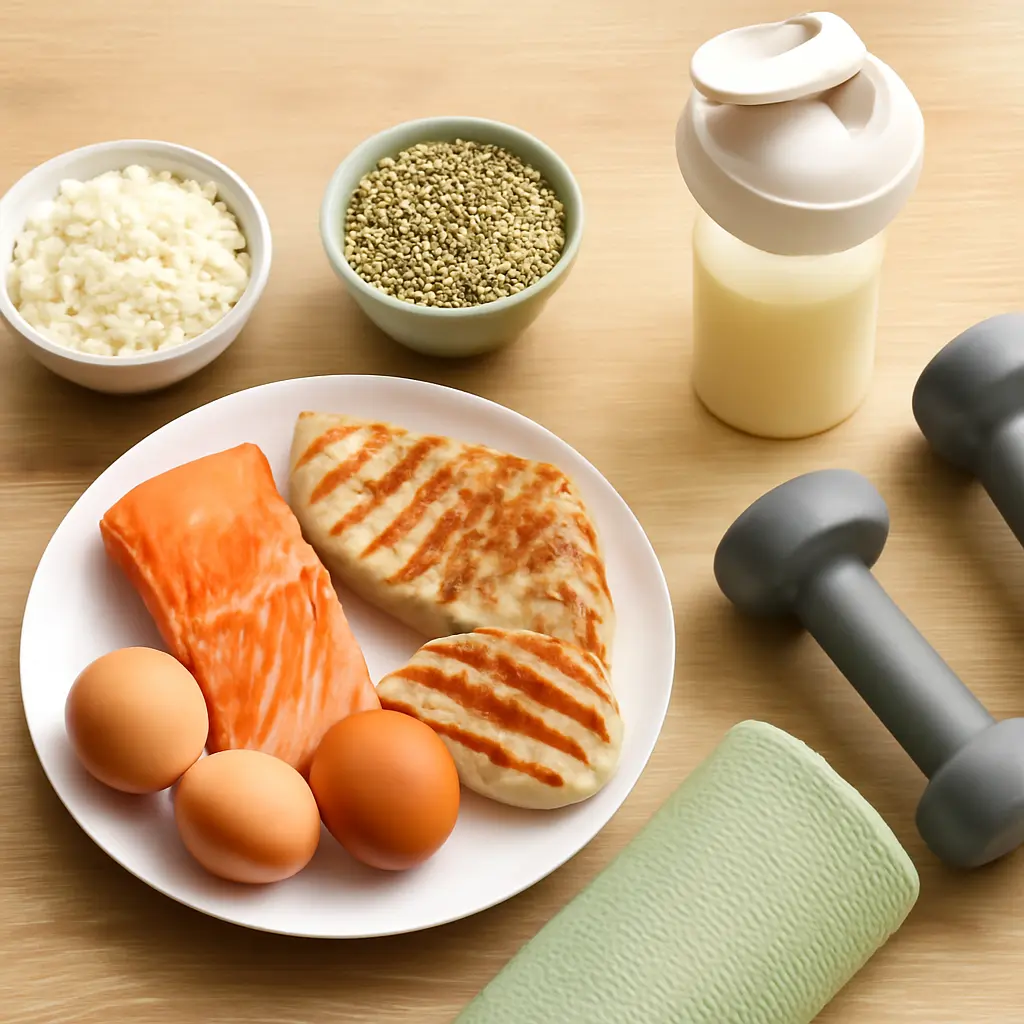
The Mechanisms of Protein in Weight Management
Appetite Modulation
Protein consumption has been shown to affect appetite control significantly. The inclusion of high-protein foods in the diet can enhance the secretion of hormones that promote satiety, effectively reducing overall caloric intake. For example, GLP-1 and cholecystokinin are released upon protein ingestion, inducing a sense of fullness that can curb subsequent food consumption. Concurrently, protein intake lowers ghrelin levels, diminishing hunger signals and aiding in reducing unnecessary snacking.
Thermogenesis and Metabolism
Postprandial thermogenesis, or the increased energy expenditure following food intake, is significantly elevated after consuming protein-rich meals compared to those higher in carbohydrates or fats. This increased thermogenic response contributes to a higher metabolic rate, enhancing overall calorie burn. Studies have illustrated that individuals on high-protein diets exhibit greater energy expenditure, supporting weight loss efforts through increased metabolic activity.
Muscle Preservation and Recovery
While losing weight, maintaining lean body mass is crucial, especially for those engaging in regular physical activity. Protein plays a key role in safeguarding muscle mass, offering the amino acids needed for muscle repair and growth. For athletes or individuals engaged in intense workouts, ensuring adequate protein intake can support muscle recovery and protect against muscle breakdown for energy, ultimately preserving metabolic rate during weight loss.
Scientific Evidence of Protein’s Efficacy
Weight Loss and Body Composition
Numerous studies have supported the effectiveness of high-protein diets in promoting weight loss and favorable body composition changes. Research consistently demonstrates that diets with elevated protein intake lead to more significant fat loss and better preservation of lean body mass compared to lower-protein diets under calorie-restricted conditions. This dual effect of fat reduction and muscle retention is pivotal for achieving a healthy and sustainable weight loss.
Optimal Protein Intake for Health Benefits
For individuals aiming to lose weight and improve metabolic health, daily protein consumption of approximately 0.68 grams per pound of body weight is generally recommended. This level of intake has been associated not only with effective weight management but also with improvements in metabolic health markers like triglycerides, blood pressure, and waist circumference. Active individuals or those focusing on muscle maintenance may benefit from higher protein intake, ranging from 0.9 to 1.4 grams per pound of body weight, depending on their level of physical activity and goals.
Daily Use and Lifestyle Applications
Incorporating Protein-Rich Foods
Ensuring consistent protein intake throughout the day can optimize its benefits for weight management and general health. Here are some practical meal suggestions:- **Breakfast**: Start the day with a protein-rich meal like an omelet with vegetables or oatmeal enriched with a protein supplement. This helps to end the overnight fast and provide a steady release of amino acids, promoting satiety and reducing hunger later in the day.- **Lunch**: A light yet protein-packed lunch can prevent mid-day hunger. Consider Greek yogurt with fruits and nuts, or a salad with lean protein sources such as chicken or tofu. These meals offer essential nutrients and keep hunger at bay.- **Dinner**: For the main meal, focus on a substantial protein source like grilled chicken or fish paired with a variety of vegetables. This combination provides essential nutrients without excessive calories and maintains energy levels throughout the evening.- **Evening Snack**: To support overnight muscle repair and recovery, consider a protein-rich snack like cottage cheese or a protein shake. These options provide a sustained release of amino acids, supporting muscle maintenance during sleep.
Balanced Perspective and Safety
While high-protein diets offer several benefits, balance and moderation are crucial. It’s important not to excessively restrict carbohydrates and fats, as these macronutrients also play vital roles in overall health. Additionally, individuals with specific health conditions, such as kidney disease, should consult healthcare professionals before adopting a high-protein diet to ensure safety and compatibility with their health needs.In conclusion, protein-rich diets can be an effective and sustainable approach to weight management, supported by physiological benefits that enhance metabolism, control appetite, and preserve lean body mass. By understanding the underlying mechanisms and integrating protein strategically into daily meals, individuals can reap the multifaceted benefits of this powerful macronutrient.


