
The Role of Collagen in Skin Health and Aging
In this page
The aging of our skin is a natural process influenced by multiple internal and external factors. Among the critical components that contribute to skin structure are collagen, elastin, and hyaluronic acid. As we age, the production of these components diminishes, leading to visible signs of aging like wrinkles and reduced skin elasticity. This article delves into the scientific and practical aspects of collagen, its role in skin health, and its potential benefits and limitations.

Scientific Background and General Context
Collagen is the most abundant protein in the human body, playing a vital role in the structural integrity of our skin, tendons, and ligaments. In the context of skin health, collagen provides firmness and resilience. It is synthesized by fibroblasts—cells that generate connective tissue components including collagen, elastin, and glycosaminoglycans such as hyaluronic acid.As we age, the ability of fibroblasts to produce collagen decreases. This decline is influenced by genetic factors, hormonal changes, and metabolic processes. Environmental factors such as ultraviolet (UV) radiation, pollution, and smoking further exacerbate the reduction of collagen production. These combined factors lead to the degeneration of skin structure, resulting in wrinkles, sagging, and dryness.

Daily Use and Lifestyle Applications
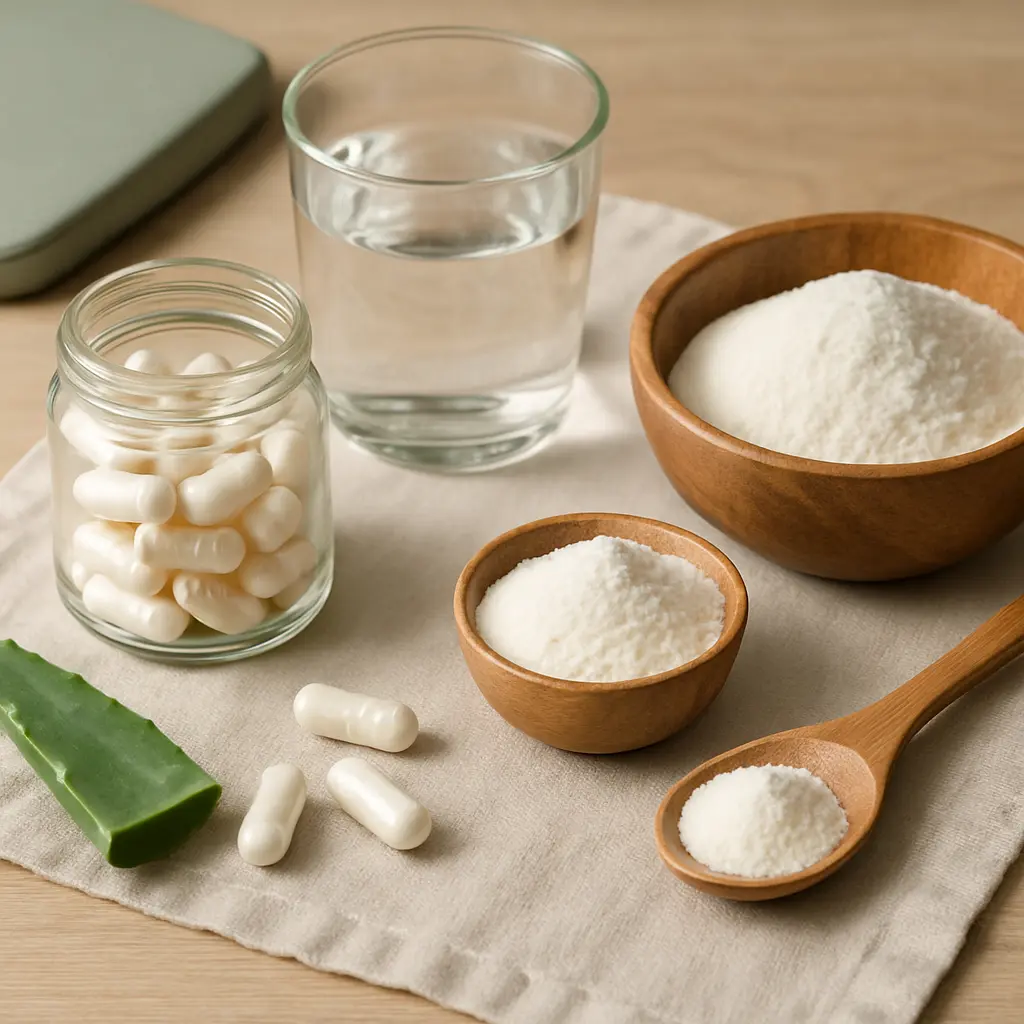
Collagen’s role in maintaining skin health has fostered interest in its supplementation as a potential anti-aging strategy. Traditionally, collagen has been consumed in various forms, ranging from bone broths to more sophisticated supplements like collagen hydrolysate. These supplements are believed to deliver more bioavailable forms of collagen peptides that can be easily absorbed by the body.Studies suggest that hydrolyzed collagen supplements may improve skin elasticity, hydration, and reduce wrinkles. These effects are attributed to the collagen peptides’ ability to stimulate fibroblasts to produce more collagen, elastin, and hyaluronic acid, thus reinforcing the skin’s structural matrix.Incorporating collagen-rich foods and supplements into one’s diet is often advocated for those looking to maintain youthful skin. Foods like chicken skin, fish scales, and gelatin-containing products provide natural sources of collagen. Additionally, lifestyle choices such as protecting the skin from excessive sun exposure, avoiding smoking, and maintaining a balanced diet rich in vitamins and antioxidants can help preserve collagen levels.
Balanced Perspective and Safety
While collagen supplementation appears promising for skin health, it is crucial to approach it with a balanced perspective. The effectiveness of collagen supplements can vary based on factors such as the source of the collagen, the degree of hydrolysis, and individual metabolic differences.Current research supports the idea that collagen supplements are generally safe for most people. However, individuals with allergies to specific sources of collagen (such as fish or shellfish) should exercise caution. As with any supplement, it is advisable to consult with a healthcare provider before beginning a new regimen.Moreover, it is important to differentiate between evidence-backed benefits and speculative claims. While some studies have shown positive outcomes related to anti-aging effects, the evidence for using collagen to treat acne or other specific skin conditions remains limited.
Collagen Production and Age-Related Challenges
With advancing age, the natural equilibrium of collagen turnover is disrupted. The youthful balance of collagen synthesis and degradation shifts, largely due to the reduced activity and number of fibroblasts. This decline is compounded by reduced production of collagenases—enzymes that help remodel collagen by breaking down old fibers and signaling the synthesis of new ones.The reduction in these enzymes means a decrease in collagen turnover, contributing to the skin’s diminished capacity to renew itself. This naturally occurring decline in collagen production suggests why skin becomes less firm and more susceptible to wrinkling with age.
Exploring the Potential of Collagen Supplements
Emerging studies have focused on understanding how orally ingested collagen peptides can influence skin health. Research indicates that once ingested, these peptides are absorbed into the bloodstream and distributed to the skin, where they may help stimulate fibroblasts and promote collagen synthesis.The distinction between traditional gelatin and collagen hydrolysate is significant. While gelatin has been a staple in various culinary traditions for its gelling properties and believed health benefits, hydrolyzed collagen is processed to yield smaller peptides that have been shown to possess higher bioavailability. This difference in molecular size and structure makes hydrolyzed collagen a more potent and efficient supplement option.
Scientific Research and Findings
Numerous studies have highlighted the potential skin-enhancing benefits of collagen supplementation. Meta-analyses have demonstrated its capacity to increase dermal collagen density, promote hydration, and improve overall skin elasticity. These results suggest a promising avenue for collagen supplements as a non-invasive option for enhancing skin appearance.However, while findings are encouraging, they are not definitive. The scientific community continues to investigate the extent of collagen’s benefits, optimal dosages, and long-term effects. Given the complex nature of skin aging, it is important to consider collagen supplements as part of a broader strategy that includes healthy lifestyle choices.
Conclusion
Collagen plays an integral role in maintaining skin health and structural integrity. As part of the aging process, the natural decline in collagen production leads to visible signs of aging. While collagen supplementation offers a potential means to mitigate these effects, it should be approached with informed consideration and balanced expectations. As research progresses, our understanding of collagen’s role in skin health will continue to evolve, providing clearer guidance for those seeking to maintain their skin’s youthful appearance.


