
The Remarkable Health Benefits of Ginger: A Comprehensive Guide
In this page
Ginger, known scientifically as Zingiber officinale Roscoe, is a traditional plant with a rich history of culinary and medicinal use. This article delves into its background, global cultivation, and diverse applications. We’ll explore the scientific understanding of ginger’s active compounds and the health benefits it offers, supported by research. Additionally, we’ll discuss practical ways to incorporate ginger into your daily routine while considering safety and balanced perspectives.

Scientific Background and General Context
Ginger is a flowering plant from the Zingiberaceae family, closely related to other notable spices such as turmeric and cardamom. Indigenous to parts of Asia, the Middle East, and Africa, ginger has been cultivated for thousands of years for its aromatic and therapeutic properties. Its primary component of interest is the rhizome, or underground stem, which contains a potent mixture of bioactive compounds.The spicy and pungent flavors of ginger can be attributed to compounds like gingerols and shogaols, which are responsible for its distinct taste and aroma. These compounds have been the focus of extensive research, revealing various health benefits ranging from anti-inflammatory properties to potential protective effects against certain diseases.
The Appearance and Global Cultivation of Ginger
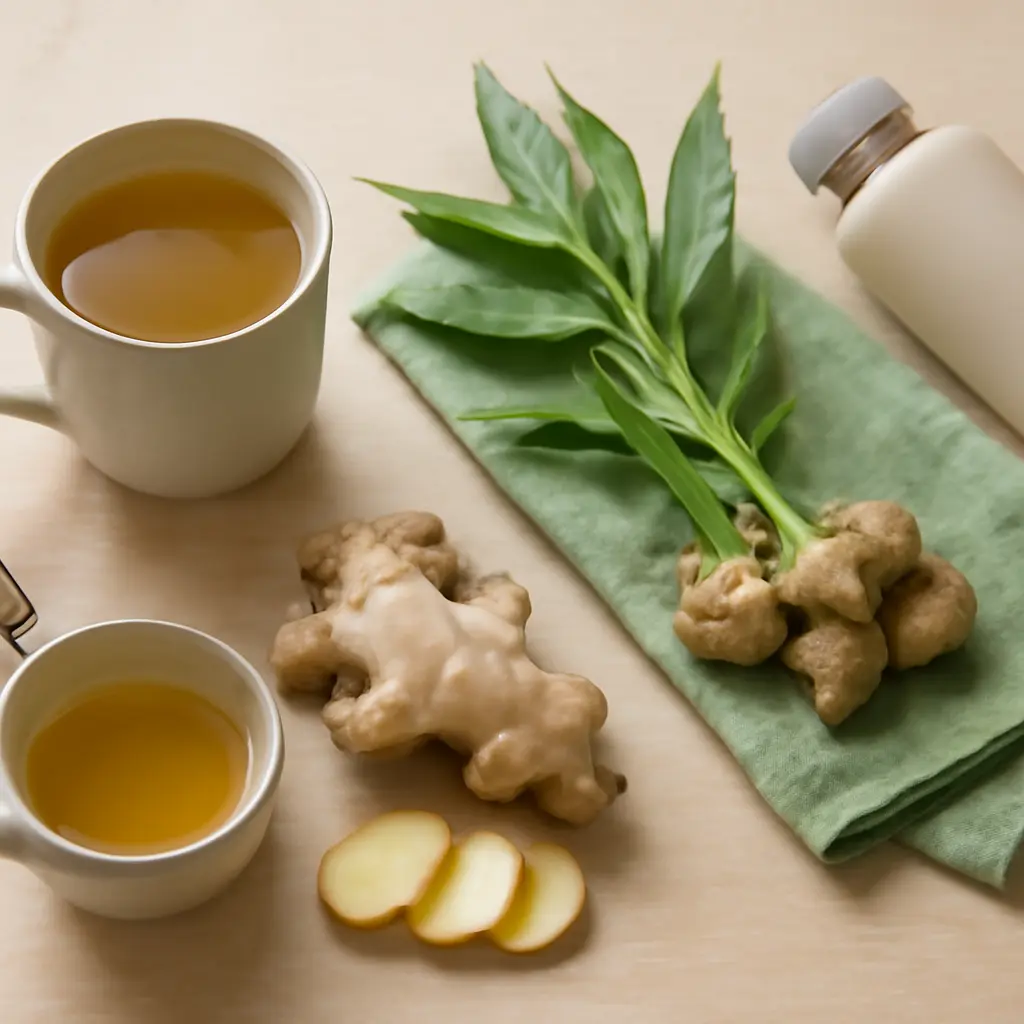
Ginger plants can grow up to three feet tall, producing narrow, lance-shaped leaves and cone-like flower clusters with a green to yellow hue accented by purple spots. The rhizome itself is bulbous and branching, covered by a thin, brownish skin that thickens as it ages. The interior is pale yellow, sometimes with a hint of green or pink.Ginger thrives in warm, humid climates, and today it is cultivated worldwide, especially in countries like India, China, Nigeria, Indonesia, Thailand, and Jamaica. The plant requires about 8 to 10 months to reach maturity, after which the rhizomes are harvested. Their maturity affects the intensity of ginger’s flavor and aroma.
Culinary and Therapeutic Applications of Ginger
Ginger’s versatility is evident in its wide range of culinary and therapeutic uses. In cooking, it is utilized fresh, dried, powdered, pickled, candied, or as a paste and extract. In Asian cuisine, ginger is a staple for flavoring meat, fish, and vegetable dishes. In Western cuisines, it is often found in baked goods like gingerbread, spiced cakes, and cookies, as well as in warming beverages such as mulled wine.Beyond its culinary uses, ginger is integral to traditional medicine systems such as Ayurveda and Traditional Chinese Medicine (TCM). It’s employed for its potential to alleviate digestive discomfort and nausea, including morning sickness in pregnant women and chemotherapy-induced nausea in cancer patients.
Health Benefits and Scientific Insights
Research has provided insights into ginger’s broad spectrum of health benefits. Some notable areas of study include:
Blood Pressure and Blood Sugar Management
Ginger supplementation has been associated with lowering blood pressure, particularly in individuals under 50 years of age consuming at least 3 grams daily. For people with type 2 diabetes, studies have noted reductions in fasting blood glucose levels, glycosylated hemoglobin (HbA1c), and improvements in blood pressure.
Weight Management and Metabolic Health
In overweight or obese individuals, ginger has been linked to weight loss, improved waist-to-hip ratios, and enhanced insulin sensitivity. It may also contribute to higher levels of high-density lipoprotein (HDL) cholesterol, which is beneficial for cardiovascular health.
Anti-Inflammatory and Antioxidant Properties
Ginger’s role in reducing inflammatory markers like C-reactive protein (CRP), tumor necrosis factor-alpha (TNF-α), and interleukin-6 (IL-6) has been documented, suggesting its potential to support cellular and tissue health. Additionally, ginger enhances the activity of antioxidant enzymes such as glutathione peroxidase (GPx), providing further protection against oxidative stress.
Liver Health and Rheumatic Conditions
For individuals with non-alcoholic fatty liver disease (NAFLD), ginger has been linked to decreased levels of alanine aminotransferase (ALT) and improved insulin resistance. In rheumatic diseases, ginger may help reduce pain and inflammatory markers.
Daily Use and Lifestyle Applications
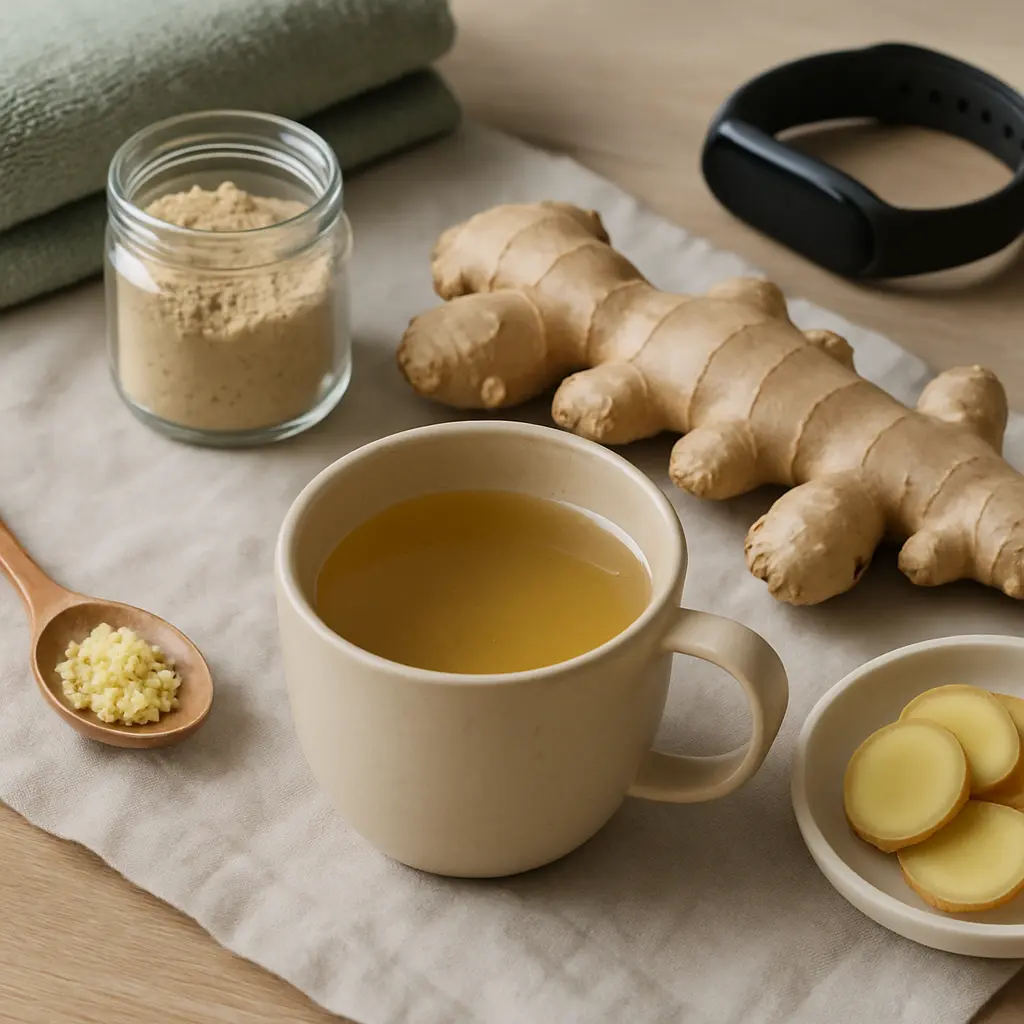
Incorporating ginger into a daily routine can be straightforward and enjoyable. Fresh ginger can be sliced or grated into stir-fries, soups, and smoothies for a zesty kick. Ginger tea, made by steeping fresh or dried ginger in hot water, offers a soothing beverage option. Additionally, ginger supplements are available in capsule or tablet form, often standardized to contain a specific percentage of gingerol compounds for consistent efficacy.For those interested in exploring ginger’s weight management benefits, incorporating it into meals and beverages may enhance feelings of satiety and support metabolic health. However, it is important to note that while ginger can complement a healthy lifestyle, it should not replace medical treatments or a balanced diet.
Balanced Perspective and Safety
While ginger is generally safe for most people when consumed in moderation, it is essential to consider potential interactions and side effects. High doses may cause mild gastrointestinal discomfort in some individuals. Additionally, ginger may interact with certain medications, such as blood thinners, due to its natural blood-thinning properties.Pregnant women, individuals with gallstones, or those on medication should consult with a healthcare provider before significantly increasing ginger intake. As with any supplement, it is crucial to source ginger products from reputable manufacturers to ensure quality and safety.In summary, ginger offers a myriad of health benefits supported by scientific research. Its diverse applications in cuisine and medicine make it a valuable addition to a healthy lifestyle. By understanding its properties and potential effects, individuals can make informed choices about incorporating ginger into their daily lives for enhanced wellness.


