

The Multifaceted Benefits of Silymarin: A Comprehensive Overview
In this page
Silymarin, an intricate complex of bioactive compounds derived from the milk thistle plant, has been known since ancient times. This article delves into the chemical makeup of silymarin, its extraction process, and its myriad health benefits. From liver protection to potential roles in addressing diabetes, obesity, and neurodegenerative diseases, silymarin offers a promising array of applications grounded in scientific investigations. Join us as we explore this fascinating compound and its potential to enhance health and wellbeing.

Scientific Background and General Context
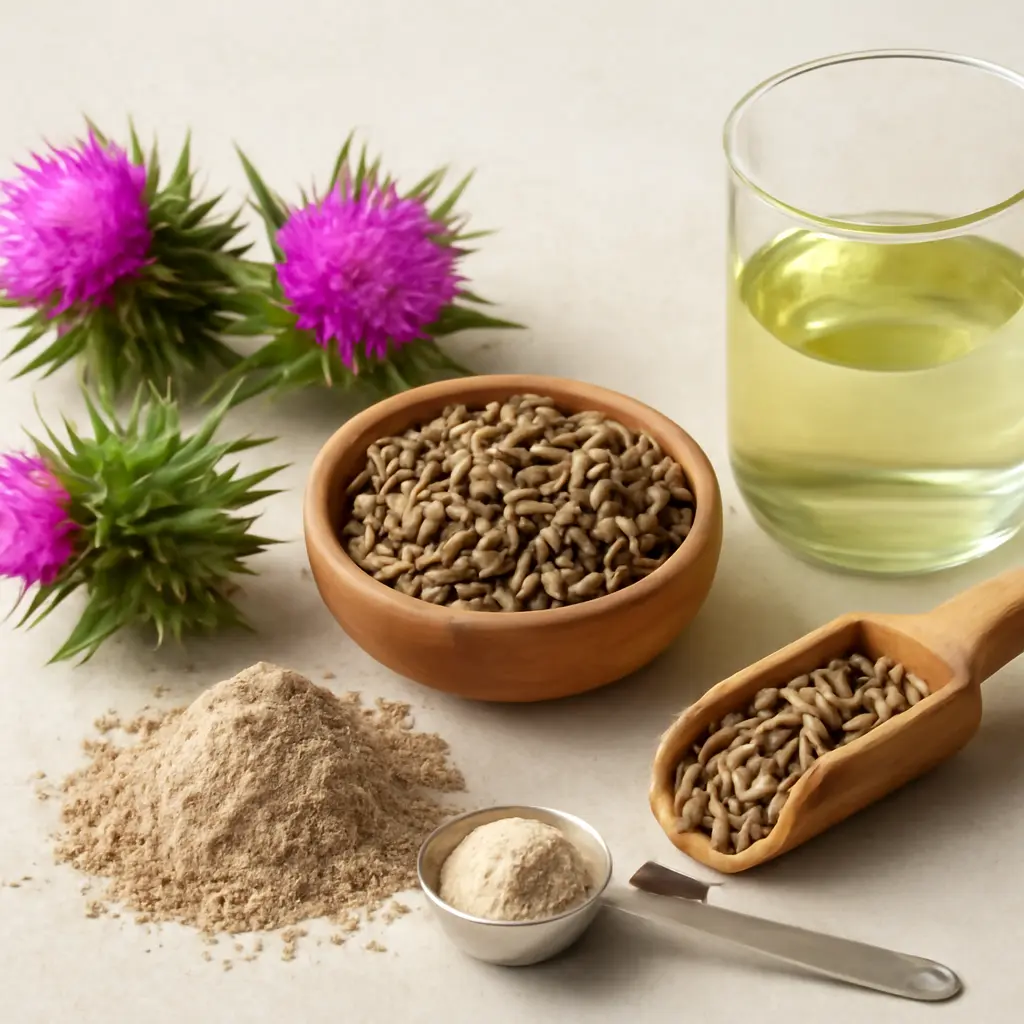
Silymarin is not a single chemical entity but a complex mixture primarily composed of flavonolignans, such as silybin, isosilybin, silychristin, and silydianin. These compounds are extracted from the seeds and fruits of the milk thistle plant (Silybum marianum), which has been utilized in herbal medicine since the time of Theophrastus in the 3rd century B.C. The plant is renowned for its historical use in treating liver disorders, and modern science has begun to substantiate many of these traditional claims through rigorous studies.Flavonolignans like silybin, which constitutes approximately 50–70% of silymarin, have demonstrated significant antioxidant and anti-inflammatory properties. These attributes contribute to its therapeutic potential, with studies suggesting its effectiveness in protecting liver cells from toxins and stressors. Furthermore, minor constituents, including fatty acids, vitamins, and plant sterols, complement the health-promoting effects of the primary flavonolignans.
How Silymarin is Extracted
The extraction of silymarin involves a complex, multi-step process. Initially, the seeds of the milk thistle are defatted, which helps to concentrate the active compounds. This is often followed by a prolonged extraction using organic solvents or, alternatively, a pressure-based extraction in a high-temperature liquid medium. These methods ensure that a potent extract rich in active ingredients is obtained, suitable for various therapeutic applications.
Bioavailability Challenges
One of the significant challenges with silymarin is its limited water solubility, which results in relatively low bioavailability when consumed orally. Studies suggest that only 20–50% of ingested silymarin finds its way into systemic circulation, primarily due to poor absorption in the gastrointestinal tract. However, the bioavailability can be significantly enhanced when silymarin forms micelles in the presence of dietary fats. Therefore, consuming silymarin with a meal rich in fats could optimize its absorption, making it more effective.
Liver Protection and Beyond
Traditionally, silymarin’s most acclaimed benefit is its role as a hepatoprotective agent. Clinical trials and meta-analyses have highlighted its efficacy in managing liver conditions like alcohol-related liver disease, non-alcoholic fatty liver disease, cirrhosis, and hepatitis. Silymarin helps modulate liver metabolism, mitigate liver damage, and improve liver function, thus offering a promising therapeutic option for liver-related ailments.Besides liver protection, research has uncovered silymarin’s broader health benefits. It exhibits antimicrobial, anticancer, cardiovascular, and skin-protective properties. Its ability to cross the blood-brain barrier opens avenues for neuroprotective applications, making it a potential candidate for addressing neurological disorders.
Applications in Dermatology and Acne Management
Silymarin’s antioxidant properties extend to skincare, particularly in managing acne. A study involving individuals with acne demonstrated that silymarin supplementation led to a substantial reduction in skin lesions. By reducing oxidative stress and inflammation, silymarin offers a natural alternative for those seeking non-pharmacological intervention in acne management.
Role in Neurodegenerative Disease Prevention
Emerging evidence suggests that silymarin can traverse the blood-brain barrier, making it a promising candidate for neuroprotective therapies. Studies propose its use in combating neurodegenerative diseases such as Alzheimer’s and Parkinson’s. Silymarin’s antioxidant and anti-inflammatory effects may help prevent neuronal cell death, reduce oxidative stress, and alleviate neuroinflammation.
Impact on Diabetes Management
In diabetes research, silymarin has shown potential in improving glucose metabolism and insulin sensitivity. Clinical trials involving diabetic patients with liver cirrhosis reported improvements in fasting glucose levels, daily glucose concentrations, and glycated hemoglobin levels when silymarin was administered alongside standard treatment. These findings point to silymarin’s promising role in managing diabetes and enhancing insulin receptor sensitivity.
Cancer Research and Therapy
Silymarin’s anticancer potential has been the subject of extensive research. It has demonstrated the ability to modulate cell cycle regulation, inhibit tumor growth and metastasis, and promote apoptosis in cancer cells. Additionally, silymarin can enhance the body’s immune response against tumors and mitigate the adverse effects of chemotherapy, making it a valuable adjunct in cancer therapy.
Gut Microbiota and Prebiotic Potential
Silymarin’s metabolites interact with gut microbiota, acting as prebiotics to stimulate the growth of beneficial bacteria. This interaction can enhance gut health and contribute to improved metabolism, particularly in combating obesity. Its antibacterial and antifungal properties further support a balanced gut environment, promoting overall gastrointestinal health.
Weight Management and Obesity
Obesity is a global health concern linked to numerous metabolic disorders. Silymarin appears to positively influence insulin signaling and lipid metabolism, contributing to its potential anti-obesity effects. By modulating gut microbiota composition, silymarin may also play a role in obesity prevention, offering a natural strategy for weight management.
Benefits for Physical Performance and Muscle Health
Though research primarily involves animal models, silymarin has shown promising results in enhancing muscle regeneration and hypertrophy. Studies on rodents revealed increased muscle mass and improved muscle function with silymarin supplementation, suggesting its potential as an anabolic agent to support physical fitness and muscle health.
Balanced Perspective and Safety
While silymarin holds significant promise across various health domains, it’s essential to approach its use with a balanced perspective. Like any supplement, it should be integrated into a comprehensive health plan under medical guidance, especially for individuals with existing liver conditions or those on medications. The safety profile of silymarin is generally favorable, but potential interactions or side effects should be considered.
Conclusion: The Multipotent Silymarin
Silymarin’s multipotent nature makes it a compelling candidate for addressing a wide range of health issues. Its diverse actions, from liver protection to potential roles in managing diabetes and neurodegenerative diseases, underscore its therapeutic versatility. As research advances, silymarin continues to offer promising insights into natural health solutions, making it a valuable addition to the array of nutritional supplements available today.


