
The Importance of Glute Training for Everyone
In this page
Glute training is often overlooked or considered optional in fitness routines, but it should be an essential aspect of everyone’s workout plan. Beyond aesthetics, strong glute muscles play a crucial role in stabilizing the hips, maintaining proper posture, and enhancing your ability to perform various movements such as running, jumping, and lifting. This article explores the anatomy and function of the glute muscles, the benefits of glute training, effective exercises, and how to incorporate them into your routine for optimal results.
Scientific Background and General Context
The gluteal muscles comprise three main muscles: the gluteus maximus, medius, and minimus. The gluteus maximus is the largest and strongest muscle in this group, primarily responsible for hip extension and pelvic stabilization. The gluteus medius and minimus, though smaller, are vital for hip abduction, rotation, and maintaining balance during walking.Strong glute muscles contribute significantly to overall body mechanics. Weak glutes can result in poor posture, back pain, and an increased risk of injury. Thus, training these muscles is not merely about appearance but an investment in your long-term health and physical performance.
The Functional Benefits of Glute Training
Regular glute training offers several functional benefits beyond improving your physique:1. **Improved Posture and Stability**: Strong glutes help stabilize the pelvis and maintain proper alignment of the spine, reducing the risk of postural imbalances and associated pain. 2. **Enhanced Athletic Performance**: The glutes are involved in explosive movements like sprinting and jumping. Strengthening these muscles can lead to improved performance in various sports and physical activities.3. **Injury Prevention**: By supporting the hips and lower back, strong glutes can help prevent common injuries, such as lower back pain and knee issues, by distributing load and force more efficiently throughout the body.4. **Increased Functional Strength**: Everyday activities such as climbing stairs, lifting objects, and bending down become easier with stronger glutes, enhancing your overall quality of life.
Effective Exercises for Glute Development
Selecting the right exercises is crucial for effective glute training. Here are some of the most beneficial exercises that target different parts of the glute muscles:
1. Hip Thrust
The hip thrust primarily targets the gluteus maximus, effectively building strength and muscle mass. To perform a hip thrust, position your upper back on a bench with your feet flat on the ground and a barbell resting on your hips. Drive your hips upward, squeezing your glutes at the top of the movement before lowering back down.
2. Bulgarian Split Squats
This unilateral exercise challenges balance and strength, engaging the glutes, quadriceps, and adductor muscles. Stand with one foot elevated behind you on a bench, and the other planted in front. Lower your body into a lunge, focusing on activating the glutes by slightly leaning forward.
3. Stiff-Leg Deadlift
The stiff-leg deadlift targets the hamstrings and glutes while also strengthening the back extensors. Maintain straight legs and a neutral spine as you lower weights towards the floor, hinging at the hips.
4. Roman Chair Back Extension
This exercise primarily strengthens the lower back but also activates the glutes. With your hips positioned on a roman chair, extend your upper body until it’s in line with your legs, emphasizing glute contraction to aid the movement.
5. Glute Kickback
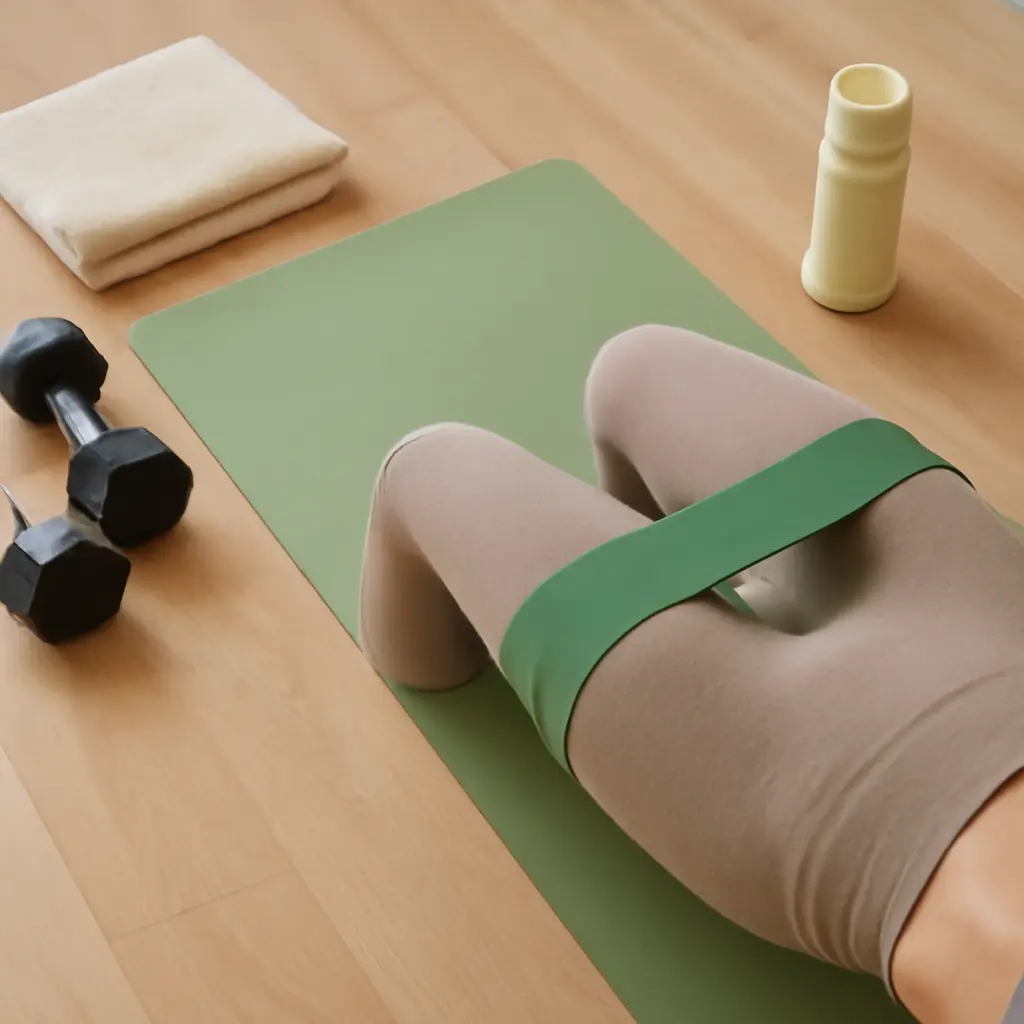
Glute kickbacks isolate the glute muscles by extending a leg backward from a kneeling position. You can add resistance bands for increased intensity, focusing on maintaining stability and control throughout the movement.
Daily Use and Lifestyle Applications
Incorporating glute exercises into your regular fitness routine is essential, but it’s equally important to integrate these movements into your daily life:- **Active Sitting**: Opt for a stability ball or a standing desk to engage your core and glutes throughout the day.- **Regular Breaks**: Take breaks from prolonged sitting to perform short sets of glute exercises, such as bodyweight squats or lunges, to keep these muscles active.- **Functional Movements**: Include stairs and walking into your daily commute to naturally activate and strengthen your glutes.
Balanced Perspective and Safety
While training the glutes is important, maintaining a balanced workout regimen is crucial for overall health and fitness. Here are some considerations:- **Frequency and Recovery**: Aim to train your glutes 2-3 times per week, allowing sufficient recovery time between sessions for optimal muscle growth and repair.- **Progressive Overload**: Gradually increase the resistance or intensity of your exercises to continue challenging your muscles and promote growth.- **Smart Programming**: Incorporate a variety of exercises to target all parts of the glute muscles while avoiding overtraining. Balance glute workouts with other body parts to maintain overall symmetry and strength.
Glute Training and Nutrition
Nutrition plays a vital role in muscle development and recovery. Follow these guidelines to support your glute training efforts:- **Protein Intake**: Consume adequate protein to facilitate muscle repair and growth. Sources include lean meats, dairy products, legumes, and plant-based options like tofu and quinoa.- **Balanced Diet**: Ensure a balanced intake of complex carbohydrates, healthy fats, and micronutrients to provide energy and support metabolic functions.- **Hydration**: Stay hydrated to optimize performance and recovery, particularly when engaging in vigorous exercise.In conclusion, glute training should be a cornerstone of any fitness routine. By understanding the anatomy and function of the glutes, selecting effective exercises, and integrating them into your lifestyle, you can enjoy enhanced physical performance and improved health. Consistent effort, coupled with proper nutrition and balanced programming, will yield satisfying and sustainable results.


