
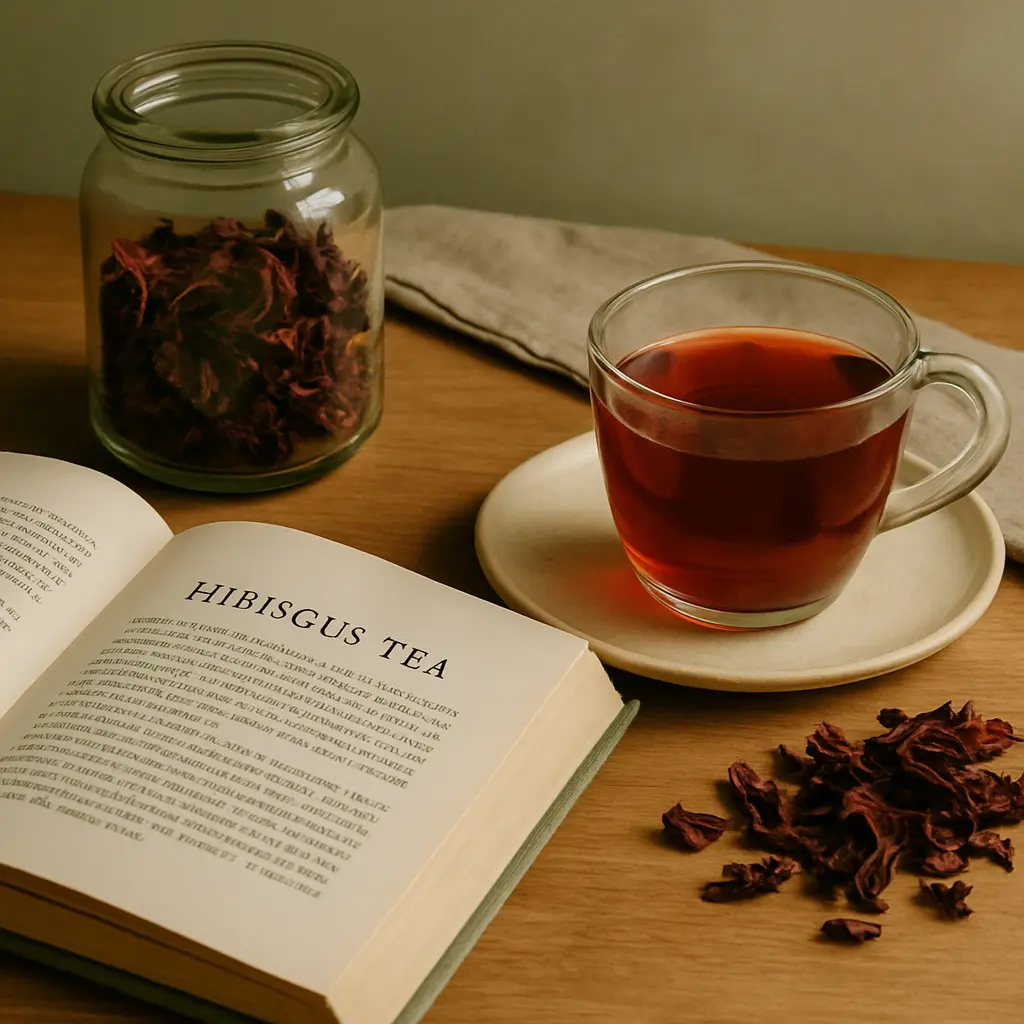
The Health Benefits and Uses of Hibiscus Tea: A Comprehensive Guide
In this page
Hibiscus sabdariffa, widely known as hibiscus, is a plant celebrated not only for its vibrant color but also for its potential health benefits. An integral part of various cultural traditions, hibiscus is often consumed as a refreshing tea. This guide provides an in-depth look at the scientific background, health benefits, and practical uses of hibiscus, along with safety considerations.

Scientific Background and General Context
Hibiscus sabdariffa, a member of the Malvaceae family, is an herbaceous plant or shrub that thrives in tropical and subtropical climates. It’s distinctive for its lush appearance and intense red hue. The plant typically grows to between 5 and 8 feet tall, with a branched stem covered in small hairs and leaves that are palm-shaped and deeply lobed.The flowers of the hibiscus plant are notably large and have five petals that range in color from yellow to cream, featuring a striking dark red center. Once these flowers bloom, they transform into fleshy, thick sepals, which are harvested to make tea and other culinary products. These sepals are rich in anthocyanins, the pigments responsible for the plant’s deep red color and antioxidant properties.Hibiscus is indigenous to regions such as North Africa and Sub-Saharan Africa, Southeast Asia, India, Central and South America, and is widely cultivated in countries like Sudan, Egypt, Mexico, Thailand, and India. Its ease of cultivation and minimal growth requirements have made it a staple in both industrial agriculture and tropical gardening.
Taste Profile and Culinary Uses
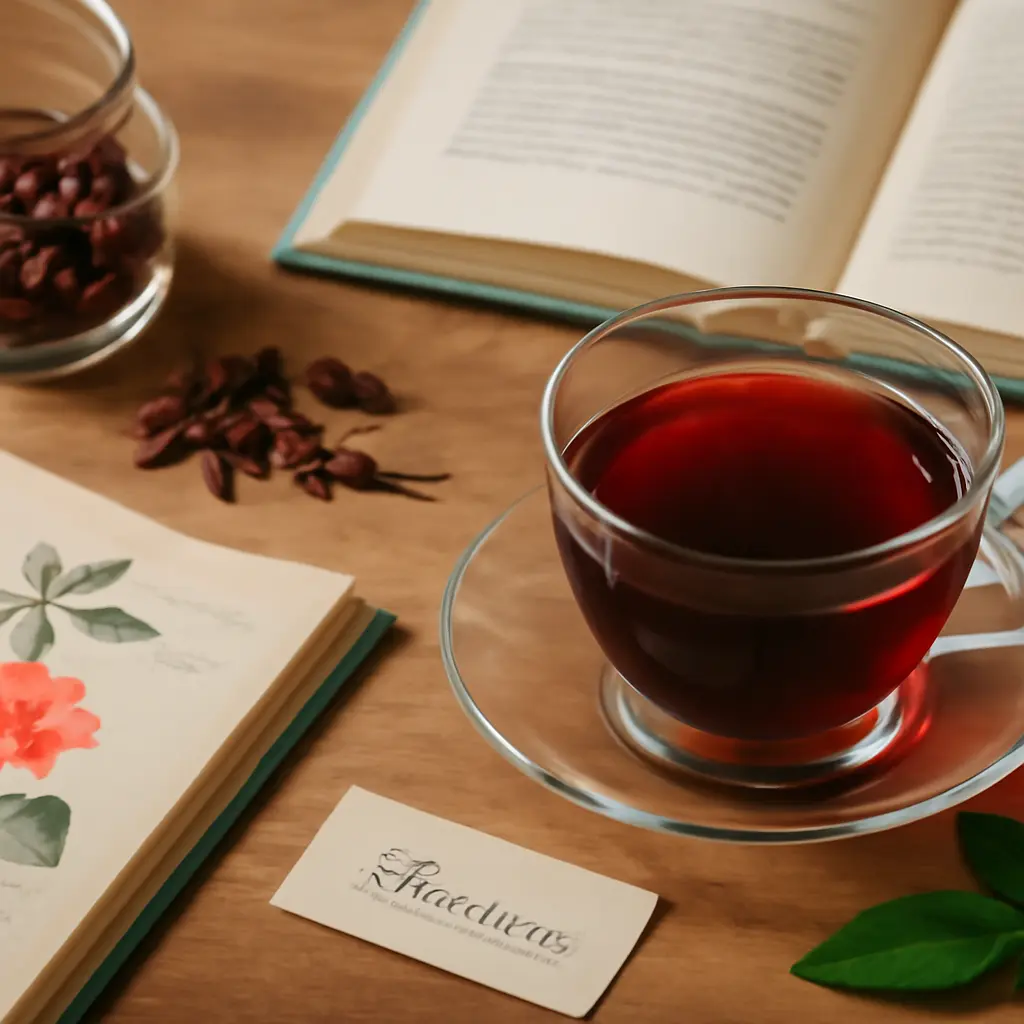
Hibiscus tea, made from the dried sepals of the hibiscus flower, is known for its tart and tangy flavor, often compared to cranberries or red currants. This distinct taste is primarily due to the presence of organic acids, including citric, malic, and tartaric acids, which lend a refreshing character to the tea.The intense flavor of hibiscus pairs well with a variety of ingredients, making it a popular choice in tea blends, both herbal and fruity. It is frequently combined with dried fruits, citrus peels, mint, cinnamon, ginger, or lemongrass to enhance its natural tartness and create a complex, spiced, and fruity aroma.Hibiscus is not limited to teas; it serves as a natural food coloring and is used in jams, jellies, ice creams, baked goods, and dairy desserts due to its deep red-purple hue.
Health Benefits of Hibiscus Tea
Research into hibiscus tea has revealed a range of potential health benefits, although it’s important to note that most studies are preliminary and often involve modest sample sizes and short durations.
Effect on Blood Pressure
Several clinical trials have examined the effects of hibiscus on blood pressure, particularly in individuals with mild to moderate hypertension. A review of 13 studies involving 1205 patients found that hibiscus significantly lowered both systolic and diastolic blood pressure. However, it was less effective in patients with hypertension combined with metabolic syndrome and did not outperform pharmaceutical antihypertensive drugs.
Impact on Cholesterol and Blood Sugar Levels
Hibiscus has also been studied for its effects on cholesterol and blood sugar. A meta-analysis of data from studies involving people with impaired carbohydrate metabolism indicated a statistically significant reduction in fasting blood glucose and LDL cholesterol levels, though no significant changes were noted in total cholesterol, HDL cholesterol, or triglycerides. These findings suggest a selective but potentially beneficial impact of hibiscus on certain metabolic parameters in individuals with diabetes or prediabetes.
Weight Management and Metabolic Health
A review of six randomized, placebo-controlled trials involving 339 overweight or obese individuals showed no significant effect of hibiscus on weight reduction, BMI, waist circumference, or waist-to-hip ratio. However, the lack of adverse effects reported suggests that hibiscus is generally safe for consumption.
Daily Use and Lifestyle Applications
Incorporating hibiscus into your daily routine can be both enjoyable and beneficial. Hibiscus tea can be consumed hot or cold, often sweetened with honey or sugar, or flavored with lime juice or mint. Known as karkade in Egypt and Sudan or agua de Jamaica in Mexico, this beverage is a traditional choice for festive occasions, symbolizing joy and prosperity.Hibiscus can also enhance your culinary creations. Its intense color makes it a natural choice for food coloring, while its tartness can add depth to desserts, including sorbets and ice creams.
Balanced Perspective and Safety
While hibiscus tea shows promise in certain health aspects, it is important to approach its consumption with a balanced perspective. The existing evidence is limited by small sample sizes and short study durations, and further research is necessary to confirm its efficacy and safety.For most people, hibiscus tea is generally safe when consumed in moderate amounts. However, individuals with certain health conditions or those taking specific medications should consult with a healthcare provider before adding hibiscus to their diet. This is especially relevant for people with low blood pressure or those on antihypertensive medications, as hibiscus may amplify the effects of these drugs.In conclusion, hibiscus offers a range of potential health benefits, supported by its antioxidant properties and bioactive compounds. With its appealing flavor and vibrant color, hibiscus tea is a delightful addition to a healthy lifestyle. As with any supplement, balance and moderation are key to maximizing its benefits.




