The Health Benefits and Applications of Turmeric
In this page
Turmeric, a vibrant yellow spice commonly used in Southeast Asian cuisine, has gained popularity not only for its flavor but also for its potential health benefits. Derived from the Curcuma longa plant, turmeric contains an active compound called curcumin, which is believed to offer a range of health-promoting properties. In this article, we will explore the scientific background of turmeric, its applications in daily life, recommended usage, and how to incorporate it into a balanced lifestyle.

Scientific Background and General Context
Turmeric has been used in traditional medicine systems, such as Ayurveda and Traditional Chinese Medicine, for centuries. Its active ingredient, curcumin, is the focus of extensive scientific research due to its potential anti-inflammatory, antioxidant, and antimicrobial effects. Over 3,000 studies published by the National Center for Biotechnology Information (NCBI) have examined turmeric’s pharmacological properties, making it one of the most researched spices in the world.
Curcumin’s chemical structure allows it to interact with various molecular targets in the body. For instance, it can inhibit certain enzymes and transcription factors involved in the inflammatory process. This ability has led researchers to investigate curcumin’s potential role in managing chronic inflammatory conditions such as arthritis and metabolic syndrome.
Moreover, curcumin’s antioxidant properties are believed to help neutralize free radicals, reducing oxidative stress and possibly lowering the risk of chronic diseases like cardiovascular disease and certain cancers. However, it is important to note that while laboratory and animal studies show promise, human studies are still ongoing to confirm these effects conclusively.

Daily Use and Lifestyle Applications
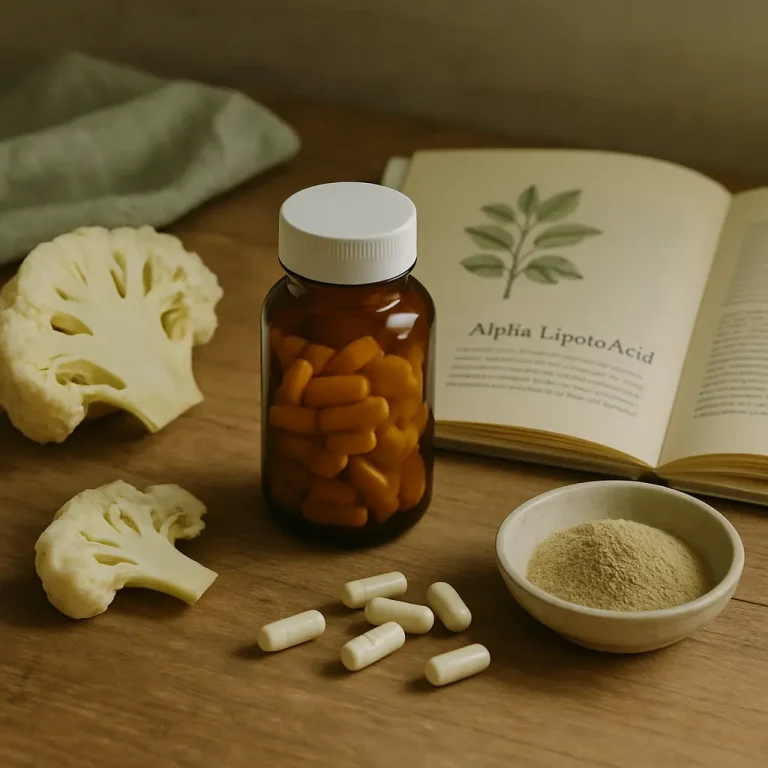
Turmeric is most commonly used in its powdered form as a spice in culinary dishes, particularly in Indian and Southeast Asian cuisine. Its warm, slightly spicy flavor complements a variety of dishes, from curries to roasted meats and fish. Beyond its culinary use, turmeric can be consumed as a dietary supplement, often in the form of capsules or tablets.
Incorporating turmeric into your daily diet is relatively simple. You can add it to soups, stews, or smoothies for an added health boost. Some people enjoy turmeric tea, also known as “golden milk,” which combines turmeric with milk and other spices like cinnamon and ginger.
When consuming turmeric in supplement form, it is crucial to consider the quality and source of the product. Many supplements include additional ingredients, such as black pepper extract (piperine), to enhance curcumin absorption. This is vital as curcumin has low bioavailability on its own, meaning the body absorbs only a small amount without assistance.
Dosing Guidelines and Considerations
When introducing turmeric into your supplementation regimen, it is essential to adhere to dosing guidelines. The appropriate dose can vary depending on the form of turmeric and the individual’s health status. Generally, a safe and effective dose of curcumin ranges from 500 to 2,000 mg per day, split into several doses. It is recommended to consume turmeric with meals containing fats, as this increases curcumin’s absorption.
It is always advisable to consult a healthcare professional before starting any new supplement, especially for individuals with pre-existing health conditions or those taking medication, as turmeric can interact with certain drugs, including blood thinners and diabetes medications.
Balanced Perspective and Safety
While turmeric is not a cure-all, it can be a beneficial addition to a healthy diet and lifestyle. It is important to maintain realistic expectations and understand that supplements should complement, not replace, a balanced diet and regular physical activity.
The use of turmeric is generally considered safe for most people. However, consuming large amounts can lead to digestive issues, such as nausea or diarrhea. Additionally, individuals with gallbladder problems or those prone to kidney stones should use caution, as turmeric can exacerbate these conditions.
Selecting high-quality supplements from reputable manufacturers is vital to ensure safety and efficacy. Look for products that provide third-party testing and transparency about their ingredients and sourcing.
Conclusion
The scientific interest in turmeric continues to grow, reflecting its potential role in promoting health and well-being. While research is ongoing, incorporating turmeric into your diet can offer a flavorful and potentially beneficial addition to your health regimen. By choosing high-quality supplements and using turmeric wisely, you can safely enjoy its benefits as part of a holistic approach to maintaining optimal health.